Paperwork & admin
Getting Married in Belgium
Asha MenonCommunity desk · Brussels
Moving & living guide · Belgium
Belgium has a fast-growing Indian and South Asian community — 38,159 overseas Indians by India’s own count in January 2026 and 20,141 Indian nationals in Statbel’s — concentrated in Brussels and its periphery, Antwerp, Leuven and Ghent. This guide sets out the sequence of moving from India, what changes between Flanders, Brussels and Wallonia, the national rules on permits, work, study, health, money, transport and citizenship, and where the temples, gurdwaras, grocers, associations and festivals are — with the Nepali, Sri Lankan, Pakistani and Bangladeshi communities included.
Belgium is a small, dense, federal country of 11.87 million people (1 January 2026) wedged between France, the Netherlands, Germany and Luxembourg, with the capital of the European Union in the middle of it. It runs in three languages — Dutch in Flanders to the north, French in Wallonia to the south, both in Brussels, and German in a small strip in the east — and almost every rule that touches a newcomer's life is set by one of those three regions rather than by the country: who may work, how a lease works, what the integration course costs, which language your child is taught in.
The Indian community here is young and growing quickly. India's Ministry of External Affairs counts 38,159 overseas Indians in Belgium as of January 2026 (18,958 Indian citizens and 19,201 people of Indian origin). Statbel, the national statistics office, counted 20,141 Indian nationals on 1 January 2024, up from 14,683 in 2019, and in 2024 India entered the top ten source countries for immigration to Belgium for the first time, with roughly 4,800 new registrations in one year — mostly IT specialists and their families, and students. The community is concentrated in four places: the Brussels Region and its Flemish periphery (IT services, the EU, NATO), Antwerp (the diamond trade, and the Jain and Gujarati community that runs much of it), Leuven (KU Leuven and imec) and Ghent (Ghent University and the biotech cluster), with an older Punjabi Sikh community around the fruit farms of Sint-Truiden in Limburg.
| Essential | What / where |
|---|---|
| Population and languages | 11.87 million; Dutch (Flanders), French (Wallonia), both (Brussels), German (east) |
| Indians | 20,141 Indian nationals (Statbel, 1 Jan 2024); 38,159 overseas Indians (MEA, Jan 2026) |
| Where they live | Brussels and its periphery · Antwerp · Leuven · Ghent · Sint-Truiden and Limburg |
| Work permit | The single permit, filed by the employer with the Region; four-month legal deadline |
| Highly-qualified salary floor, 2026 | Brussels €44,441 · Flanders €48,912 · Wallonia €53,220 a year (gross) |
| Embassy of India | Chaussée de Vleurgat 215–217, 1050 Brussels; visas via VFS Global in Schaerbeek |
| Temples and gurdwaras | Brussels Mandir, Ram Mandir Etterbeek, BAPS and the Jain temple in Antwerp, Radhadesh in the Ardennes; gurdwaras in Sint-Truiden, Deurne (Antwerp), Ghent, Borgloon, Alken and Liège (Vilvoorde's is closed) |
| The big festival | Brussels Diwali Festival, Atomium, 24–25 October 2026 |
| Minimum wage (1 Aug 2026) | €2,233.61 gross a month |
| Average rent, apartments (H1 2026) | Flanders €943 · Brussels €1,401 · Leuven €1,132 · Antwerp €1,009 |
This is the country guide. It explains the sequence of moving from India, the differences between the three regions, and the national rules on permits, work, study, health, money, transport and citizenship — and it points to the city guides for Brussels, Ghent and Leuven, where the street-level detail lives. Every figure carries its year; where Brussels, Flanders and Wallonia differ, all three are given.
Belgium is small enough that a Brussels job and an Antwerp flat are a normal combination, and the train timetable is part of every housing decision. The cities below are where the community actually is; rents are the CIB–Korfine barometer's average for an apartment in the first half of 2026 unless stated.
| City | Region | Who is there and why | Rent (apartment, H1 2026) | Train to Brussels-Central |
|---|---|---|---|---|
| Brussels (19 communes) | Brussels-Capital | The largest community: IT services in Zaventem and Evere, the EU quarter, NATO; about 7,000 Indian nationals (2022); most temples, grocers and associations | €1,401 all types, median €1,250 | — |
| Antwerp | Flanders | The diamond district and the Gujarati Jain and Hindu families who run much of it; the port and chemicals; the Jain temple in Wilrijk, the BAPS mandir, the Antwerp Indian Association (since 1979) | €1,009 | about 40–50 minutes |
| Leuven | Flanders | KU Leuven's 400–500 Indian students a year — the largest Indian student community in the country — plus imec and the research park; ISAL since 1972 | €1,132 (Flanders' most expensive city) | about 25 minutes |
| Ghent | Flanders | Ghent University (around 200 Indian students, mostly engineering and bioscience), the biotech park at Zwijnaarde, the port and Volvo; a gurdwara in the centre | €972 (2025) | about 35 minutes |
| Mechelen | Flanders | Families who want a house between Brussels and Antwerp; a cricket club; Dutch-language schools | €1,000 | about 20 minutes |
| Zaventem, Kraainem, Tervuren, Vilvoorde | Flanders (Brussels periphery) | The airport belt where TCS, HCLTech, Cisco and the Big Four have offices; the British School in Tervuren; the Vilvoorde gurdwara (closed since 2025) | Vlaams-Brabant is the dearest Flemish province | 10–20 minutes |
| Sint-Truiden, Hasselt, Genk | Flanders (Limburg) | The Punjabi Sikh community, first drawn by fruit-farm work; Belgium's largest gurdwara (since 1993) and its nagar kirtan | Hasselt/Genk €900+ | about 70 minutes |
| Liège, Louvain-la-Neuve, Wallonia | Wallonia | UCLouvain's campus at Louvain-la-Neuve, the University of Liège, a Sikh community and gurdwara in Liège; cheaper housing, French-speaking | not in the Flemish barometer | about 60 minutes |
Three questions settle it for most families. Which language do you want to live in? Flanders is Dutch, and its schools, town halls and integration course are Dutch; Wallonia is French; Brussels is officially both and in practice French with a great deal of English. Which Region will your employer file in? That fixes your salary threshold and your integration obligations — a Zaventem office is Flemish even if you sleep in Evere. Do you need to be near the community or near the job? The temples, grocers, associations and the embassy are in and around Brussels and Antwerp; Leuven and Ghent have the students and the universities; a Walloon address is quieter and cheaper but further from all of it.
Read the city guides for the street-level version: Indians in Brussels, Indians in Ghent, Indians in Leuven. Antwerp and Mechelen are next.
The order is fixed by the law, and doing it in the wrong order costs months. This is the path for the most common case, an employee recruited by a Belgian company; students and family members branch off where noted.
Belgium runs on 230 V with type E sockets (Indian type C plugs fit; type D and M do not). Bring three months of any prescription medicine with the prescription and a doctor's letter in English; most over-the-counter Indian medicines are pharmacy-only or prescription-only here, and paracetamol is sold only in pharmacies. Bring a winter coat, not a jacket: the Uccle climate station's January mean is about 3.5 °C and it rains on eleven to thirteen days of every month of the year. Carry a debit card that works abroad and a little cash; Belgium is a card country (Bancontact) and cash is rarely needed but occasionally required. Tap water is drinkable everywhere.
First-hand: Paperwork & admin in Belgium
Written by people who have just done it, under their own name.
Belgium's regions are not provinces with local colour; they are governments with their own laws on employment, housing, integration and education. A newcomer who learns which Region they are in — and it is the Region of the workplace for permits and the Region of the home for housing, integration and schools — avoids most of the surprises.
| Flanders | Brussels-Capital | Wallonia | |
|---|---|---|---|
| Language of the state | Dutch | French and Dutch | French (German in the east) |
| Highly qualified single permit, 2026 (gross/year) | €48,912 (€39,129.60 under 30, nurses, teachers) | €44,441.28 (€3,703.44/month; no under-30 rate) | €53,220 (€42,576 under 30) |
| EU Blue Card, 2026 | €63,586 (some sources €55,052 — confirm on the Flemish page) | €56,976 (€4,748/month) | €68,815 |
| Senior executive, 2026 | €78,259 | €79,766 (€6,647.20/month) | €88,790 |
| Employment service | VDAB (227 shortage occupations in 2026) | Actiris (103) | Le Forem (144) |
| Integration programme | Inburgering: compulsory for non-EU newcomers settling for good (family reunification, refugees, regularised); single-permit workers and students and their families are exempt but entitled to join; up to €180 for the social-orientation course and test and up to €180 for the Dutch course, retake €90 | Parcours d'accueil / inburgering: compulsory since June 2022 for 18–65-year-olds on a permit of more than three months and less than three years in Belgium; free; register within six months (BAPA or BON) | Parcours d'intégration: compulsory for newcomers; free; to be completed within three years, with fines from €50 rising to €2,500 for ignoring it |
| Rental deposit cap | 3 months' rent | 2 months | 2 months (blocked account) |
| Lease law | Vlaams Woninghuurdecreet (2019) | Brussels Housing Code | Walloon décret bail (2018) |
| Schools | Dutch-language; OKAN reception classes for newcomers aged 12–18 | Both networks side by side | French-language; DASPA reception classes |
| Energy grid | Fluvius | Sibelga | ORES / RESA |
The federal Immigration Office (Office des étrangers / Dienst Vreemdelingenzaken) decides who may live in Belgium; the Regions decide who may work. For most Indians the two are one file.
Mandatory since 2019 for any non-EU employee with a contract of more than 90 days. The employer files; the Region assesses the job and salary against its thresholds (table in the previous section); the Immigration Office assesses the person; the combined decision must come within four months of a complete file, and silence counts as approval. The permit is issued for the length of the contract, up to five years, and is tied to the employer that applied. If the Region withdraws the work authorisation — because the job ended — the residence right ends 90 days later unless the Immigration Office ends it sooner; that is the window to find a new sponsor, and you may not work in the meantime.
Belgium's Blue Card is a single permit with a higher salary floor (€56,976 in Brussels, €63,586 in Flanders, €68,815 in Wallonia for 2026), a higher-education diploma and a contract of at least six months. Its advantages are mobility within the EU after a period and a faster route to long-term-resident status; for a first job most employers still file the ordinary highly-qualified permit.
A D visa on an admission letter and proof of means, then an A card for the length of the course; up to 20 hours of work a week during term without a separate permit, and full-time in official holidays. After graduating, a 12-month search year permit lets you look for a job or start a business; when an employer hires you, the single permit follows, and an annexe 15 bridges the gap if the decision is pending.
A spouse and children under 18 can join a permit holder if the sponsor shows stable income of at least 110% of the guaranteed minimum wage (€2,456.97 net a month for a partner from 1 July 2026, plus 10% of the minimum wage per additional dependant), adequate housing and health cover; the arriving spouse must enrol in the integration programme. Sponsors admitted before 18 August 2025 keep the older 120%-of-integration-income test until August 2027. The federal fee is €218 per adult.
A non-EU national without an unlimited residence card needs a professional card from the Region to be self-employed; Brussels issues them for one to two years at a time at €90 a year on the basis of the project's usefulness to the Region, Flanders and Wallonia have their own procedures.
Five years of legal, uninterrupted residence opens the B card (unlimited stay, renewed every five years without conditions), the K card (establishment, ten years) or EU long-term resident status (€202 fee), each of which ends the employer link. Time on a student permit counts only in part; a specialised lawyer or the free advice of Myria will tell you how yours adds up.
Belgian nationality by declaration is possible after five years of legal residence with an unlimited residence right, one national language at A2, proof of social integration (a Belgian diploma, 400 hours of vocational training, the integration course plus the language, or five years of work) and 468 days of work in the five years. The registration fee rose from €150 to €1,000 in 2025 and is €1,030 in 2026; a law in force since 1 May 2026 lets nationality be revoked for serious crimes up to fifteen years after it was granted; and the governing coalition has announced a tightening of the five-year route (a longer wait, a higher language level, an income test) whose status you should confirm at the commune before counting on the current rules. India does not permit dual nationality: a Belgian passport means giving up the Indian one and taking an OCI card, which restores most of the practical rights except voting and government office.
The regional employment services (VDAB, Actiris, Le Forem) publish shortage lists each year — 227 occupations in Flanders, 144 in Wallonia and 103 in Brussels for 2026 — and a job on the list spares the employer the labour-market test.
Statbel's most recent detailed wage survey puts the average full-time gross salary at €4,076 a month and the median at €3,728, with Brussels 16% above the national average and the Leuven, Halle-Vilvoorde and Nivelles districts above €4,250. The guaranteed minimum wage is €2,233.61 gross a month from 1 August 2026. The catch is the tax wedge: a single worker on the average wage takes home about 60% of gross, the lowest share in the OECD, because 13.07% goes to social security before progressive income tax of 25–50% and a communal surcharge. The compensation is what social security buys — healthcare that costs a few euros a visit, generous leave, unemployment and pension rights — and the benefits packages Belgian employers build to soften the tax: a thirteenth month where the sector agreement provides one, double holiday pay, meal vouchers of up to €10 a day (2026), eco-cheques, group insurance, hospitalisation cover, and in many firms a company car or a mobility budget. Twenty days' leave and ten public holidays are the legal minimum.
Belgium and India have had a social security agreement in force since 2009. Its practical effects: an employee posted to Belgium by an Indian employer can stay in the Indian scheme (EPF) for up to 60 months with a certificate of coverage from the EPFO instead of paying Belgian contributions; periods of insurance in both countries are totalised to qualify for a pension; and a Belgian pension can be exported to India. If you are hired locally by a Belgian company you are simply in the Belgian scheme.
Most private employers never ask. For regulated professions, public jobs and further study, apply to the Community whose language your target uses: NARIC-Vlaanderen (€180) or the French Community's equivalence service (€400, reduced for nationals of countries on the OECD's development-assistance list).
First-hand: Work & study in Belgium
Written by people who have just done it, under their own name.
Asha MenonCommunity desk · Brussels

Asha MenonCommunity desk · Brussels
Asha MenonCommunity desk · Brussels
Belgium's universities are public, research-heavy and inexpensive by British or American standards, and English-taught master's programmes are the norm in Flanders. Indian students cluster at KU Leuven (400–500 a year; engineering, bioscience, statistics, business), Ghent University (around 200; engineering, bio-engineering, photonics, biotech), ULB and VUB in Brussels, UCLouvain at Louvain-la-Neuve, and the universities of Antwerp, Hasselt and Liège.
| University | Non-EEA master's tuition, 2026–27 (60 credits) | Notes |
|---|---|---|
| KU Leuven | about €9,494 for standard-fee programmes; some programmes higher | Fee = fixed part + per-credit part |
| Ghent University | €7,079.40 for the higher-fee faculties (sciences, engineering, bioscience engineering, medicine, economics); €2,297.40 for the lower tariff | EEA students pay €1,181.40 |
| ULB | about €5,369 (base fee plus the non-EU supplement) | Brussels, French-language, English master's |
| VUB | €4,800, €5,320 or €5,720 by programme (2026–27; €52 per credit plus a fixed part) | Brussels, Dutch-language university teaching largely in English |
| UCLouvain, UAntwerp, UHasselt, ULiège | check each fee page | Fees follow the same fixed-plus-per-credit logic |
The student visa requires proof of "sufficient means" of €1,062 a month for 2026–27, in practice a blocked account holding twelve months' worth (€12,744) opened through the university or an approved provider, a scholarship letter, or a Belgian guarantor. Scholarships worth knowing: the Flemish Master Mind grants (€10,225 a year plus a tuition waiver for outstanding master's candidates), faculty scholarships such as Science@Leuven, the French Community's ARES programme, and Erasmus Mundus joint master's. The VLIR-UOS development scholarships do not cover India.
Non-EEA students may work up to 20 hours a week during term without a separate permit (the right is noted on the residence card) and full-time in the official holidays. Student jobs are taxed lightly under the student-contract regime up to an annual hours cap; the university's job service and the student@work portal explain the limits. After graduation the 12-month search year (see the permits section) is the bridge into the single permit; the first Belgian employer files it.
Flemish universities start in the third week of September, the French-language ones a week earlier; exams are in January and June with resits in August and September. Register with the commune and a health fund in the first week — the university's international office will insist, and rightly.
First-hand: Work & study in Belgium
Written by people who have just done it, under their own name.
Asha MenonCommunity desk · Brussels
Asha MenonCommunity desk · Brussels
Asha MenonCommunity desk · Brussels
Belgium is a country of long leases, blocked deposits and tenant-friendly law — with three versions of that law since 2018, one per Region. What follows is the shape common to all three, with the differences marked; the city guides carry the street-level detail.
| City / area | Average apartment rent, H1 2026 (CIB–Korfine barometer) |
|---|---|
| Brussels-Capital Region | €1,401 all types; median €1,250 (Federia) |
| Leuven | €1,132 — the most expensive city in Flanders |
| Antwerp | €1,009 |
| Mechelen | €1,000 |
| Ghent | €972 (2025) |
| Hasselt and Genk | above €900 |
| Kortrijk | about €907 |
| Bruges | €872 |
| Roeselare | €742 |
| Flanders average | €943 apartments; rents up 2.3% year on year |
Vlaams-Brabant (Leuven and the Brussels periphery) is the dearest Flemish province, West Flanders the cheapest, and Wallonia cheaper still outside Walloon Brabant. Landlords in the cities report fifty to a hundred candidates for a listing, which is why a complete dossier and a fast reply matter more than a clever negotiation.
| Flanders | Brussels | Wallonia | |
|---|---|---|---|
| Deposit maximum | 3 months' rent | 2 months | 2 months |
| Where the deposit sits | Blocked account in the tenant's name | Blocked account; the regional Fonds du Logement can lend it or guarantee it | Blocked account |
| Help with the deposit | Interest-free loan from the Vlaams Woningfonds for lower incomes; the OCMW can advance it | Zero-interest loan or the BRU-GAL mutual guarantee | Regional guarantee schemes |
| Agency fees to the tenant | Not for a main-residence lease | Banned for all residential leases since June 2024 | Not for a main-residence lease |
| What a landlord may ask | Identity, means, household size; nationality and origin are protected | A closed legal list and a standard two-step form; income of about three times the rent may be required | Identity, means, household size |
Immoweb, Zimmo and Immovlan are the portals everywhere; Flemish cities add their own student-room platforms (Kotwijs in Leuven, Kot@Gent) and municipal rental agencies (Huuringent) that let at fair prices. Have ready before the first viewing: passport or annexe 15, employment contract, three pay slips or bank statements, and a short introduction of who you are. Belgian "unfurnished" often means no light fittings, curtains or appliances — ask. Utilities, internet and the regional taxes are on top of the rent.
First-hand: Housing in Belgium
Written by people who have just done it, under their own name.
Belgium is a mid-priced Western European country: cheaper than the Netherlands, Ireland, Switzerland and the Nordics, on a par with Germany and France, dearer than Spain, Portugal or Poland. Against India the numbers are stark, but so is the salary that comes with them.
| Comparison (Numbeo, September 2026) | Belgium versus India |
|---|---|
| Consumer prices excluding rent | about 282% higher in Belgium |
| Rent | about 504% higher |
| Groceries | about 217% higher |
| Restaurants | about 460% higher |
| Local purchasing power | about 68% higher in Belgium |
The last line is the one that matters: after rent, a Belgian salary buys more than an Indian one, and public services — healthcare, schools, transport, unemployment cover, pensions — are where the taxes go.
| Item (Belgium, 2026) | Typical price |
|---|---|
| One-bedroom flat, city centre | about €880 nationally; €969 in Leuven, €1,056 in Ghent, €1,209 in Brussels |
| Monthly public-transport pass | €49–56 in the cities; €499 a year for a De Lijn annual pass in Flanders (2026) |
| Inexpensive restaurant meal | €20 |
| Litre of milk · kilo of rice · loaf of bread | €1.15–1.25 · €2.10 · about €2.50 |
| Annual gas bill, average household (17,000 kWh) | €1,280 nationally, €1,355 in Brussels (CREG, Feb 2026) |
| Annual electricity bill, average household (3,500 kWh) | €1,324 (CREG, Feb 2026) |
| GP consultation | €33.74, of which the patient pays €4 with a global medical file |
| Health-fund complementary contribution | about €8.50–16 a month per person |
| International school | €15,000–50,000 a year; the public networks are free |
| Minimum wage (from 1 Aug 2026) | €2,233.61 gross a month |
A single professional in a one-bedroom flat outside the largest city centres spends roughly €1,900–2,300 a month all-in in 2026 (Ghent and Leuven at the lower end, Brussels at the upper); a family of four in a three-bedroom is around €5,000–6,000 before any international-school fees. Inflation was 4.0% in the year to August 2026, with the health index that governs rent and wage indexation forecast at 3.2% for the year — Belgian wages are indexed to it automatically in most sectors, which is unusual and worth knowing when comparing offers.
Belgian healthcare is compulsory-insurance based and mostly reimbursed, and the single most important thing a newcomer does in the first week is join a mutualité / ziekenfonds (health fund). Everyone who lives or works in Belgium must belong to one — or to the state fund CAAMI/HZIV, which charges nothing extra and offers nothing extra. The six national unions (Christian, Socialist, Liberal, Neutral, the Independent funds such as Partenamut and Helan, and CAAMI) pay identical statutory reimbursements; they compete on the complementary package of €8.50–16 a month per person that covers glasses, dental extras, travel cover and part of a hospital stay. Your employer's payroll office needs your fund and affiliation number before the first salary; students join through the university or any fund's office.
You pay the doctor, the fund reimburses most of it, and the difference is the co-payment. From 1 January 2026 an accredited GP charges €33.74, of which you pay €4 if you have a global medical file (DMG/GMD) with that GP and €6 if not — open it at the first visit, it costs nothing. Many practices bill the fund directly so you pay only the co-payment. No referral is needed to see a specialist. Prescription medicines are cheap under the tariff; over-the-counter medicines are sold only in pharmacies, and the duty pharmacy is listed at pharmacie.be / apotheek.be.
Every city has university-level care: Saint-Luc, Erasme, Saint-Pierre, CHIREC and UZ Brussel in Brussels; UZ Leuven at Gasthuisberg (nearly 2,000 beds); UZ Gent; UZ Antwerpen; the CHU in Liège. A shared room is largely covered by the statutory insurance; a single room and surgeon supplements are what hospitalisation insurance (from your employer, your fund or DKV/AG) is for.
A translated summary of any chronic condition, prescriptions with generic names (brand names mean nothing here), children's vaccination records for the crèche and school, and three months of any regular medicine. Belgian pharmacies stock most things under a different name; Indian brands of common painkillers, antibiotics and antacids are prescription-only here.
First-hand: Health in Belgium
Written by people who have just done it, under their own name.
BNP Paribas Fortis, KBC (CBC in French-speaking Belgium), Belfius and ING are the four big banks; all open accounts for newcomers, and most accept the commune's annexe 15 in place of the residence card. ING and KBC onboard online with itsme, the Belgian digital identity app that also logs you into the tax office, the health fund and the commune — set it up in your first month. Argenta, bunq, Revolut and N26 are common second accounts. Payments run on Bancontact and its QR app Payconiq; cash is rare.
Belgium taxes residents on worldwide income. For income year 2026 the federal brackets are 25% up to €15,820, 40% to €27,920, 45% to €48,320 and 50% above, with a tax-free allowance of €11,180, plus a communal surcharge of a few percent of the federal tax (typically 6–8%). Social security of 13.07% comes off first. The employer withholds monthly; the annual return is filed on Tax-on-web / MyMinfin — online deadline 15 July 2026 for a standard return — and is largely pre-filled.
The special tax regime for inbound taxpayers lets qualifying employees and researchers recruited from abroad receive up to 35% of their pay as a tax-free cost allowance for five years (extendable by three), provided gross salary is at least €70,000 (the threshold and percentage were improved retroactively for income year 2025 and the former cap removed). The employer must apply within three months of the start date: raise it during the offer, not after.
India and Belgium have had a double-taxation agreement since 1993; the amending protocol of 2017 entered into force on 26 June 2025 and was notified by the CBDT in November 2025, widening exchange of information and adding assistance in collection. For a salaried resident of Belgium: Belgian salary is taxed here, Indian rental income and interest are declared here and relieved under the treaty, and Indian tax certificates should be kept. The social-security agreement (in force since 2009) lets posted workers stay in EPF for up to 60 months on a certificate of coverage, totalises insurance periods for pensions, and exports a Belgian pension to India.
Wise, Remitly and Western Union are what most people use; a bank SWIFT transfer is slower and dearer. This guide gives no financial advice — compare the total cost on the day. After 182 days outside India in a financial year you are generally a non-resident for Indian tax, which changes what your Indian accounts should be (NRE/NRO) and how Indian income is taxed; an hour with a chartered accountant who handles NRI clients is worth it in the first year.
Regional and communal household taxes arrive by post once you are registered; unpaid parking and Low Emission Zone fines follow you through the national register; and official letters increasingly land only in My eBox, the government's digital letterbox — activate it.
First-hand: Money & banking in Belgium
Written by people who have just done it, under their own name.
Belgium has one of the densest rail networks in the world and the timetable shapes where people live. SNCB/NMBS runs frequent trains between every city: Leuven–Brussels about 25 minutes, Mechelen 20, Ghent 35–40, Antwerp 40–50, Liège and Namur about an hour. Tickets are priced by distance; a standard season ticket between two stations is the commuter's norm and most employers reimburse it in full. Brussels Airport has a station under the terminal (13 minutes to Leuven, 15–20 to central Brussels, with an airport supplement on the fare); Charleroi is an hour by shuttle bus from Brussels-Midi. Antwerp, Ghent and Leuven are also 1–2 hours from Amsterdam, Paris, Lille and Cologne by high-speed rail.
Three regional operators: De Lijn in Flanders (from 1 February 2026: single ticket €3, day ticket €9, ten-ride card €22, annual Omnipas €499, annual pass for 18–24-year-olds €165), STIB-MIVB in Brussels (single €2.70, monthly €56, Brupass €68 with the other operators inside Brussels), and TEC in Wallonia. Contactless bank-card payment works on all three. Leuven gives KU Leuven students a city bus pass for €25 a year; Ghent's trams are being rebuilt through 2028.
Flanders is cycling country — a third of all trips in Ghent are by bike — and every city has bike-share (Villo! in Brussels €42 a year), student bike schemes and cycle lanes. Buy a good lock: bike theft is the most common crime in the student cities.
This is the most-asked question in every Indian group in Belgium, and the answer is no once you are a resident. Belgium keeps a list of non-EU countries whose licences it recognises and exchanges; India is not on it. A visitor may drive on an Indian licence with an international permit, but a registered resident with an unrecognised licence is not covered. The route is the Belgian theory exam and practical exam for category B at an approved centre; holding a foreign licence exempts you from the mandatory learner period and provisional licence, so most people take a handful of lessons to learn Belgian priority rules (priorité de droite at unmarked junctions, trams first, roundabout conventions) and go straight to the exams. The exams are in Dutch, French or German, with interpreters available for the theory in some centres. Someone from a recognised country has 185 days from registration to exchange; that timeline does not apply to an Indian licence.
Cars are registered with the DIV through the insurer. Low Emission Zones cover the whole Brussels Region (diesel Euro 6 and petrol Euro 3 or better since January 2026, €350 fines), Antwerp and Ghent (diesel Euro 5 and petrol Euro 2 or better in 2026, day passes for older cars, foreign plates must register). Fuel is about €1.83 a litre; parking in city centres is scarce and paid; most communes issue residents' permits.
First-hand: Driving & transport in Belgium
Written by people who have just done it, under their own name.
Asha MenonCommunity desk · Brussels
Asha MenonCommunity desk · Brussels
Asha MenonCommunity desk · Brussels
Three mobile networks (Proximus, Orange, Telenet/BASE; a fourth, Digi, since late 2024) and a crowd of low-cost brands (Mobile Vikings, Scarlet, hey!, Youfone, Lycamobile). A prepaid SIM costs €10–15 and must be registered with ID before it works. A 10 GB plan is about €19 a month, home internet about €48. The country code is +32; mobiles start with 04.
The electricity and gas markets are open: you choose a supplier (Engie, TotalEnergies, Luminus, Eneco, Octa+, Mega, Bolt and others) and a regional grid operator owns the meters — Fluvius in Flanders, Sibelga in Brussels, ORES and RESA in Wallonia. Tell the grid operator about your move with the meter readings, sign with a supplier within a few days, and compare offers on the regulator's free comparison tool (VREG in Flanders, Brugel in Brussels, CWaPE in Wallonia). Water is a regional monopoly: De Watergroep and Farys in Flanders, Vivaqua in Brussels, SWDE in Wallonia — notify the move, no contract to shop for.
Belgium sorts waste seriously and fines for getting it wrong. Every commune's intercommunal (IVAGO in Ghent, EcoWerf in Leuven, Bruxelles-Propreté in Brussels, Intradura, Imog and others) sells its own coloured bags at supermarkets — typically a bag for residual waste, blue for PMD (plastic packaging, metal, drink cartons), a bag or container for food and garden waste, and paper and cardboard tied in bundles — and collects them on fixed evenings per street. The Recycle! app knows your street's calendar. Glass goes to street containers; electronics, batteries and bulky items to the recycling park.
Ten legal public holidays in 2026: 1 January, Easter Monday (6 April), 1 May, Ascension (14 May), Whit Monday (25 May), 21 July (National Day), 15 August, 1 November, 11 November and 25 December; when one falls on a weekend the sector agreement usually gives a replacement day. Shops close on Sundays and often one weekday; supermarkets close around 8 pm. Schools run September to June with a week's break every seven weeks or so.
Maritime and mild: the Uccle station's annual mean is about 10.8 °C, with January around 3.5 °C and July around 18.5 °C, roughly 800 mm of rain a year spread over eleven to thirteen wet days every month, and short, dark winter days. Buy a proper coat, waterproof shoes and a vitamin D supplement; Belgian doctors prescribe the last to almost every newcomer from India.
Belgium is a card country — Bancontact everywhere, cash rarely needed. Tap water is drinkable. Priority to the right applies at unmarked junctions. Pharmacies sell all medicines including paracetamol, supermarkets none. Punctuality is expected and "Belgian compromise" is a national art: expect three languages, nineteen communes and several answers to every administrative question, and ask in the app which one applied to someone last week.
First-hand: Settling in in Belgium
Written by people who have just done it, under their own name.
No Belgian city has a Southall or a Little India, but every one with a university or an IT belt now has at least one dedicated Indian grocer, an Asian supermarket with an Indian aisle, and a row of Indian and Nepali restaurants. The city guides carry addresses; the shape of the country is this.
| City | Grocers | Eating out |
|---|---|---|
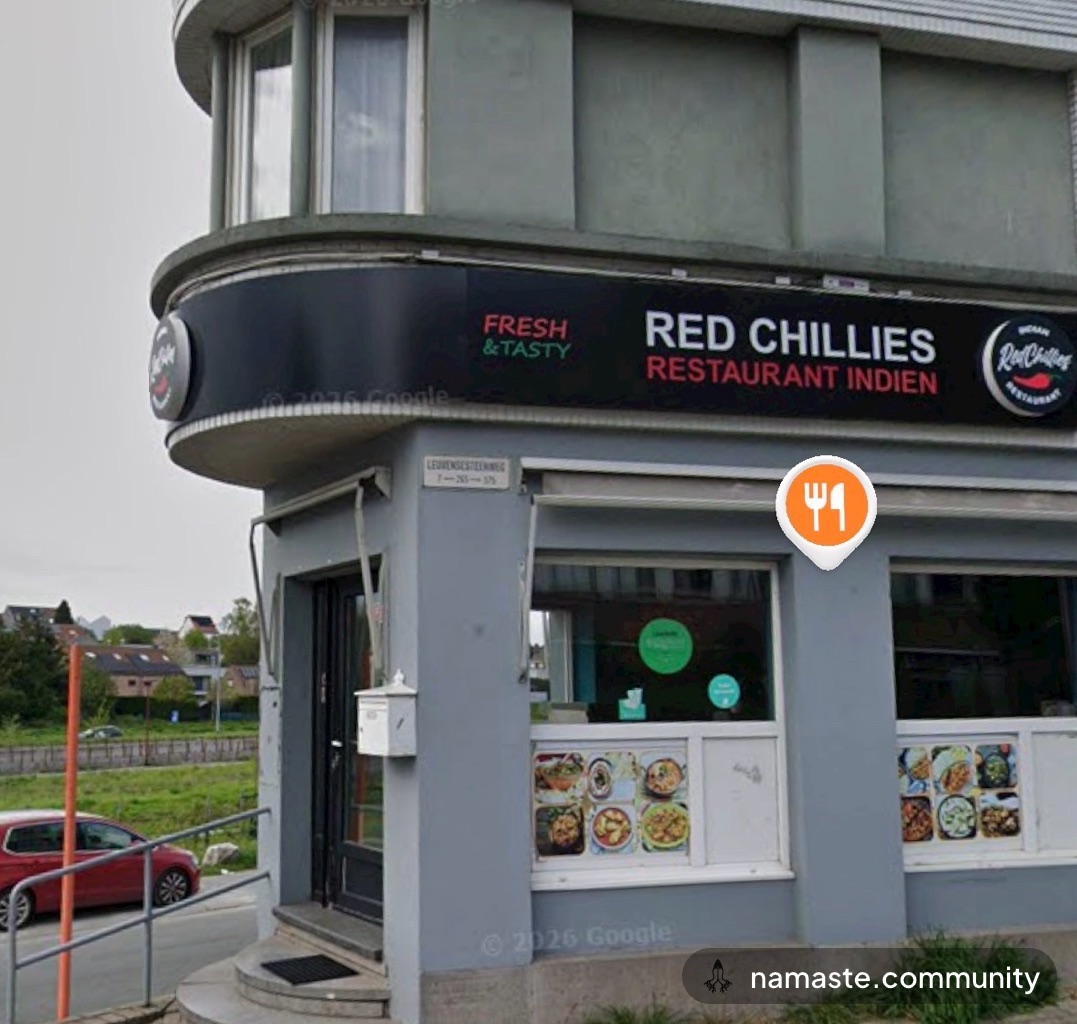
| Brussels | The Chaussée de Wavre run in Ixelles–Etterbeek (Garam Masala, Express Afro-Indian, S.H. Foods, Green Pepper), Sahota Brothers in Etterbeek (delivers), Indianspices and City Express in Schaerbeek, Kam Yuen in the centre | The widest choice: South Indian at Arya Bhavan, North Indian at Mumtaz and Les Rives du Gange, Nepali at L'Everest, Kantipur and Mo Mo, budget biryani around De Brouckère and Schaerbeek |
| Antwerp | Sun Wah on Van Wesenbekestraat (Asian supermarket with Indian staples) and the Indian shops of the diamond district around the Central Station; Shyam for vegetarian takeaway | Gujarati vegetarian cooking follows the Jain community; South Indian and Punjabi restaurants around the station and Berchem |
| Ghent | Himalaya Exotic Market (the city's largest Indian grocer), Tevhid at Dampoort, the Sleepstraat shops | A dozen Indian and Nepali kitchens around Oudburg and Sleepstraat: India Palace, Taj Mahal, Rasoi, Himalaya, Nepal Delight |
| Leuven | One South Asian supermarket on Tiensestraat; Sree Krishna Groceries and Dookan deliver; the Ganesh festival's bazaar each September | Unusually strong Nepali food for a small city: Masalatop, Namaste Tandoori, Nepal Delight, Wok & Momo House, Bánh Mì Chhen; modern Indian at Red Leaf and Nirvana Kitchen |
| Everywhere | Online: Dookan (from Czechia, three to five days), Sree Krishna Groceries, Sahota Brothers within Brussels; Colruyt, Delhaize, Carrefour and Lidl for rice, pulses, coconut milk and basic spices; the Sunday markets for coriander, chillies, okra and mangoes | Most Indian restaurants put on a Diwali menu and cater festivals; the associations' festival stalls are where fresh mithai appears |
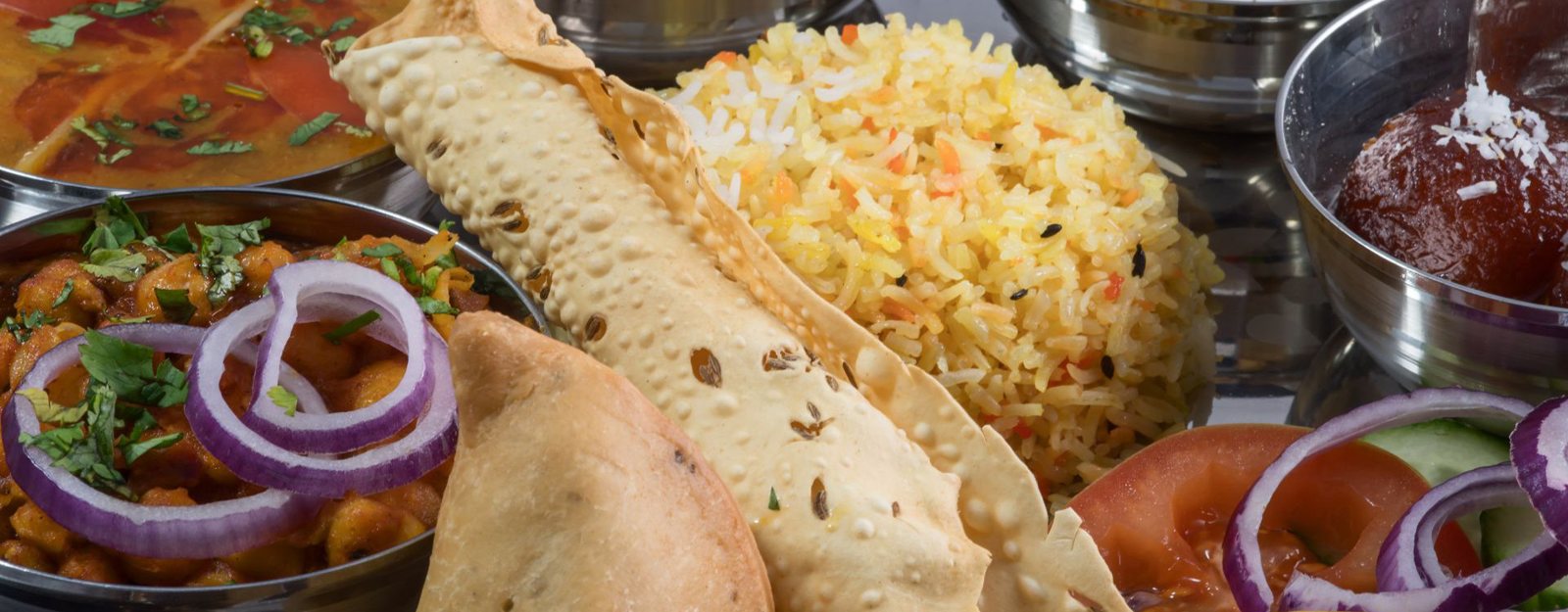
Curry leaves, drumsticks, fresh methi and good paneer are the perennial hunt; the Malayali and Tamil groups know when a shipment has landed. Vegetarian and vegan eating is easy — Flemish cities in particular have embraced it — and halal meat is everywhere in the Turkish and Moroccan neighbourhoods of every city.
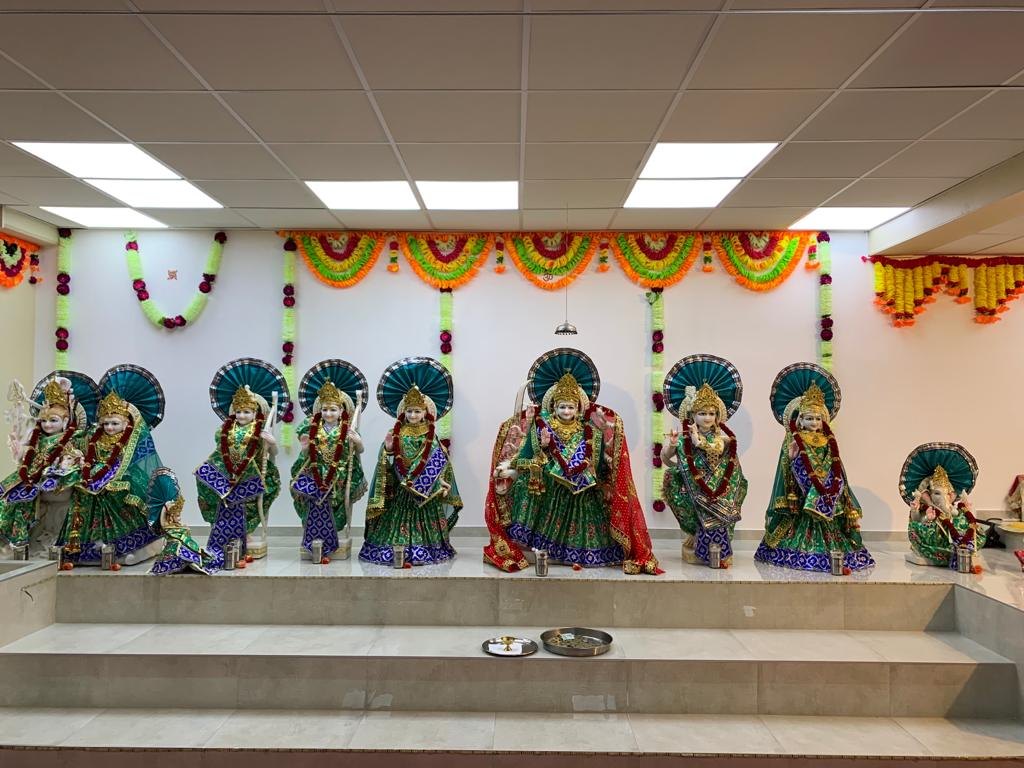
Hinduism is not yet an officially recognised religion in Belgium — Parliament voted the first subsidy toward recognition in January 2024 — so the temples are community associations in converted buildings, and a fundraising effort for the country's first purpose-built mandir is under way. Small, warm and volunteer-run, they are where the festivals happen.
| Place | Where | What to know |
|---|---|---|
| Brussels Mandir | Rue Colonel Bourg 123–125, 1140 Evere | The main Brussels temple since 2012; Sundays 11:00–13:00; Durga, Ganesh, Lakshmi, Radha-Krishna, Sai Baba |
| Brussels Ram Mandir | Place Van Meyel 28, 1040 Etterbeek | The oldest temple in Brussels; Saturday and Sunday mornings 09:00–11:30 |
| BAPS Shri Swaminarayan Mandir | Van Breestraat 10, 2018 Antwerp | The Gujarati community's temple; runs Antwerp's annual Ganesh festival with a procession to the Stadspark |
| Shankheshwar Parshvanath Jain Temple | Wilrijk, Antwerp | A thousand square metres of carved marble, in use since 2010, the only Jain temple on the European mainland; built by the Palanpur diamond families |
| ISKCON Radhadesh | Petite Somme 5, 6940 Septon-Durbuy | The Benelux's ISKCON centre in an Ardennes château since 1979: guesthouse, Govinda's restaurant, Bhaktivedanta College, the best day trip in the Belgian Hindu calendar |
| ISKCON Brussels · Antwerp · Ghent | Avenue d'Auderghem 197, Etterbeek; centres in Antwerp and Ghent | Kirtan, Gita classes and prasadam evenings |
| Satya Sai Bhajan Mandali | Leuven, Antwerp, Ostend | The Nepali Hindu community's Sunday bhajan groups |
| Hindu Forum of Belgium | Avenue d'Auderghem 197, Etterbeek | The umbrella body, founded 2007 |
The Shiva Temple in Oudenaarde, opened in 2020, closed in October 2024 and survives only as a small shrine at its association's offices. There is no Sri Lankan Tamil temple in Belgium that we could confirm; the large Tamil temple festivals of the region are in the Netherlands, Germany and Paris.
The Punjabi Sikh community — around 10,000 people, the largest Indian-origin community in the country — grew from seasonal fruit-farm work around Sint-Truiden, and its gurdwaras follow that map: - Gurdwara Sangat Sahib, Diestersteenweg 71, 3800 Sint-Truiden — founded 1993, the largest in Belgium, with two hundred or more in the sangat on a Sunday and the annual nagar kirtan through the town around Guru Nanak Jayanti. - Gurdwara Guru Har Rai Sahib, Bisschoppenhoflaan 638, 2100 Deurne (Antwerp). - Gurdwara Guru Nanak Sahib, Lange Molensstraat 14, 1800 Vilvoorde — since 1999 in a former cinema, twenty minutes from Brussels, but closed indefinitely by order of the mayor since 1 February 2025 after a stabbing and disputes over its board; it had not reopened when this guide was checked. - Gurdwara Mata Sahib Kaur Ji, Kortrijksepoortstraat 49, 9000 Ghent. - Guru Ram Dass, Borgloon (2005); Singh Sabha, Alken (2013); Guru Nanak Parkash, Rue Fonds des Tawes 93, 4000 Liège. The Guru Nanak Sikh Society (sikhs.be) is the national umbrella. Langar is served at all of them.
South Asian Muslims in Brussels have two Pakistani-run centres (the Pakistan Islamic Centre near Anneessens and the Pakistani Islamic and Community Centre in Molenbeek) and pray Eid at the Great Mosque and the large neighbourhood mosques; every Belgian city has Turkish and Moroccan mosques that welcome all. Indian Christians find English-language Catholic and Protestant congregations in every city; Malayalam-language Mass moves around and is best asked of Kairali Belgium. The Brahma Kumaris (Brussels), Art of Living and Chinmaya groups run courses; a pandit for a house puja, naming or wedding is best found through the Brussels Mandir or the BAPS temple.
Every temple and gurdwara in Belgium, with addresses and hours →
The Indian community in Belgium is organised by language and region first, faith second, city third — and almost every association is a volunteer-run non-profit that exists to put on two or three festivals a year. Joining one is the fastest way to stop feeling new.
| Association | Who | What it does |
|---|---|---|
| Antwerp Indian Association (since 1979) | Antwerp, pan-Indian, 600+ members | Diwali and Holi evenings, the Antwerp Indians Cricket Club, drop-off of embassy documents for Antwerp residents |
| Indian Student Association of Leuven (since 1972) | KU Leuven's Indian students; 800+ student and 600 non-student members | Orientation and airport pick-up for newcomers, Diwali, Holi, cricket, trips |
| India House Leuven | KU Leuven, the City of Leuven and Leuven MindGate | The Tagore bust and Tagore Day each May; economic and cultural links with India |
| Kairali Belgium (since 2007) | Malayalis nationwide | Onam ("Onavarnangal") each September — 12 September 2026 at the Agora in Kraainem |
| Tero Parbon · Belgium Sarbojanin Durga Puja Samity | Bengalis, Indian and Bangladeshi | Two Durga Pujas in Brussels each October (Tero Parbon's main day: 17 October 2026) |
| Belgium Telugu Association · Belgium Tamil Sangam · Belgium Marathi Mandal | Regional communities, Brussels-based | Ugadi, Pongal, Tamil New Year, Ganesh, cultural evenings |
| Indians in Belgium vzw · Indian Association of Belgium | Pan-Indian, culture and arts | Events and community work |
| Art India asbl | Brussels | The Brussels Diwali Festival at the Atomium |
| India Centre for Culture and Creativity (ICCC) | Leuven | The Ganesh Cultural Festival on Blauwputplein with the City of Leuven |
| Hindu Forum of Belgium · HSS Belgium · Guru Nanak Sikh Society · Jain Cultural Centre Antwerp | Faith umbrellas | Recognition, youth work, the temples' programmes |
| Belgo-Indian Chamber of Commerce and Industry (since 1954) | Business, based in Kortrijk | Trade missions and networking; 2,000+ contacts |
The festival calendar on this site carries the dates and every event posted near you. The Belgian shape of it:
| Season | Festival | Where in Belgium |
|---|---|---|
| January | Pongal and Sankranti | Tamil Sangam and Telugu Association family days in Brussels |
| March | Holi | Student associations in Leuven, Ghent, Brussels and Antwerp; Tero Parbon's Basanta Utsav |
| April | Vaisakhi · Bengali and Bangla New Year | The Sint-Truiden, Deurne and Ghent gurdwaras; Tero Parbon; the Bangladesh embassy |
| May | Gent India Dans Festival · Tagore Day | Shoonya Dance Centre, Ghent (1–3 May 2026); KU Leuven |
| August–September | Ganesh Chaturthi · Onam | BAPS Antwerp's Ganesh festival with a Stadspark procession; the Leuven Ganesh Cultural Festival on Blauwputplein (19–20 September 2026, free); the Mahaganesh Utsav near Zaventem; Kairali's Onam |
| October | Navratri, Garba and Durga Puja | Garba nights in Leuven (Heverlee), Brussels and Antwerp; the two Brussels Durga Pujas |
| October–November | Diwali | Brussels Diwali Festival, Atomium esplanade, 24–25 October 2026 (tenth edition, ticketed, fireworks both nights); Antwerp Indian Association's Diwali evening; ISAL's Diwali in Leuven; Diwali itself on 8 November 2026 |
| November | Guru Nanak Jayanti | The Sint-Truiden nagar kirtan and every gurdwara |
The Belgian Cricket Federation (founded 1990) runs a full league: Antwerp CC, Antwerp Indians CC, Beveren, Mechelen Eagles, Gent CC (on a ground the city built in Mariakerke), Leuven Knights, Royal Brussels CC (since 1885), Brussels Greens, International CC, 12 Stars, Braine, Pakistan CC Belgium and Liège — most of them majority South Asian and short of players every spring. Kinepolis screens Hindi, Tamil, Telugu and Malayalam releases with English subtitles under its "Indiase film" programme in Brussels, Antwerp and other multiplexes. Kathak, Bollywood and Bhangra are taught at Shoonya in Ghent; Bharatanatyam and Carnatic teachers advertise through the associations.
Wed, 7 Oct 2026, 19:00
Sanjha Rasoi
Fri, 9 Oct 2026, 18:30
Place de Luxembourg
Sat, 10 Oct 2026, 14:30
OC Berkenhof Auditorium

Sat, 10 Oct 2026, 17:00 – Sun 01:00
SALCO - Sint-Albertuscollege Haasrode

Sat, 10 Oct 2026, 18:00 – Sun 01:59
U Square

Wed, 14 Oct 2026, 19:00
Espace Lumen
Every Indian who has moved abroad has the same first move: find the WhatsApp group. Belgium has hundreds — a Malayali one, a Telugu one, an "Indians in Belgium" one that has split several times, groups for each university intake, flat-hunting groups, groups for the parents at one school, a box-cricket group in Woluwe, a night-shop owners' group in Ghent. They are how the community has always run, and this guide is not going to pretend otherwise.
They are fast and they are warm: ask at nine in the evening whether the commune in Evere still takes walk-ins and someone who registered last week will answer before ten. But you need to know somebody to get the link; the links that circulate on Facebook and Telegram are stale, and the live ones are where the "guaranteed job" and "cheap OCI service" scams start. A group of 800 people has no moderator, so the same three questions are asked every week and the answers scroll away. Every member can see your phone number. And a group does not know where you live: the flat in Antwerp and the garba in Eindhoven arrive with the same weight as the one round the corner.
Namaste Community is a free app, built in Belgium by members of this community, that keeps what the groups do well and fixes the rest. It launched in the Benelux and works in every country, so it is also the answer when you move on.
The groups across Belgium are listed below, ranked by how active they are. If the one you need does not exist, start it in the app: it takes a minute, and it shows up here for the next person searching.
Professional · Ixelles - Elsene, Brussels-Capital
33 members1 message this monthAsk to join
Belgium's South Asian community is wider than its Indian part, and the communities share far more here than they do at home: the same grocers, the same cricket league, the same cinema screens, the same struggle with the commune's Dutch or French. All four countries keep embassies in Brussels, and each community has its own festivals, food and prayer spaces.
| Embassy in Brussels | Address | Contact |
|---|---|---|
| Nepal | Avenue Brugmann 210, 1050 Ixelles | +32 2 346 26 58 · be.nepalembassy.gov.np |
| Sri Lanka (also to the EU) | Rue Jules Lejeune 27, 1050 Ixelles | +32 2 344 53 94 |
| Pakistan (also to the EU) | Avenue Delleur 57, 1170 Watermael-Boitsfort | +32 2 673 80 07 · consular Mon–Thu 09:30–14:00, Fri 09:30–12:00 · mofa.gov.pk/brussels |
| Bangladesh (also to Luxembourg and the EU) | Rue Jacques Jordaens 29, 1000 Brussels | +32 2 640 55 00 · Mon–Fri 09:30–17:00 · brussels.mofa.gov.bd |
| India (also to Luxembourg and the EU) | Chaussée de Vleurgat 215–217, 1050 Ixelles | see the consular section below |
Nepal's foreign ministry puts the Nepali community in Belgium at around 8,000 people, and the Hindu Forum counts some 8,000 Hindus of Nepali origin concentrated in Leuven, Antwerp, Brussels and Bruges — which is why Leuven, a city of 105,000, has half a dozen Nepali restaurants. Nepali entrepreneurs run a large share of the country's night shops, Asian restaurants, car washes and souvenir shops. The NRNA National Coordination Council Belgium (since 2006) organises Dashain, Tihar, Teej and Lhosar, and the Satya Sai Bhajan Mandali holds Sunday bhajan in Leuven, Antwerp and Ostend.
Tamils in Belgium, Sri Lankan and Indian together, numbered around 7,000 by 2016 estimates, with Sri Lankan Tamil families concentrated in Saint-Josse and Schaerbeek in Brussels. The Belgium Tamil Sangam keeps Pongal and Tamil New Year; the two Brussels temples are shared; and the large Tamil temple festivals of the region are across the borders.
Statbel counted 6,001 Pakistani nationals on 1 January 2024. Pakistanis have been in Belgium long enough that the Belgian word for a night shop is a "Paki", after the families who opened most of them. The community prays at the Pakistan Islamic Centre in central Brussels and the Pakistani Islamic and Community Centre in Molenbeek, gathers for Eid at the Great Mosque, and fields the Pakistan Cricket Club Belgium in the federation league. Urdu- and Punjabi-speaking Indians will find the shops of Molenbeek and Schaerbeek stocked as if for them.
Some 5,000 Bangladeshis live in Belgium. The embassy hosts Pohela Boishakh each April, the Association of Bangladeshi Students in Belgium (absb.be) organises students across the universities, and Tero Parbon's Durga Puja and Poila Boishakh in Brussels are shared with Indian Bengalis without anyone asking which side of the border a family came from.
Everything on this page about permits, registering, renting, health funds, tax and transport applies identically to all of them; the differences are the embassy, the festival calendar and the shelf you head for in the grocer. The South Asian Student Society at KU Leuven's Brussels campus, the cricket clubs, the Kinepolis programme and the halal grills of every city are where the four flags mix most easily.
There is no Indian-curriculum or CBSE-affiliated school in Belgium as far as we can establish, so an Indian family chooses between the Dutch-language network (Flanders and half of Brussels), the French-language network (Wallonia and the other half), and fee-paying international schools. The public networks are free of tuition, take children from two and a half, and are where most Indian families end up — the international schools are for those whose employer pays or whose stay is short.
Childcare is regulated by the Communities — Opgroeien (Kind en Gezin) on the Dutch side, ONE on the French side — and is short everywhere. Register as soon as the pregnancy is confirmed on the Dutch side and from the fourth month on the French side; Ghent, Leuven and the Brussels communes each run a central application point with a preference list, and demand exceeds supply in every city. Subsidised crèches charge income-linked fees; childminders and private crèches are the fallback, and many Indian families bring a grandparent over on a visitor visa for the first months.
Compulsory schooling starts at five and both networks are free, with small capped charges for materials and trips. A child who arrives without the language goes into a reception class — OKAN in Flemish secondary schools (and extra Dutch hours in primary; separate newcomer language classes from September 2026), DASPA in the French Community for up to two years — and then joins the mainstream. Registration for the oldest years is centralised and windowed: Flemish cities use "meld je aan" platforms with a February–March window for nursery and primary and a March–April window for the first year of secondary; the French Community's Décret Inscriptions covers the first year of secondary. Miss the window and you enrol directly at a school with places left, which in Leuven or Ghent can mean a long bus ride.
| School | Where | 2026–27 fees (approximate) |
|---|---|---|
| International School of Brussels | Watermael-Boitsfort | €22,590–49,715 |
| British School of Brussels | Tervuren | €22,000–33,000 |
| St John's · BEPS · Bogaerts | Waterloo · Ixelles · Uccle | €16,000–28,000 |
| European Schools (four Brussels campuses) | For EU-institution families; outsiders only as siblings | €4,370–8,195 |
| International School of Leuven | Heverlee, ages 2½–12 | €15,200 full day; €800 admission |
| International School Ghent | Leopoldskazerne, ages 3–16 | the only one in Ghent |
| Antwerp International School · British School of Antwerp | Ekeren · Antwerp | check the fee pages |
There is no institutional Hindi weekend school in Belgium; language teaching runs through private tutors and the associations — the Tamil Sangam, Kairali, the Telugu Association and ISAL run children's programmes, Shoonya in Ghent teaches Kathak and Bollywood, and Bharatanatyam and Carnatic teachers advertise at festival events. The Brussels Mandir's Sunday gathering is where many children get their only weekly Hindi.
Register the birth with the Embassy of India (hospital slip, both parents' passports and residence cards, marriage certificate) and then apply for the child's OCI card with the commune's birth certificate; a Belgian-born child of two Indian parents is Indian by descent and takes Belgian nationality only if a parent naturalises or after ten years of residence and a declaration. Keep both sets of paperwork current: the OCI must be renewed after each new passport until the child is twenty.
First-hand: Family & kids in Belgium
Written by people who have just done it, under their own name.
Ananda Rajashekar · Brussels

Asha MenonCommunity desk · Brussels
Asha MenonCommunity desk · Brussels
You can work in Belgium in English — the EU quarter, the IT firms, the universities and the biotech parks run in it — but you cannot deal with the state in English, and the language your children learn, your neighbours speak and your commune writes in is decided by where you live: Dutch in Flanders, French in Wallonia, both in Brussels.
Dutch opens Flanders, its schools and its job market, and it is the language the Belgian state rewards you for learning — the Flemish shortage lists are full of jobs that want it. French opens Brussels and Wallonia and is the language you will hear most in the capital's shops. Indian speakers of Hindi, Punjabi or Bengali tend to find Dutch pronunciation easier than French; the grammar is the other way round. Learning the language of your Region to A2 is also a condition of Belgian nationality, and a certificate from any of the courses below counts.
First-hand: Settling in in Belgium
Written by people who have just done it, under their own name.
The Embassy of India at Chaussée de Vleurgat 215–217 in Ixelles, Brussels, is accredited to Belgium, Luxembourg and the European Union and is the only Indian mission in the country: an Antwerp, Ghent or Leuven resident deals with Brussels. Office hours are 09:00–17:45 on working days with a lunch break from 13:00 to 13:45.
Passport renewals, OCI cards, police clearance certificates, attestations and apostilles of Indian documents, registration of births and life certificates are submitted at the embassy by prior online appointment — bookable up to two months ahead, one applicant per slot — between 10:00 and 12:30 on working days; collection is 16:00–16:45 without an appointment. None of these is outsourced. Fill the application on the Passport Seva or OCI portal first, print it and bring the originals the checklist asks for; OCI biometrics have been taken in person since December 2018. Antwerp residents can drop documents through the Antwerp Indian Association and Luxembourg residents through a designated office in Luxembourg — both arrangements change, so check the consular page. Consular queries: cons.brussels@mea.gov.in (+32 2 640 91 40); OCI and visa: cons2.brussels@mea.gov.in; after-hours emergency mobiles are listed on the consular page for genuine emergencies.
For Belgian and Luxembourg residents who are not Indian citizens, visas are handled by VFS Global at Chaussée de Louvain 467, 1030 Schaerbeek (08:00–13:00 and 14:00–16:00; +32 2 627 08 12); most Belgian passport holders can use the e-Visa instead.
The embassy administers the Indian Community Welfare Fund, which can help Indian nationals in distress — a stranded worker, a medical emergency, a repatriation — and asks Indian students to register on the MADAD consular grievance portal. Register yourself on MADAD or the embassy's community list when you arrive; it is how the embassy reaches nationals in an emergency and how the annual community events are announced.
First-hand: Paperwork & admin in Belgium
Written by people who have just done it, under their own name.
The official pages this guide was checked against on September 27, 2026. When they and this page disagree, they win.
Everything in Belgium that this page cannot keep current — events this week, groups near you, businesses with reviews — is in the app, ranked by distance.
Namaste Community — the Indian expat community, near you. Free to join, works in every country.
Indians in Brussels: the 2026 guide to moving, settling in and finding your people
Checked September 27, 2026
Indians in Ghent (Gent): the 2026 guide to studying, working and settling in
Checked September 27, 2026
Indians in Leuven: the 2026 guide for KU Leuven students, imec engineers and families
Checked September 27, 2026
Indians in Antwerp: the 2026 guide to the diamond city, its temples, jobs and neighbourhoods
Checked September 27, 2026
Indians in Mechelen: the 2026 guide to the family city between Brussels and Antwerp
Checked September 27, 2026