Moving & living guide · Luxembourg
Indians in Luxembourg: the 2026 guide to moving, working and settling in the Grand Duchy
Luxembourg’s Indian community has tripled in a decade to 5,728 Indian nationals on 1 January 2026 — the second-largest non-European community — drawn by the funds industry, the EU institutions on Kirchberg, Amazon and the IT services firms, and paid Europe’s highest wages against its highest rents. This guide sets out the apply-before-you-fly permit sequence, the Blue Card and salaried-worker routes, pay and tax including the 50% impatriate exemption, housing, the CNS, free childcare hours and free international schools, free public transport and the fact that an Indian driving licence converts here, and where the community, its food and its festivals are — with the Nepali, Pakistani, Bangladeshi and Sri Lankan communities included.
1.Luxembourg at a glance
Correct or addContents ↑Luxembourg is a country the size of a large Indian district — 690,959 people on 1 January 2026, 46.6% of them foreign nationals from about 180 countries — with the highest wages in Europe, three official languages (Luxembourgish, French and German) and English as the working language of its banks, funds, EU institutions and technology companies. It is one of the two seats of the European Union's institutions, Europe's largest investment-fund centre, and a place where nearly half the workforce commutes in every morning from France, Belgium and Germany.
The Indian community is small and has grown faster than almost any other: fewer than 2,000 Indians in 2017, 5,728 Indian nationals on 1 January 2026 — the second-largest non-European community after the Ukrainians — and around 6,000 counting the 700–800 who have taken Luxembourgish nationality, which the Grand Duchy allows and India does not. India's Ministry of External Affairs counts 6,037 overseas Indians as of January 2026 (4,835 citizens, 1,202 people of Indian origin). Indians were among the ten nationalities with the highest net migration in 2025. They work in the funds industry, the banks, the Big Four, the EU institutions on Kirchberg, Amazon's European headquarters and the IT services firms (TCS, Wipro, Tech Mahindra), and they live in and around the capital — Gare and Bonnevoie, Gasperich and the Cloche d'Or, Kirchberg, Belair and Limpertsberg — and increasingly in Esch-Belval and the commuter towns over the borders.
| Essential | What / where |
|---|---|
| Population and languages | 690,959; Luxembourgish, French, German official; English at work |
| Indians | 5,728 Indian nationals (STATEC, 1 Jan 2026); 6,037 overseas Indians (MEA, Jan 2026) |
| Work permit | Since 1 Oct 2026: apply for the visa D directly at VFS New Delhi (€50), arrival declaration within 3 days, medical check, residence permit (€80) |
| EU Blue Card threshold | €65,652 a year gross (applications from 3 March 2026) |
| Minimum wage (1 Jun 2026) | €2,771.33 unskilled · €3,325.59 skilled, gross a month |
| Public transport | Free nationwide — buses, trams and second-class trains — since March 2020 |
| Driving licence | An Indian licence CAN be converted within 12 months of residence, €30, no practical test |
| Rent | A one-bedroom in Luxembourg City about €1,985 in the centre and €1,777 outside (Numbeo, Sep 2026); deposit capped at 2 months |
| Indian consular desk | Honorary Consulate General of India, The Paladium, 10A rue du Puits, Bonnevoie — Wednesday and Thursday 13:00–17:00; everything is processed by the Embassy in Brussels |
| The associations | Indian Association Luxembourg (since 1991), the Malayali, Telugu, Tamil and Bengali associations, the Hindu Forum's centre at 219 rue de Beggen |
Two things make Luxembourg different from its neighbours for an Indian newcomer. The state is generous — free transport, twenty free crèche hours a week, six tuition-free international schools, a health fund that pays 88% of the doctor's bill — and the housing market is the most expensive in the EU, so that the salary that looks enormous from Bangalore is spent on rent before anything else. This guide sets out the sequence of coming, the permits, work and pay, housing, health, schools, transport and the community; the Luxembourg City guide has the neighbourhood-level detail.
2.Moving to Luxembourg from India: the sequence
Correct or addContents ↑The procedure changed on 1 October 2026. The separate temporary authorisation to stay (autorisation de séjour temporaire), which used to come before the visa, is abolished for new applications: you now apply for a long-stay visa D directly, and the embassy forwards the file to the Immigration Directorate. An authorisation already issued stays valid, and applications filed up to 30 September 2026 finish under the old procedure.
- A job offer from a Luxembourg employer (or an admission letter, or a family member already resident). For an ordinary salaried-worker permit the employer declares the vacancy to ADEM, the employment agency, and asks for the certificate that no suitable registered jobseeker exists: within 5 days for an occupation on the 2026 shortage list, otherwise after ADEM's 7-working-day check (longer if it proposes candidates). The certificate is valid three months. EU Blue Card hires skip that test.
- Gather the visa D file: passport, a criminal-record certificate under three months old, CV, diplomas, the signed contract, Schengen travel insurance and, for the salaried route, the ADEM certificate — with sworn translations for anything not in German, French or English. guichet.lu asks for copies and does not mention an apostille; India is in the Hague Apostille Convention, so ask the embassy whether yours needs one.
- Apply for the visa D at the Luxembourg Visa Application Centre run by VFS Global; the Embassy of Luxembourg in New Delhi decides and forwards the file to the Immigration Directorate. The fee is €50 (₹5,500); apply 25–30 working days before you mean to travel. The visa D is issued for six months.
- Sort a legal address before you land — there is no residence permit without one, and the commune deadline below is three days.
- Fly. There are no nonstop flights between India and Luxembourg; the usual routes are one stop via Frankfurt, Paris, Amsterdam, Istanbul or the Gulf, and Etihad's new Luxembourg–Abu Dhabi service (from 29 October 2026, three times a week) makes a one-stop via Abu Dhabi possible. Frankfurt is two hours away by train.
- Declare your arrival at the commune within 3 days — at the Bierger-Center for Luxembourg City — with your passport, visa and lease or host attestation. This produces your matricule, the 13-digit national identification number that everything else keys off.
- Medical check — a doctor's examination and tuberculosis screening — at an approved practitioner, within the first weeks.
- Apply for the residence permit on MyGuichet or by post before the visa D runs out; if approved, pay €80, attend the biometrics appointment, and collect the card a week later. A first salaried-worker permit is valid up to two years, and you cannot change employer in the first six months (after that, notify the Immigration Directorate and wait 30 days).
- In the first weeks: your employer registers you with the CCSS (social security) within eight days of hiring, which brings your CNS health card; open a bank account; register a SIM; sign up for the voluntary welcome and integration contract (CAI) for the language vouchers.
Packing and practicalities
Luxembourg runs on 230 V with type F and E sockets (Indian type C plugs fit). Bring three months of any prescription medicine with the prescription; pharmacies stock most things under different names and over-the-counter medicines are pharmacy-only. Winters are cold and grey, summers mild. Cards are accepted everywhere; you will rarely need cash. Tap water is drinkable. Learn a few words of French first — it is the language of the shops and the commune, and Luxembourgish is the language the state most wants you to learn.
3.Residence permits: salaried worker, Blue Card, students, family, long-term residence and nationality
Correct or addContents ↑Immigration is national in Luxembourg — no regions, one Immigration Directorate, one set of rules on guichet.lu — and the procedures are clearly written in English.
Salaried worker
The general route for a non-EU employee since 1 October 2026: the ADEM certificate (5 days for a shortage occupation), the visa D applied for directly at VFS New Delhi (€50), the arrival declaration, the medical check, and the residence permit (€80). The first permit is valid up to two years, with no change of employer in the first six months.
EU Blue Card
For the highly qualified: a contract of at least six months at a gross salary of €65,652 a year or more (the threshold rose from €63,408 for applications filed from 3 March 2026), a higher-education degree (or, for IT specialists, three years' relevant experience in the last seven — confirm the current wording), no labour-market test, €80 for the residence permit (check the card's validity with the Immigration Directorate). There is no longer a reduced threshold for shortage occupations. The Blue Card also shortens the wait for family reunification and opens intra-EU mobility after a period.
Intra-corporate transfers
A separate ICT permit exists for managers, specialists and trainees posted to a Luxembourg entity by a non-EU group company — the route Indian IT firms use for project staff.
Students
A student permit needs an admission letter and monthly resources of at least 80% of the REVIS social-inclusion income, shown by a scholarship, a loan certificate or six months of bank statements. Students may work up to 15 hours a week. After graduating, a job-seeker or business-creation permit of up to nine months is available if applied for before the student permit expires.
Family
A spouse and minor children can join a resident once the sponsor has twelve months' residence — waived for Blue Card holders, ICT workers and researchers — with stable resources measured against the unskilled minimum wage over the previous year, suitable housing (12 m² for the first occupant and 9 m² per additional person), and health insurance. Family members get their own residence permits and, in most cases, free access to the labour market.
After five years
Long-term resident status after five years of continuous lawful residence with stable resources frees you from the employer link and is the basis for moving elsewhere in the EU. Luxembourgish nationality by naturalisation is possible after five years of legal residence (the last twelve months uninterrupted) if you pass the Sproochentest — Luxembourgish speaking at A2 and listening at B1 — and the "Vivre ensemble au Grand-Duché" citizenship course or its test, and have no serious criminal record; the minister decides within eight months. Luxembourg allows dual nationality; India does not, so an Indian who naturalises surrenders the Indian passport and applies for an OCI card. About 8,200 people acquired Luxembourgish nationality in 2025, a few hundred of them Indian.
4.Work: where the jobs are, what they pay, and the tax that follows
Correct or addContents ↑The sectors
- Funds and banking — Luxembourg is the second-largest investment-fund centre in the world and a private-banking hub; the fund administrators, depositaries, custodians, the Big Four and the law firms employ thousands of internationals in compliance, operations, risk, audit and technology.
- The EU institutions on Kirchberg — the Court of Justice, the European Investment Bank, the Court of Auditors, the European Public Prosecutor's Office, the Parliament's secretariat, Eurostat and parts of the Commission; permanent posts need EU citizenship, contract and agency posts sometimes do not.
- Technology and e-commerce — Amazon's European headquarters, PayPal Europe, the satellite operator SES, and the IT services firms: TCS, Wipro and Tech Mahindra have Luxembourg operations serving the banks.
- Industry and logistics — ArcelorMittal's global headquarters, Goodyear's European centre, Cargolux at the airport.
- The University of Luxembourg and the research institutes at Belval.
What it pays
The social minimum wage from 1 June 2026 is €2,771.33 gross a month for unskilled and €3,325.59 for skilled workers, the highest in the EU; the average gross salary is around €6,300 a month and the median around €4,800. Salaries are indexed automatically to inflation, in steps of 2.5%. Standard hours are 40 a week; leave is 26 working days plus 11 public holidays (including Europe Day on 9 May and National Day on 23 June). Meal vouchers are worth €15 a day (€12.20 employer-paid and tax-free, since 2024, and digital). A thirteenth month is customary in banking and in collective agreements but not a legal right.
Tax
Luxembourg taxes residents progressively with a top rate of 42% plus a 7% solidarity surcharge (9% at high incomes), in three tax classes — 1 for single people, 1a for single parents and some others, 2 for married couples taxed jointly — which remain in force for 2026 and 2027; a draft law would move everyone to a single class with individual taxation from 2028 and raise the tax-free bracket to €26,650. The impatriate regime, reformed from tax year 2025, exempts 50% of gross pay up to €400,000 (so up to €200,000 tax-free) for eight years for employees recruited from abroad on a base salary of at least €75,000 who were not tax-resident in Luxembourg or within 150 km of its border in the previous five years — ask for it in the offer. Cross-border workers living in France, Belgium or Germany pay Luxembourg tax on Luxembourg work, within the home-working day limits their treaties set.
The agreements with India
The India–Luxembourg social security agreement (signed 30 September 2009, in force 1 June 2011) lets employees posted by an Indian employer stay in EPF on a certificate of coverage and totalises insurance periods for pensions. The double-taxation agreement (signed 2 June 2008, in force 9 July 2009) allocates taxing rights and relieves double tax on Indian income declared here; keep Indian tax certificates. The impatriate exemption is an income-tax measure only — social contributions are due on the whole salary.
Recognition and self-employment
Regulated professions need their diploma recognised by the Ministry of Higher Education; most private-sector jobs never ask. A non-EU national who wants to be self-employed applies for a self-employed residence permit with a business plan and the relevant establishment authorisation. The Indian Business Chamber of Luxembourg (since 2009) and the Chamber of Commerce's India desk connect the larger firms.
5.Housing: the most expensive market in the EU, and the rules that protect tenants
Correct or addContents ↑Housing is the Luxembourg problem. Asking rents reached an all-time high of about €30.94 per square metre in March 2026, up 7% in a year; Numbeo's September 2026 figures put a one-bedroom in Luxembourg City at €1,985 in the centre and €1,777 outside and a three-bedroom at €2,721–3,215, 55% above Brussels. A 75 m² two-bedroom on Kirchberg can ask €3,600. Nearly half the country's workers commute in from France, Belgium and Germany, where a one-bedroom in Arlon, Thionville, Metz or Trier costs 40–60% less — and many Indian families, after a first year in the city, make the same calculation.
The rules (reformed 1 August 2024)
- Deposit: maximum two months' rent (it was three); the state runs a rental-guarantee scheme for those who cannot fund it.
- Agency fees are split 50/50 between landlord and tenant whoever hired the agent; a clause saying otherwise is void.
- Every lease must be written; deposits must be returned within set deadlines with penalties for delay.
- A colocation (flat-share) contract regime now exists, with joint tenants and individual liability, but only where the lease says so explicitly.
- A rent subsidy (subvention de loyer) of €10–520 a month exists for lower-income households under ceilings set each year.
Where to look
athome.lu, immotop.lu and wortimmo.lu are the portals; the atHome quarterly barometer and the Ministry of Housing's Observatoire de l'Habitat are the price references. Expect to show your contract, three pay slips, your residence permit or authorisation, and to compete: good flats go in days. Furnished serviced apartments (the "aparthotels" around Gare and Kirchberg) and flat-shares are the usual first months. Landlords are entitled to ask about income and household size, not about nationality or origin.
The neighbourhoods, in brief
Gare and Bonnevoie for the grocers, the restaurants and the Indian consular desk; Gasperich and the Cloche d'Or for the new-build flats on the tram line; Kirchberg for the institutions and the banks (and the highest rents); Belair, Limpertsberg and Merl for families; Hollerich and Howald for value; Strassen, Bertrange and Mamer for houses and the European School II; Esch-sur-Alzette and Belval for the university and rents a third lower; and across the borders, Arlon, Thionville and Trier for the commuters. The Luxembourg City guide walks through each.
6.What Luxembourg costs
Correct or addContents ↑Everything except transport is dear, and rent is very dear. Numbeo's September 2026 basket puts a single person's spending at €1,115 a month before rent — about 10% above Brussels — and a family of four's at €3,947.
| Item (Luxembourg, 2026) | Typical price |
|---|---|
| One-bedroom flat, Luxembourg City | €1,985 in the centre · €1,777 outside |
| Three-bedroom flat | €3,215 in the centre · €2,721 outside |
| Asking rent per m², national | about €31 (March 2026) |
| Public transport | €0 — free nationwide; first-class train supplements only |
| Basic utilities, 85 m² flat | about €271 a month |
| Inexpensive meal | €24.50 |
| Meal vouchers (employer-paid, tax-free) | €15 a working day |
| GP consultation | €59.50, of which the CNS reimburses 88% — you pay €7.14; children under 18 free |
| Crèche, ages 1–4 | 20 hours a week free under the chèque-service accueil; after-school care 4–12 free in term time |
| Public international schools | free (six of them) |
| International School of Luxembourg | about €19,800–23,400 a year (check the current year) |
| St George's International School | about €14,750–19,550 a year plus fees |
| University of Luxembourg, non-EEA master's | €400 a semester for most programmes |
| Residence permit | €80 |
| Driving-licence conversion | €30 |
| Minimum wage (skilled), 1 Jun 2026 | €3,325.59 gross a month |
Two budgets
A single professional in a one-bedroom outside the centre spends roughly €2,900–3,300 a month all-in; a couple in the centre about €4,200; a family of four in a three-bedroom about €6,700–7,500 before any private school fees — offset, for many, by the impatriate regime's 50% exemption, free childcare hours, free schooling and free transport. Salaries are indexed to inflation in 2.5% steps, which is why the minimum wage moved in April and again in June 2026.
7.Health: the CNS, the doctor, the hospitals and 112
Correct or addContents ↑Luxembourg's healthcare is insurance-based and generous. Your employer's declaration to the CCSS within eight days of hiring affiliates you to the CNS (Caisse nationale de santé) for sickness, maternity, accident, pension, invalidity and dependency cover; your 13-digit matricule and your CNS card follow by post within weeks. Family members without their own income are co-insured free of charge.
How it works
You pay the doctor and the CNS reimburses the statutory share: a GP consultation is €59.50, reimbursed at 88% (€52.36), so you pay €7.14; children under 18 are reimbursed in full. Many practices now use immediate direct payment (PID) so you pay only your share. Reimbursement covers the official tariff, not a doctor's overrun — ask before a specialist visit. No referral is needed for specialists, though a médecin référent (a GP who holds your file) is worth choosing. The mutual top-up, CMCM, is what most families add for hospital supplements, dental and glasses; premiums are modest.
Hospitals
The Centre Hospitalier de Luxembourg (CHL) on rue Barblé; the Hôpitaux Robert Schuman group — Hôpital Kirchberg, the ZithaKlinik, Clinique Bohler (maternity) and Clinique Sainte-Marie; the CHEM in Esch-sur-Alzette. Emergency duty rotates between hospitals: call 112 (ambulance and fire, and it tells you which hospital is on duty that day); 113 is the police. Duty pharmacies are listed at pharmacie.lu.
Bring from India
A translated summary of any chronic condition, prescriptions with generic names, children's vaccination records for the crèche and school, and three months of any regular medicine. The medical check on arrival includes a tuberculosis screening; bring any recent chest X-ray.
8.Schools and childcare: free crèche hours, a trilingual system, and six free international schools
Correct or addContents ↑Luxembourg's school system is the hardest part of the country for a newcomer's child and the state has built two escape routes, both free.
Childcare
The chèque-service accueil (CSA) gives every child aged one to four 20 hours a week of free crèche (46 weeks a year) regardless of income, with subsidised rates above that; from age four to twelve the maison relais after-school care is free from 07:00 to 19:00 in term time with meals included. The state contribution was raised and indexed from 1 January 2026. Enrol through your commune; waiting lists exist in the city, so apply as soon as you have an address.
Public schools
State schools teach in Luxembourgish first, then German, then French — trilingual by design, and a real barrier for a child arriving at eight or ten. The state's answer is a network of six tuition-free public international schools teaching the European Baccalaureate curriculum in English, French or German sections: the École internationale Differdange & Esch, the École internationale Gaston Thorn in Luxembourg City, the International School Michel Lucius (English primary and secondary, Luxembourg City), the Lënster Lycée International School in Junglinster, the Lycée Edward Steichen in Clervaux and the École internationale Mersch Anne Beffort. Places are limited and allocated by application; apply early.
Private international schools
The International School of Luxembourg (Merl; about €19,800–23,400 a year) and St George's International School (Hamm; about €14,750–19,550 plus application, deposit and building-fund fees) are the English-medium private schools; the two European Schools (Kirchberg and Mamer) prioritise EU-staff children and take others for a fee; the Lycée Vauban follows the French system. Many EU and corporate packages include school fees — ask.
University
The University of Luxembourg (campuses at Belval, Kirchberg and Limpertsberg) charges most bachelor's and master's students a few hundred euros a semester — €400 a semester for non-EEA master's students since 2025–26 — with specialised master's up to €24,000 a year; it teaches in English, French and German and hosts a growing Indian student body. Students may work 15 hours a week and get up to nine months after graduation to find work.
Children born here
Register the birth with the Embassy of India in Brussels (through the Bonnevoie consular desk) and apply for the child's OCI; a child born in Luxembourg to two Indian parents is Indian by descent and can acquire Luxembourgish nationality later by option or with a naturalising parent.
9.Getting around: free transport, the tram, and converting an Indian licence
Correct or addContents ↑Free public transport
Since 1 March 2020 every bus, tram and second-class train in Luxembourg is free — the first country in the world to do it. No ticket, no card, no tap. Only first-class train seats and cross-border journeys beyond the last Luxembourg station are paid. The tram line 1 runs from Findel Airport through Kirchberg, the Pfaffenthal-Kirchberg station, the city centre and Gare Centrale to Howald and the Cloche d'Or in Gasperich (completed March 2025); a Kirchberg branch to Luxexpo opens in autumn 2027 and a line along the Route d'Arlon to the CHL is planned for 2032. CFL trains reach Esch and Belval in twenty minutes and Arlon, Thionville, Metz and Trier in under an hour; the RGTR bus network covers every village.
The airport
Findel is fifteen minutes from the centre by tram or bus. There are no nonstop flights to India; Frankfurt, Paris, Amsterdam and Istanbul are the usual connections, and Etihad's Luxembourg–Abu Dhabi service from 29 October 2026 adds a Gulf one-stop.
Converting an Indian driving licence
Here Luxembourg is kinder than Belgium or the Netherlands. A non-EEA licence stays valid for twelve months after you take up residence and must be converted within that year: India is on Luxembourg's list of countries party to the Geneva and Vienna road-traffic conventions, so an Indian licence is accepted for conversion — as are Bangladeshi, Pakistani and Sri Lankan licences — for a fee of €30 with a medical certificate under three months old, and the practical test is waived for category B when you convert within the first year. Nepal is not on the list, so a Nepali licence cannot be converted and the holder must pass the Luxembourg theory and practical exams. Miss the twelve-month window and you, too, sit the exams.
Driving
Registration is through the SNCA; insurance is compulsory; fuel is cheaper than in the neighbouring countries (which is why the border petrol stations exist); parking in the city is scarce and resident permits are per commune. Many families keep one car for the weekend and use the free transport for work.
10.Daily life: banks, phones, energy, waste, languages and the calendar
Correct or addContents ↑Banking and payments
Spuerkeess (BCEE), BGL BNP Paribas, BIL, ING and Raiffeisen are the retail banks; all open accounts for newcomers with a passport and proof of address, and LuxTrust is the digital identity that logs you into MyGuichet, the tax office and the banks. Payments run on cards and Payconiq; cash is rarely needed. Sending money to India: Wise, Remitly and Western Union are what people use — compare the total cost on the day; this guide gives no financial advice. After 182 days outside India in a financial year you are generally a non-resident for Indian tax; get an hour with a chartered accountant who handles NRI clients.
Phones and internet
POST, Orange and Tango (Proximus) are the networks; SIMs must be registered with ID. Luxembourg's number prefix is +352.
Energy, water and waste
Enovos is the main electricity and gas supplier and Creos the grid operator; you choose a supplier on the regulator ILR's comparison tool and notify the move with meter readings. Water and waste are communal: Luxembourg City issues bins per household (residual, organic, paper, glass) and charges by bin size; every commune has a recycling centre and a fixed collection calendar. Sorting is enforced.
Languages
Luxembourgish, French and German are the administrative languages; the commune writes to you in French, the shops speak French, the state wants you to learn Luxembourgish, and work happens in English. The voluntary welcome and integration contract (CAI) gives up to three language vouchers (Luxembourgish, French or German courses at €10 each), a free six-hour citizenship course and an orientation day; Luxembourg City runs its own Luxembourgish language and culture courses, and the Institut National des Langues teaches all three. A2 Luxembourgish speaking and B1 listening are the nationality test.
The calendar
Eleven public holidays: New Year, Easter Monday, 1 May, Europe Day (9 May), Ascension, Whit Monday, National Day (23 June), Assumption (15 August), All Saints (1 November), Christmas Day and 26 December. Shops close on Sundays outside the station district; supermarkets close around 8 pm. The climate is continental-maritime: cold, grey winters, mild summers, rain in every month.
11.Indian groceries and restaurants in Luxembourg
Correct or addContents ↑For a community of six thousand, Luxembourg eats well. The grocers and most of the restaurants are in the Gare and Bonnevoie districts of the capital, a few minutes from the station. Addresses were checked in September 2026; hours change, so look before you go, and treat these as pointers rather than endorsements — the live directory beneath this section is where the community rates them.
Groceries
- Euro-Indian Market — 38 rue de Strasbourg, Luxembourg-Gare; +352 24 87 35 23; open every day (Mon–Sat 09:00–21:00, Sun 09:00–20:00, public holidays too). Indian groceries, fresh produce, spices, sweets.
- S.K Cash & Carry — 38 rue Sainte-Zithe (Gare/Hollerich); +352 2899 8112; Indian and Asian grocery with African lines, 500+ products.
- An Indian grocery on rue de Bonnevoie (number 87) serves the Bonnevoie end.
- Online: Tandoori Market (onlinestore.lu) delivers Indian and Asian groceries within Luxembourg; Dookan ships from Czechia in a few days.
- Cactus, Delhaize, Auchan (Kirchberg and Cloche d'Or) and Lidl for rice, pulses, coconut milk and basics; the Saturday market on the Place Guillaume II for vegetables.
Restaurants
| Kind | Where |
|---|---|
| Nepali-Indian, the old guard | Namaste, 19 rue de Strasbourg, Gare (eighteen years and counting); Himalaya, 8 rue de Rollingergrund and 9 route de Thionville, Bonnevoie-Sud; Sikkim, 211 rue de Hamm |
| North Indian, sit-down | New Delhi, 165 Muehlenweg, Gasperich (about twenty years); Kohinoor, 2 avenue Berchem, Howald; Bay of Bengal, 79 rue de Bonnevoie |
| Centre and Limpertsberg | Nirvana Café, 1 avenue de la Gare; Restaurant Tibet, 44 avenue Pasteur; Kripa in Rollingergrund |
| Gare, newer | Krishna Vilas and Moien Masala around the station |
| Outside the city | Diyalo, 124 avenue de Luxembourg, Bascharage; Bombay Inn, 8 rue Le Bataclan, Esch-sur-Alzette; Jay Nepal in Belval (which catered the 2025 Diwali Gala) |
Every kitchen above has a full vegetarian menu; halal meat is in the Gare shops and the Bonnevoie mosque's neighbourhood. There is no mithai shop; packaged sweets are at Euro-Indian Market, fresh ones at the festival galas.
In the directory in Luxembourg
The directory →Aagaman
Restaurants · Esch-sur-Alzette
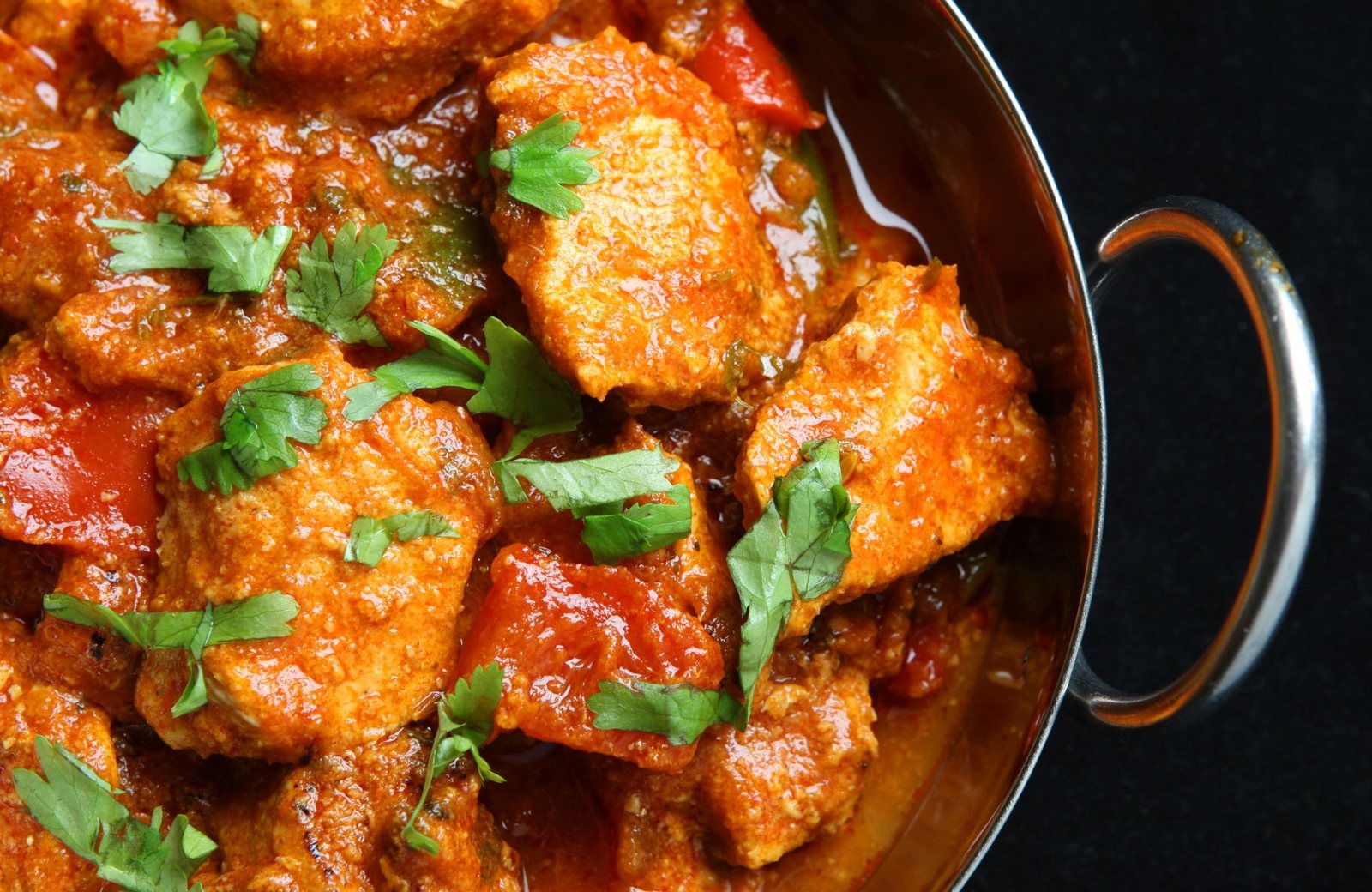
Annapurna 1
Restaurants · Käerjeng
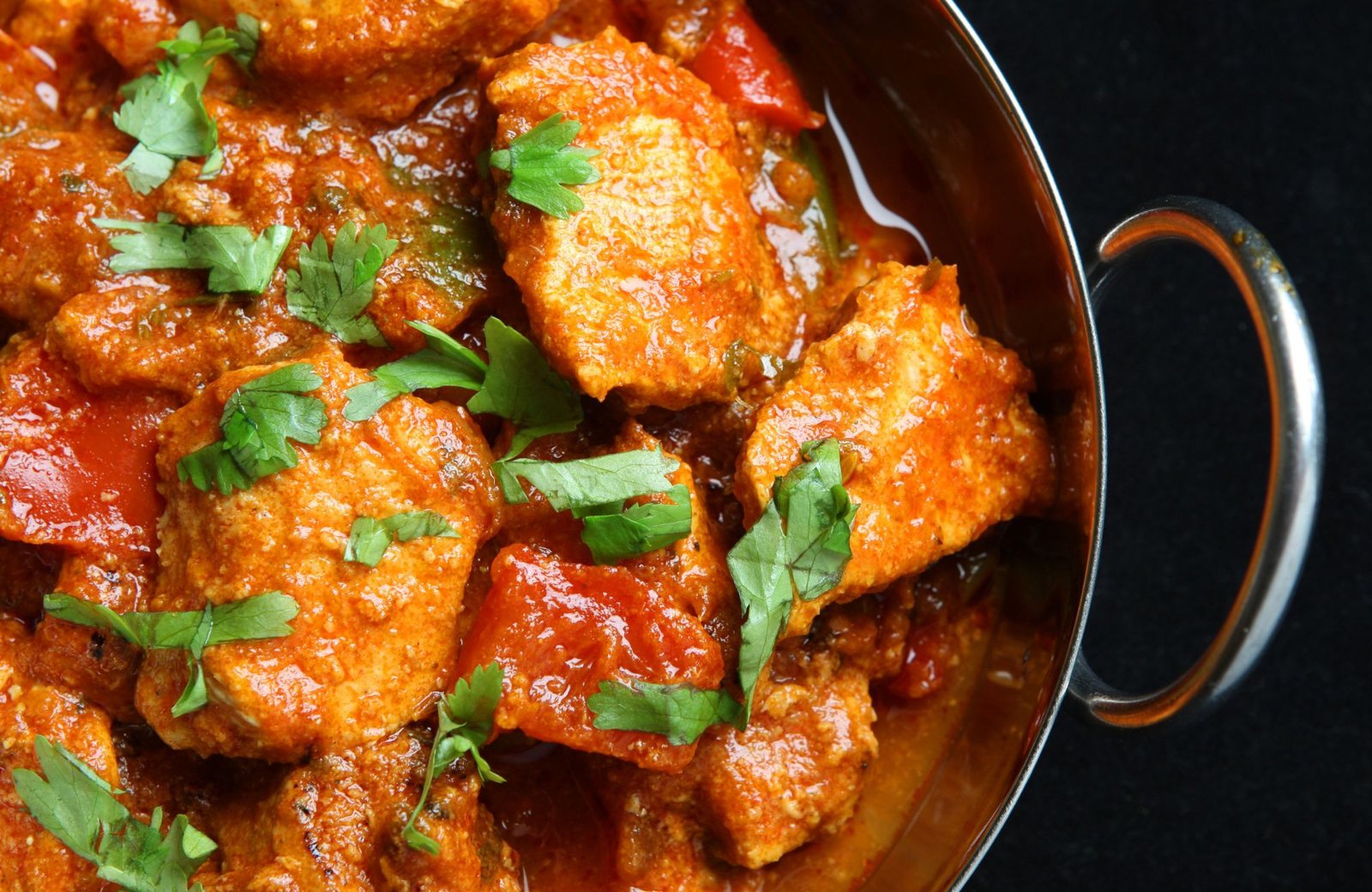
Annapurna 2
Restaurants · Foetz
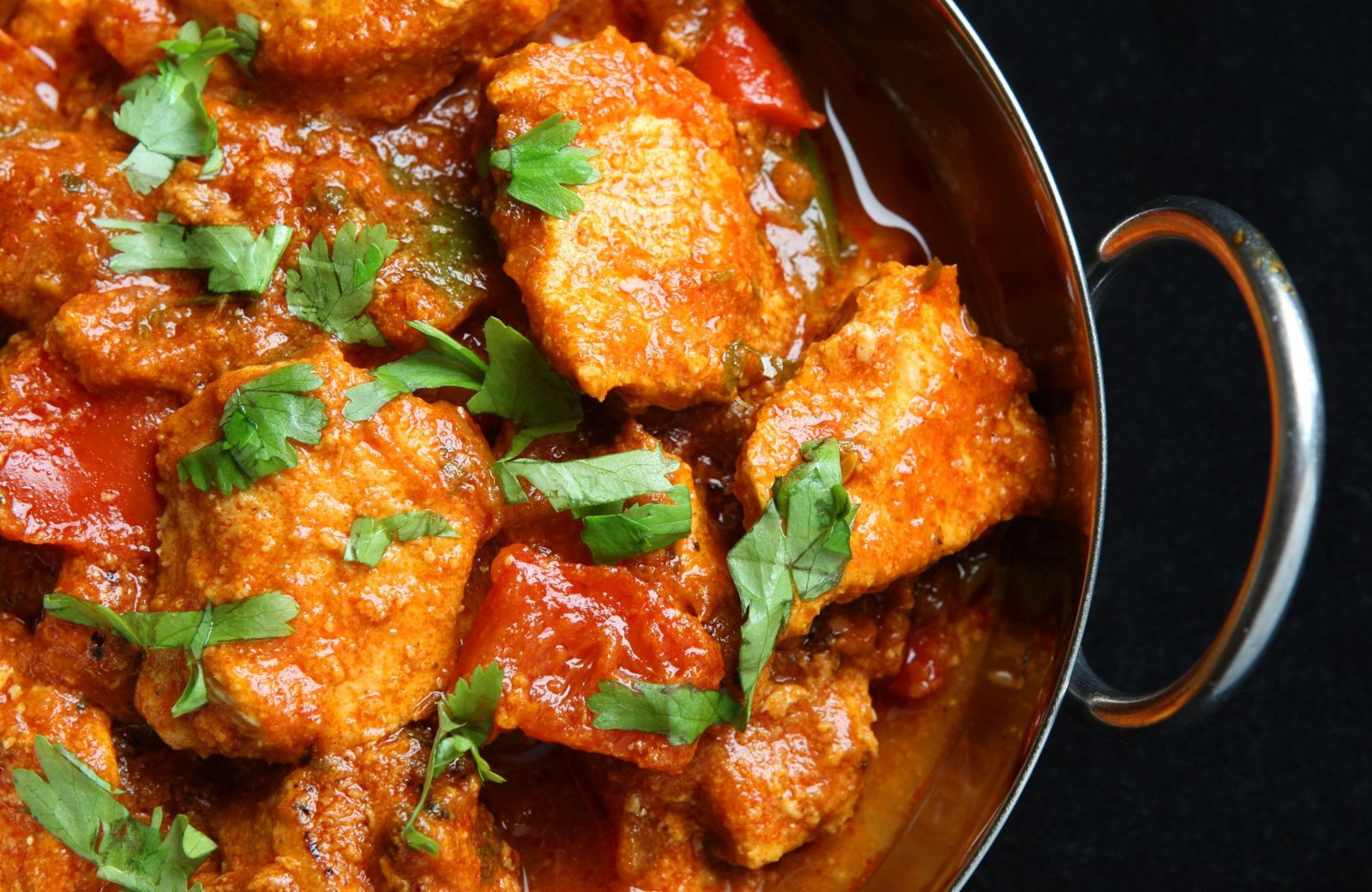
Annapurna 3
Restaurants · Mamer
Annapurna 5
Restaurants · Luxembourg City
Appayan
Restaurants · Luxembourg City
12.Temples, prayer centres and places of worship
Correct or addContents ↑Luxembourg has no purpose-built Hindu temple yet, no ISKCON centre and no gurdwara that we could confirm. What it has is the Hindu Forum Luxembourg, founded in September 2017 by Hindus from India, Nepal, Mauritius and Sri Lanka, which opened a Hindu centre at 219 rue de Beggen in Luxembourg-Beggen in 2018 — the venue for pujas, satsang and festival gatherings — and which is working toward a Shiva–Vishnu temple in the Grand Duchy or just across the German border. Most families keep puja at home and travel for the big days: Radhadesh, ISKCON's château in the Belgian Ardennes, is about an hour and a half by road, and the temples of Brussels and the Rhineland are two hours.
South Asian Muslims use the Le Juste Milieu mosque in Bonnevoie and the Centre Culturel Islamique du Luxembourg in Mamer, the country's oldest and largest (since 1984); Eid prayers fill both. Indian Christians will find English-language Catholic and Protestant congregations in the city; a Malayalam-language Mass is best asked of the Luxembourg Malayali Association or the Syro-Malabar chaplaincy in Belgium and Germany. For a pandit for a house puja, a naming or a wedding, the Hindu Forum's centre is the practical route.
13.Associations, festivals and the community year
Correct or addContents ↑Luxembourg's Indian associations are old for the size of the community and unusually well connected to the state — the Indian Association Luxembourg's Diwali has been held in the Cercle Cité on the Place d'Armes, in Luxexpo and at Neumünster Abbey, with ministers in attendance.
| Association | Who | What it does |
|---|---|---|
| Indian Association Luxembourg (IAL, since 1991) | Pan-Indian; presided since 2023 by Sahil Goel | India Day, the Diwali Gala (8 November 2025, Cercle Cité — "35 years of Diwali"), Yoga Day, newcomer networking; ial.lu |
| Indian Arts and Cultural Association of Luxembourg (IACAL) | Culture | The Holi Festival of Colours — 10 May 2026 in the Parc Gerlache, Differdange |
| Luxembourg Malayali Association | Malayalis | Onam, Kerala arts workshops |
| Telugu Association of Luxembourg (TAL) | Telugus | Sankranthi, Ugadi; telugusangam.lu |
| Tamil Sangam Luxembourg | Tamils | Pongal, Tamil New Year |
| Luxembourg Durgotsav Association · LuxUtsav | Bengalis | Two Durga Pujas each October |
| Hindu Forum Luxembourg (since 2017) | Hindus of every origin | The centre at 219 rue de Beggen; the temple project |
| Indian Business Chamber of Luxembourg (IBCL, since 2009) | Business | Its own Diwali Gala, trade events |
| LuxInDancers asbl | Dance | Bollywood, kuthu, semi-classical, garba and bhangra classes at Dance Factory and Belval; children's batches |
| NRNA Luxembourg · Pakistan Association Luxembourg | Nepali and Pakistani communities | Dashain and Tihar; Eid gatherings |
The festival year
Dates for the coming season are on the festival calendar, with every event posted near you. The Luxembourg shape of it: Pongal and Sankranthi with the Tamil and Telugu associations in January; Holi in Differdange in May; Yoga Day and India Day with the IAL in the summer; Onam with the Malayali Association in September; Durga Puja in October; the IAL Diwali Gala and the IBCL's Diwali in November around Diwali itself (8 November 2026); Dashain and Tihar with the NRNA. The Brussels Diwali Festival at the Atomium (24–25 October 2026) is two and a half hours by train and many Luxembourg families make the trip.
Cricket, cinema, dance
The Luxembourg Cricket Federation runs outdoor and indoor leagues; the Optimists Cricket Club (since 1976) owns the national ground, the Pierre Werner Cricket Ground in Walferdange, and Star Cricket Club (since 1997) is the second club. Kinepolis Luxembourg on Kirchberg has a standing "Indian Movies" programme. LuxInDancers teaches the dances; the University of Luxembourg's campus-life programme runs Bollywood free-style classes.
14.WhatsApp groups, and why to start your Luxembourg journey on Namaste Community
Correct or addContents ↑Every Indian who has moved abroad has the same first move: find the WhatsApp group. Luxembourg has them — the "Indians in Luxembourg" groups that split as they grow, the Malayali and Telugu and Tamil ones, the funds-industry job groups, the flat-hunting group, the cricket group — and they are how a community of six thousand has always run. This guide is not going to pretend otherwise.
What the groups are good at, and what they are not
They are fast and warm: ask at nine in the evening whether the Bierger-Center still takes walk-ins for the arrival declaration and somebody who did it last week will answer before ten. But you need to know somebody to get the link; the links that circulate are stale, and the live ones are where the "guaranteed job in a fund" and "cheap OCI service" scams start. A group of 800 people has no moderator, so the same three questions are asked every week and the answers scroll away. Every member can see your phone number. And a group does not know where you live: the flat in Esch and the garba in Brussels arrive with the same weight as the one in Bonnevoie.
What Namaste Community does instead
Namaste Community is a free app, built in the Benelux by members of this community, that keeps what the groups do well and fixes the rest. It launched in Belgium, the Netherlands and Luxembourg and works in every country — so it is also the answer when a fund moves you to Dublin or Frankfurt.
- Everything is ranked by distance from you — events, groups, questions, businesses and things for sale, within 10, 50, 100 or 200 km, your choice — which in a country this size means the whole Grand Duchy and the border towns.
- Groups with a place and a moderator, joined by people within their radius, with polls, join modes and a member limit; your phone number is never shown, and you can post under your name or an anonymous handle.
- Ask, and the answer stays: the question about the Blue Card threshold, the licence conversion or a Hindi-speaking paediatrician is answered once, in a thread the next person finds.
- A directory with reviews of grocers, restaurants, tailors, tutors, accountants and driving schools, listed free by the businesses themselves.
- The events calendar — every Diwali gala, Holi, Onam sadya, Durga Puja and cricket match near you, imported daily and moderated, with an RSVP; the same calendar behind the festival pages.
- Marketplace and rooms from members near you — furniture, a spare room in Gasperich, a car seat.
- Verified members, moderation, and a report button on everything.
Your first week in the app
- Install it, sign in, set your location and a 50 km radius — Luxembourg is small. Get the app for iPhone or Android.
- Join the general Luxembourg group and the one for your language or interest. Read before you post.
- RSVP to one event in the next fortnight — a puja at the Beggen centre, a cricket practice, a gala.
- Ask the question you actually have, and say which commune you are in.
- When you have found your flat, your GP and your grocer, leave a review or an answer for the next person from Chennai or Kathmandu.
The groups across Luxembourg are listed below, ranked by how active they are. If the one you need does not exist yet, start it: it takes a minute, and it shows up here for the next person searching.
Local groups in Luxembourg
All groups →15.Nepali, Sri Lankan, Pakistani and Bangladeshi neighbours
Correct or addContents ↑Luxembourg's South Asian community is Indian first, Nepali second — several hundred Nepali nationals, many of them in the restaurants that carry both cuisines — with smaller Pakistani, Bangladeshi and Sri Lankan groups that the statistics office does not break out separately. All four countries are covered from Brussels: the embassies of Nepal (Avenue Brugmann 210), Sri Lanka (Rue Jules Lejeune 27), Pakistan (Avenue Delleur 57) and Bangladesh (Rue Jacques Jordaens 29) are accredited to Luxembourg, two and a half hours away by train, and their contacts are in the Belgium guide.
- Nepali: the NRNA Luxembourg chapter organises Dashain, Tihar and Teej; the Hindu Forum's centre in Beggen was founded with Nepali members and serves both communities; Namaste, Himalaya, Sikkim, Jay Nepal and Diyalo are Nepali-run kitchens. One difference from India: a Nepali driving licence cannot be converted in Luxembourg (Nepal is not party to the road-traffic conventions on the list), so Nepali newcomers sit the theory and practical exams.
- Pakistani: the Pakistan Association Luxembourg, the Bonnevoie and Mamer mosques, and the cricket league; Pakistani licences, like Indian ones, can be converted.
- Bangladeshi and Sri Lankan: no association of their own that we could confirm; the Bengali Durga Puja associations and the Tamil Sangam are where Bangladeshi Bengalis and Sri Lankan Tamils respectively find their festivals.
Everything on this page about the visa D route, the CNS, the CSA, the free transport and the housing rules applies identically to all of them; the differences are the embassy, the festival calendar and the licence rule.
16.The Indian consular desk in Bonnevoie, and the embassy in Brussels
Correct or addContents ↑India's embassy for Luxembourg is the Embassy of India in Brussels (Chaussée de Vleurgat 215–217, Ixelles), which is accredited to Belgium, Luxembourg and the EU and processes every passport, OCI, police clearance certificate and attestation. Luxembourg residents do not have to travel there for most things: the Honorary Consulate General of India in Luxembourg — Honorary Consul General Selvaraj Alagumalai, appointed in April 2025 — runs a consular desk at The Paladium, 10A rue du Puits, L-2355 Luxembourg-Bonnevoie, open Wednesday and Thursday from 13:00 to 17:00 only, which accepts passport, visa and OCI applications with their fees and returns the finished documents; the decisions are taken in Brussels, so allow the embassy's processing time plus the courier. Fill the application on the Passport Seva or OCI portal first and bring the originals the checklist asks for; OCI biometrics are captured in person. Contact: consularservices.lux@gmail.com. For anything urgent — a lost passport before a flight, a death — the Brussels consular page lists after-hours emergency numbers.
Visas to India for Luxembourg residents who are not Indian citizens go through VFS Global in Brussels (Chaussée de Louvain 467, Schaerbeek) or the e-Visa. The embassy administers the Indian Community Welfare Fund for nationals in distress and asks students to register on the MADAD grievance portal; register on the embassy's community list when you arrive so the annual events and any emergency notices reach you.
Questions people ask
- How many Indians live in Luxembourg?
- STATEC counted 5,728 Indian nationals on 1 January 2026 — the second-largest non-European community after Ukrainians — up from fewer than 2,000 in 2017, and about 6,000 including the 700–800 who have taken Luxembourgish nationality. India’s Ministry of External Affairs counts 6,037 overseas Indians as of January 2026. Indians were among the ten nationalities with the highest net migration in 2025.
- How do I get a work permit for Luxembourg from India?
- Since 1 October 2026 you apply for a long-stay visa D directly, at the VFS centre for the Luxembourg Embassy in New Delhi (€50), with your contract and either an ADEM certificate (5 days for a shortage occupation) or, for an EU Blue Card, a salary of at least €65,652; the separate temporary authorisation to stay has been abolished for new applications. Then declare your arrival at the commune within 3 days, pass a medical check with TB screening, and apply for the residence permit (€80).
- What is the EU Blue Card salary threshold in Luxembourg in 2026?
- €65,652 gross a year for applications filed from 3 March 2026 (up from €63,408), with a contract of at least six months and a higher-education degree (or three years’ relevant IT experience — check the current wording). There is no labour-market test and no reduced threshold for shortage occupations; the card is valid four years and the fee is €80.
- Can I drive in Luxembourg with an Indian driving licence?
- Yes, and you can convert it. A non-EEA licence stays valid for twelve months after you take up residence and must be converted within that year; India is on Luxembourg’s list of countries party to the road-traffic conventions, so an Indian licence is exchanged for €30 with a medical certificate, and the practical test is waived for category B. A Nepali licence cannot be converted.
- How much is rent in Luxembourg City in 2026?
- About €1,985 a month for a one-bedroom in the centre and €1,777 outside, €2,721–3,215 for a three-bedroom (Numbeo, September 2026); asking rents nationally reached about €31 per square metre in March 2026. The deposit is capped at two months’ rent and agency fees are split 50/50 since August 2024. Many families live across the border in Arlon, Thionville or Trier at 40–60% less.
- Is public transport really free in Luxembourg?
- Yes. Since 1 March 2020 all buses, trams and second-class trains are free nationwide with no ticket or card; only first-class train seats and journeys beyond the border are paid. The tram runs from the airport through Kirchberg and the centre to the Cloche d’Or, and trains reach Esch, Arlon, Thionville, Metz and Trier in under an hour.
- What does the impatriate tax regime give me?
- For employees recruited from abroad from tax year 2025 on a base salary of at least €75,000 who were not tax-resident in Luxembourg or within 150 km of its border in the previous five years: 50% of gross pay is exempt from income tax, up to €400,000 of pay (so up to €200,000 exempt), for eight years. Social contributions remain due on the whole salary. The employer must apply — ask for it in the offer.
- Is childcare and schooling free in Luxembourg?
- Largely. The chèque-service accueil gives every child aged one to four 20 free crèche hours a week, and after-school care from four to twelve is free in term time from 07:00 to 19:00. Public schools are free but trilingual (Luxembourgish, German, French), so the state runs six tuition-free public international schools in English, French and German sections; the private International School of Luxembourg and St George’s charge about €15,000–23,000 a year.
- Where do I renew an Indian passport or get an OCI card in Luxembourg?
- At the Honorary Consulate General of India’s desk at The Paladium, 10A rue du Puits, Luxembourg-Bonnevoie, open Wednesday and Thursday 13:00–17:00 only, which takes passport, visa and OCI applications and fees and returns the documents; everything is decided and processed by the Embassy of India in Brussels, which is accredited to Luxembourg. Fill the online application first and bring the originals.
- Is there a Hindu temple in Luxembourg?
- Not a purpose-built one yet. The Hindu Forum Luxembourg, founded in 2017 by Hindus from India, Nepal, Mauritius and Sri Lanka, runs a Hindu centre at 219 rue de Beggen in Luxembourg-Beggen for pujas and festivals and is working toward a Shiva–Vishnu temple. ISKCON’s Radhadesh in the Belgian Ardennes is about ninety minutes away; there is no gurdwara in Luxembourg that we could confirm.
- Can I become a Luxembourg citizen and keep my Indian passport?
- Luxembourg allows naturalisation after five years of legal residence if you pass the Sproochentest (Luxembourgish speaking A2, listening B1) and the “Vivre ensemble” citizenship course, and it permits dual nationality. India does not, so an Indian who naturalises surrenders the Indian passport and applies for an OCI card. About 8,200 people took Luxembourgish nationality in 2025.
- Is this guide also for Nepali, Pakistani, Bangladeshi and Sri Lankan people?
- Yes. The visa D route, the CNS, the free transport, the childcare hours and the housing rules apply identically to every non-EU newcomer. The section on South Asian neighbours lists the NRNA Luxembourg and Pakistan Association, the Bonnevoie and Mamer mosques, the Nepali-run restaurants, the Brussels embassies that cover Luxembourg — and the one difference that bites: a Nepali driving licence cannot be converted, while Indian, Pakistani, Bangladeshi and Sri Lankan ones can.
Sources
The official pages this guide was checked against on October 3, 2026. When they and this page disagree, they win.
- STATEC — population on 1 January 2026statistiques.public.lu/en/actualites/2026/stn15-population-2026.html
- STATEC — STATNEWS 15/2026 (PDF)statistiques.public.lu/dam-assets/actualite/2026/stn15-26-population-2026/stn15-2026-population-2026-en.pdf
- Ministry of External Affairs — population of overseas Indians (January 2026)www.mea.gov.in/population-of-overseas-indians
- Paperjam — the Indian community is one of the fastest-growing in Luxembourg (Sep 2026)en.paperjam.lu/article/the-indian-community-is-one-of-the-fastest-growing-ones-in-luxembourg
- Guichet.lu — salaried worker from a third country (new procedure, 1 Oct 2026)guichet.public.lu/fr/citoyens/immigration/vivre/non-luxembourg/immigration/pays-tiers/salarie/salarie-pays-tiers.html
- Guichet.lu — EU Blue Card (highly qualified worker)guichet.public.lu/fr/citoyens/immigration/vivre/non-luxembourg/immigration/pays-tiers/hautement-qualifie/salarie-hautement-qualifie.html
- MAEE — visa and immigration: the 1 October 2026 reformmae.gouvernement.lu/fr/services-aux-citoyens/visa-immigration.html
- Embassy of Luxembourg, New Delhi — long-term national visanewdelhi.mae.lu/en/service_citoyens/visa-immigration/long-term-national-visa.html
- Guichet.lu — student from a third countryguichet.public.lu/en/citoyens/immigration/plus-3-mois/ressortissant-tiers/etudiant/etudiant-pays-tiers.html
- Guichet.lu — staying in Luxembourg after studiesguichet.public.lu/en/citoyens/immigration/plus-3-mois/ressortissant-tiers/etudiant/sejour-luxembourg-apres-etudes.html
- Guichet.lu — long-term resident statusguichet.public.lu/en/citoyens/immigration/plus-3-mois/ressortissant-tiers/sejour-5-ans/statut-resident-longue-duree-ressortissant-pays-tiers.html
- Guichet.lu — Luxembourgish nationality by naturalisationguichet.public.lu/en/citoyens/citoyennete/nationalite-luxembourgeoise/acquisition/naturalisation.html
- Ministry of External Affairs — the OCI schemewww.mea.gov.in/overseas-citizenship-of-india-scheme.htm
- Forum CAI — the welcome and integration contractforum-cai.lu/?lang=en
- Ville de Luxembourg — Luxembourgish language and culture courseswww.vdl.lu/en/living/education-and-training/enrolling-courses-provided-city/luxembourgish-language-and-culture-courses
- CCSS — declaring a new employeeccss.public.lu/en/seculine/engagement-salarie.html
- CNS — nomenclatures and tariffscns.public.lu/en/assure/services-ligne/outils/nomenclatures.html
- Hôpitaux Robert Schumanwww.hopitauxschuman.lu/fr/
- Pharmacie.lu — duty pharmacieswww.pharmacie.lu/pharmacies/garde
- EPFO — social security agreement with Luxembourgwww.epfindia.gov.in/site_en/Operating_SSA.php?id=Grand-Duchy-of-Luxembourg
- Income Tax Department of India — DTAA with Luxembourgwww.incometaxindia.gov.in/DTAA/Comprehensive%20Agreements/108690000000000050.htm
- Guichet.lu — rental guarantee aidguichet.public.lu/en/citoyens/aides/logement-construction/aides-logement/garantie-locative.html
- Guichet.lu — rent subsidyguichet.public.lu/en/citoyens/aides/logement-construction/aides-logement/subvention-loyer.html
- atHome — Q1 2026 rental barometerwww.athome.lu/blog/en/real-estate-market/q1-2026-rents-under-pressure-and-selling-prices-on-a-downward-trend/
- Numbeo — cost of living in Luxembourg (September 2026)www.numbeo.com/cost-of-living/in/Luxembourg
- Just Arrived — the property market and priceswww.justarrived.lu/en/informations-thematiques/logement-luxembourg/marche-prix-immobilier
- Guichet.lu — the social minimum wageguichet.public.lu/en/entreprises/ressources-humaines/remuneration/paiement-remunerations/salaire.html
- Guichet.lu — annual leaveguichet.public.lu/en/citoyens/travail/conges-jours-feries/annuel/conge-legal-annuel.html
- PwC — Luxembourg individual taxes on personal incometaxsummaries.pwc.com/luxembourg/individual/taxes-on-personal-income
- Pluxee — meal vouchers in Luxembourgwww.pluxee.lu/en/lunch-vouchers-luxembourg-guideline/
- Chamber of Commerce — Luxembourg and India, ties that bind (PDF)www.cc.lu/fileadmin/user_upload/cc.lu/Fiches_pays/Luxembourg___India_-_Ties_that_bind.pdf
- Indian Business Chamber of Luxembourgibcl.lu/
- Transports publics — free public transporttransports.public.lu/en/se-deplacer/transports-publics/mobilite-gratuite.html
- Transports publics — tram network extensionstransports.public.lu/en/planifier/projets-et-chantiers-en-cours/extensions-reseau-tram.html
- Etihad — Luxembourg–Abu Dhabi from October 2026www.etihad.com/en/news/etihad-airways-to-make-history-as-first-middle-east-airline-to-fly-to-luxembourg
- Guichet.lu — countries party to the road-traffic conventions (licence conversion list, PDF)guichet.public.lu/dam-assets/catalogue-pdf/transports-mobilite/permis-conduire-etranger/liste-pays-signataires-convention-circulation.pdf
- Guichet.lu — chèque-service accueilguichet.public.lu/en/citoyens/famille/enfants/garde-enfants/cheque-service-accueil.html
- Ministry of Education — the school offermen.public.lu/en/systeme-educatif/fondamental/offre-scolaire-organisation/offre-scolaire.html
- International School of Luxembourg — school feeswww.islux.lu/admissions-isl/school-fees
- St George’s International School — school feeswww.st-georges.lu/school-fees
- University of Luxembourg — Bollywood free-style classeswww.uni.lu/life-en/classes-workshops/bollywood-indian-free-style-classes/
- Embassy of India, Brussels — honorary consul general in Luxembourgindianembassybrussels.gov.in/hcg.php
- Indian Association Luxembourgial.lu/
- Chronicle.lu — IAL Diwali Gala 2025www.chronicle.lu/event/13663-ial-diwali-gala
- Chronicle.lu — IACAL Holi Festival of Colours 2026www.chronicle.lu/event/14208-iacal-holi-festival-of-colours
- Luxembourg Malayali Associationluxembourgmalayali.lu/about-us/
- Telugu Association of Luxembourgtelugusangam.lu/about-us.html
- Tamil Sangam Luxembourgwww.tamilsangam.lu/
- Chronicle.lu — Luxembourg Durgotsav Associationchronicle.lu/category/clubs-associations/56889-luxembourg-durgotsav-association-to-celebrate-durga-puja
- Hindu Forum — opening of the Hindu Forum of Luxembourg centrehindu-forum.be/opening-of-the-new-centre-of-hindu-forum-of-luxembourg/
- Shoura — the Islamic cultural centre in Mamershoura.lu/en/the-visit-to-the-islamic-cultural-center-of-luxembourg-in-mamer/
- Euro-Indian Market — contactwww.euroindianmarket.lu/contact-us
- S.K Cash & Carry (indianstore.lu)indianstore.lu/
- Tandoori Market (onlinestore.lu)onlinestore.lu/
- Luxtoday — Indian restaurants in Luxembourgluxtoday.lu/en/knowledge/indian-restaurants-in-luxembourg
- Kinepolis Luxembourg — Indian movieskinepolis.lu/en/movie-categories/indian-movies/
- LuxInDancerswww.luxindancers.com/kids-batch
- Luxembourg Cricket Federationluxembourgcricket.org/
- Lux-Nepal — Association Luxembourg-Népallux-nepal.org/
Everything in Luxembourg that this page cannot keep current — events this week, groups near you, businesses with reviews — is in the app, ranked by distance.
Namaste Community — the Indian expat community, near you. Free to join, works in every country.