Moving & living guide · Japan
Indians in Tokyo: the 2026 guide to Nishi-Kasai, Kasai, Funabori, Toyosu, Shinjuku, Minato and the rest of the city
About 67,000 overseas Indians live in Japan — 66,887 in the Indian Ministry of External Affairs’ estimate for January 2026, a national figure — and the Tokyo Metropolitan Government’s resident register counted 20,003 Indian nationals in Tokyo on 1 January 2026, 8,248 of them in Edogawa ward around Nishi-Kasai, where Diwali Festa Nishikasai is on Saturday 7 November 2026. The rest live mainly in Koto (4,239), Taito, Setagaya and Minato, with the Indian schools in Koto and Edogawa, the ISKCON temple at Funabori and the Embassy at Kudan-Minami. Within 14 days of moving in you must file a moving-in notification at the ward office, which starts your My Number, and join National Health Insurance there unless your employer insures you; the insurance pays 70% of a medical bill. This guide covers rents by area (a Nishi-Kasai one-bedroom-plus-living-room averages ¥122,100 in October 2026), fares, schools, groceries, temples, associations, flood and earthquake preparation and the Embassy, with the visa rules left to the Japan jobs guide.
About 67,000 overseas Indians (Indian citizens and people of Indian origin) live in Japan: 66,887 in the Indian Ministry of External Affairs’ estimate for January 2026. That is a national figure, not one for Tokyo alone. Source: Ministry of External Affairs, Government of India — population of overseas Indians
1.Tokyo at a glance
Correct or addContents ↑Tokyo is a city of 14,077,552 registered residents, counting the whole Tokyo Metropolis on 1 January 2026: 13,293,851 Japanese and 783,701 foreign nationals, 62,478 more foreigners than a year earlier (up 8.66%). The 23 wards, which is what most people mean by "Tokyo", have 9,796,723 residents; the rest live in the cities, towns and islands of western Tokyo.
Indians are a small group in that picture, and the numbers come from three places that count different things. The site's own population line for Japan is: about 67,000 overseas Indians (Indian citizens and people of Indian origin) live in Japan, 66,887 in the Indian Ministry of External Affairs' estimate for January 2026 — 65,126 Indian citizens and 1,761 people of Indian origin. That is a national figure, not one for Tokyo alone. Japan's Immigration Services Agency (ISA) counted 58,999 Indian nationals holding a residence status at the end of 2025, the 13th-largest foreign group and 9.3% more than a year earlier, and 21,224 of them in Tokyo. The Tokyo Metropolitan Government's resident register, which counts people with an address, found 20,003 Indian nationals in Tokyo on 1 January 2026: 8,248 in Edogawa ward, where Nishi-Kasai is, and 4,239 in Koto ward. These counts leave out short-stay visitors and anyone who has become Japanese, and the two Japanese ones differ because the ISA counts residence-card holders by prefecture while the Metropolis counts registered residents by address.
| Essential (2026) | Where / what |
|---|---|
| Population | Tokyo Metropolis 14,077,552, of whom 783,701 foreign nationals (1 January 2026) |
| Indians | 20,003 Indian nationals in Tokyo (resident register, 1 January 2026); 8,248 in Edogawa, 4,239 in Koto |
| Indians in Japan | About 67,000 overseas Indians (Indian Ministry of External Affairs estimate, January 2026); 58,999 Indian nationals with a residence status (ISA, end of 2025) |
| Rents (At Home, 23 October 2026) | Nishi-Kasai one-bedroom-plus-living-room ¥122,100 and two-bedroom-plus-living-room ¥152,900; one-bedroom-plus-living-room at Toyosu ¥192,400, around Shinjuku ¥204,400 and in Minato ward ¥275,600 |
| Moving in | Deposit and key money are each usually one to two months' rent, plus an agency fee of about one month (Edogawa City); UR housing charges neither key money nor an agency fee |
| Trains | Tokyo Metro and Toei subway from ¥180 by ticket, ¥178 by IC card; JR East fares rose on 14 March 2026 |
| Health insurance | Pays 70% of a medical bill (you pay 30%; 20% for children under six) |
| Pension | National Pension ¥17,920 a month in fiscal 2026 for those not enrolled through an employer |
| Minimum wage | ¥1,280 an hour in Tokyo from 1 October 2026 |
| Diwali 2026 | Sunday 8 November; Diwali Festa Nishikasai on Saturday 7 November, 10:00–16:30, Takino Park |
| Embassy of India | 2-2-11 Kudan-Minami, Chiyoda; passport and OCI applications on weekday mornings with no appointment |
| Emergencies | 119 for fire and ambulance (English-speaking staff), 110 for police |
The visa and work-permission rules — which status you hold, how the Engineer/Specialist status and the points system work — belong to a national guide, and this page only summarises them under work. This page is about the city. The Indians in Japan page gathers the events, groups, businesses and city pages across the country.
2.The community, and where it lives
Correct or addContents ↑Indian Tokyo is a community of about 20,000 registered nationals in a metropolis of 14 million, and a concentrated one. Of the 20,003 Indian nationals in the Metropolis's register, 62% live in two wards east of the Sumida River, Edogawa (8,248) and Koto (4,239); another 1,633 are spread across the 26 cities of western Tokyo, and each of the other 21 wards has between 69 and 804. Nationally the pattern is the same: Tokyo, Kanagawa, Chiba and Saitama hold 35,142 of Japan's 58,999 Indian nationals, or 60%, and the ISA's table for 31 December 2025 puts Kanagawa at 7,946, Chiba at 3,068 and Saitama at 2,904 beside Tokyo's 21,224.
The numbers we have
| Measure | Figure | Source |
|---|---|---|
| Overseas Indians in Japan | About 67,000 (66,887: 65,126 citizens and 1,761 people of Indian origin) | Indian Ministry of External Affairs, January 2026 |
| Indian nationals in Japan | 58,999 at the end of 2025 (53,974 in 2024, 48,835 in 2023, 21,654 in 2012) | ISA |
| Indian nationals in Tokyo | 21,224 at the end of 2025 | ISA, table by prefecture |
| Indian nationals in Tokyo | 20,003 on 1 January 2026; 18,354 in the 23 wards | Tokyo Metropolitan Government, resident register |
| Share of Tokyo's foreign residents | 2.6% (20,003 of 783,701) | Tokyo Metropolitan Government |
| Edogawa ward | 8,248 Indian nationals, 15.6% of the ward's 52,771 registered foreigners | Tokyo Metropolitan Government |
| Nepali nationals in Tokyo | 63,281 on 1 January 2026, three times the Indian figure | Tokyo Metropolitan Government |
The ISA series shows how recent the community is. Indian nationals grew from 21,654 in 2012 to 40,202 in 2019, fell to 36,058 in 2021 during the pandemic, and have risen every year since: 43,886 in 2022, 48,835 in 2023, 53,974 in 2024 and 58,999 in 2025.
History: Kobe and Yokohama first, Nishi-Kasai after 1998
The oldest Indian settlement in Japan is not in Tokyo. According to the Wikipedia article on Indians in Japan, which cites Azuma (2008) and Sawa and Minamino (2007), Japanese statistics counted 30 people from British India in 1901, and the Oriental Club was founded in Kobe in 1904; renamed The India Club in 1913, it is still on the Embassy's list of associations. After the Great Kanto earthquake of 1923 destroyed Yokohama, Indian traders moved to Kobe, which became the centre of the community; Hyogo prefecture had 632 Indians in 1939 and 114 in 1942, after the wartime restrictions on shipping and trade. Sindhi families settled in Yokohama, Okinawa and Kobe and, according to a 2009 study by the National Museum of Ethnology, had their own temples there. Before 1990 the community stayed centred on Kobe; after 1990 the numbers in Tokyo rose sharply.
The Tokyo community of 2026 is mostly the result of one wave. At the end of the 1990s the Year 2000 computer problem created a shortage of programmers in Japan, and Japanese companies recruited IT engineers from India; Hosei University's 2017 study of Nishi-Kasai records that Japan relaxed visa requirements for IT cooperation in 2000 and that the number of Indians in Japan rose across the country afterwards. A travel guide dates the first engineers' arrival in Nishi-Kasai to about 1998 and explains why they chose it: most worked for banks and securities houses in Kayabacho and Otemachi, about 15 minutes away on the Tozai Line without a change; the station had opened only in 1979, there were few long-time residents and rents were low. The Tokyo Metropolitan Government's own visitor site gives the same opening year and says many of the engineers arrived around the Millennium Bug of 1999–2000. Metropolis magazine adds that many newcomers were refused by landlords and spent their first months in hotels or "weekly mansions", until Jagmohan Chandrani, one of the first Indian settlers, began introducing them to local estate agents. The Hosei study says an Indian association formed after 2000 as a volunteer group with a mailing list for information on daily life, schooling and medical care, and that it helped to start the Diwali festival. That association is now the Indian Community of Edogawa, which the Embassy lists with Chandrani as chairperson.
Institutions followed the people. The India International School in Japan opened in 2004, the Global Indian International School in Edogawa in the mid-2000s, and in July 2011 the ISKCON temple at Funabori installed its deities. Earlier IT arrivals had settled mainly in Setagaya and Minato wards, according to the same Wikipedia article, and in 2019 Yogendra Puranik won a seat on Edogawa's ward assembly, reported as the first election win by an Indian national in Japan.
Where Indians actually live
| Ward | Indian nationals, 1 January 2026 | Why |
|---|---|---|
| Edogawa | 8,248 | Nishi-Kasai, Kasai, Funabori: the Tozai and Toei Shinjuku lines, the Global Indian International School, the Indian Community of Edogawa, ISKCON |
| Koto | 4,239 | Toyosu, Toyocho, Kiba, Monzen-Nakacho: the Tozai Line again, and the IISJ campus |
| Taito | 804 | Includes Okachimachi, Tokyo's jewellery-trading district; the Embassy lists an Indian Jewelers Association of Japan |
| Setagaya | 630 | One of the two wards where the IT arrivals of the 1990s settled, according to Wikipedia |
| Minato | 522 | The other of those two wards |
| Ota | 439 | The ward that contains Haneda airport |
| Shinjuku | 302 | The ward with the most Nepali residents (5,592), far more than Indian ones |
Shinagawa (370), Adachi (338) and Chuo (294) come next. The right-hand column is descriptive, not statistics; the register publishes only the counts. Nishi-Kasai and the Tozai Line stations of Koto are residential, and the Tozai Line ties them to the offices of Otemachi, Nihombashi and Kayabacho.
Who they are, and where they come from
No Japanese statistic records an Indian's state or language. The strongest evidence is the Embassy of India's list of 59 recognised associations, which includes Tamil, Telugu, Kannada, Malayali, Marathi, Bengali, Odia, Assamese, Bihari and Jharkhandi, Rajasthani, Uttarakhandi and Madhya Pradesh groups, a Sikh gurdwara association and several professional bodies, and the languages of Edogawa's foreign-resident desk, where staff speak Hindi on Tuesday to Friday. By status, the ISA's table for the end of 2025 shows a professional and family community: 14,567 Indians on the Engineer/Specialist in Humanities/International Services status, 13,367 dependants, 10,084 permanent residents, 2,487 students and 1,874 on Designated Activities. The Wikipedia article ties Jains, many of them in the jewellery trade, to an occupation, and records that IT professionals settled first.
3.Your first two weeks in Tokyo
Correct or addContents ↑Japan's paperwork follows a fixed order, and most of it is done at the ward office where you live. This is the order, using Edogawa as the example; the other wards run the same national system with different counters.
- Your residence card. Landing at Narita, Haneda, Chubu, Kansai, New Chitose, Hiroshima or Fukuoka, the card is issued at the airport; at any other port of entry it is posted to your home after you file the moving-in notification below, and your passport stands in until then. Anyone aged 16 or over must carry the card at all times, according to the ISA's guidebook.
- The moving-in notification, within 14 days. Once you have an address, you must register it at the ward office within 14 days. In Edogawa you can do this at the Citizen Affairs Division of the ward office or at the branch office nearest you; the Kasai Office, one of five, covers the Kasai area, which had 257,644 residents on 1 September 2026, 22,834 of them foreign. Bring your residence card (or passport), and for a family the marriage and birth certificates. The notification updates the address printed on your card, creates your resident record, and starts the notice of your 12-digit Individual Number, the "My Number".
- A My Number card. Apply once you have an address; the first application is free. It works as an ID, as a way to get your certificate of residence at a convenience store in most municipalities, and as a health insurance card. Its validity ends when your period of stay does and is not extended automatically when you renew, so go back to the ward office after each renewal.
- Health insurance, the same week. If your employer enrols you in Employees' Health Insurance, the premium is taken from your pay. Otherwise — students, the self-employed, a spouse not covered as a dependant, someone between jobs — you must join National Health Insurance at the ward office if you are registered and will stay three months or more. Premiums depend on the household's size and the previous year's income; in Edogawa they are paid in ten instalments a year, normally by direct debit. More under health.
- Pension. Everyone aged 20 to 59 who lives in Japan is in the National Pension system. Employees are enrolled by their employer; the self-employed and students pay a flat ¥17,920 a month in fiscal 2026 and enrol at the ward office. A non-Japanese who has paid into the pension for at least six months but less than ten years in total can claim a lump-sum withdrawal within two years of leaving Japan. The Embassy keeps reference material for the India–Japan social security agreement on its site.
- A bank account. Japan Post Bank is the usual first account: foreign nationals open it with a residence card, and in its smartphone app the card must have more than three months left and show your current address. In the first six months after entering Japan you are treated as a non-resident for remittances, and you ask at a post office to be switched after six months. Other banks usually ask for the residence card, a seal (hanko) or sometimes a signature, and an employee or student ID.
- A phone contract. A carrier will ask for a residence card, driving licence, Individual Number card or a passport that shows your current address, and you pay by credit card or a Japanese bank account. Beware of anyone who offers to take out a contract or a bank account for you: selling or transferring either is a crime in Japan, with up to a year in prison or a fine of up to ¥1 million for a bank account.
- A transit card. See getting around: PASMO or Suica, on the phone or a card, saves queuing at ticket machines.
- A flat, if you have not signed a lease. See neighbourhoods and renting: landlords want the residence card, an employment or enrolment certificate and a guarantor or guarantee company, and Metropolis reports that many Indian newcomers began in hotels and "weekly mansions" (short-let flats) while they looked.
- The ward's foreign-resident desk. Edogawa's desk answers questions in many languages by phone on 03-3877-3841, Tuesday to Saturday 10:00–16:30, and in person at the Multicultural Coexistence Centre in Tower Hall Funabori; Nepali is on the menu every day and Hindi from Tuesday to Friday.
4.Neighbourhoods and renting: Nishi-Kasai to Minato, and how a Tokyo lease works
Correct or addContents ↑Rent decides the area. At Home, a Japanese property portal, publishes rent pages for each station and ward built from its listings of the previous three months; the figures below are its pages as they stood on 23 October 2026, converted from its units of ten thousand yen. At Home does not say whether its averages include the monthly management fee, which Japanese listings usually print separately, so ask for the total. The official comparison is the Statistics Bureau's 2023 Housing and Land Survey, which is national and not Tokyo-only: it found an average rent of ¥59,656 a month for rented dwellings across Japan in 2023, ¥68,548 for private non-wooden flats and ¥71,831 for UR and public-corporation flats, up 7.1% since 2018. Tokyo's asking rents for current listings are not comparable with that average of all existing tenancies, but they show how much the area matters.
| Area (At Home, 23 October 2026) | 1K | 1LDK | 2LDK |
|---|---|---|---|
| Nishi-Kasai station (Edogawa; Tozai Line) | ¥78,100 | ¥122,100 | ¥152,900 |
| Kasai station (Edogawa; Tozai Line) | ¥73,900 | ¥114,900 | ¥148,200 |
| Funabori station (Edogawa; Toei Shinjuku Line) | ¥71,400 | ¥118,100 | ¥139,500 |
| Edogawa ward average | ¥70,500 | ¥109,100 | ¥137,800 |
| Toyocho station (Koto; Tozai Line) | ¥122,200 | ¥162,200 | ¥202,200 |
| Toyosu station (Koto; Yurakucho Line and Yurikamome) | ¥124,200 | ¥192,400 | ¥258,700 |
| Koto ward average | ¥121,100 | ¥166,400 | ¥219,200 |
| Shinjuku and Shinjuku-nishiguchi stations | ¥131,300 | ¥204,400 | ¥283,100 |
| Shinjuku ward average | ¥119,600 | ¥180,700 | ¥253,100 |
| Minato ward average | ¥133,100 | ¥275,600 | ¥435,400 |
Japanese floor plans are coded: the number is the count of separate rooms, K a kitchen, D a dining area and L a living room, so a 1K is one room and a kitchen, a 1LDK is a bedroom plus a living-dining-kitchen room, and a 2LDK has two bedrooms. Room size is counted in tatami mats, 1.8 by 0.9 metres each, so a "6-jo" room is six mats.
The areas
- Nishi-Kasai is the Indian neighbourhood: the Tozai Line station, the Indian groceries and restaurants listed under groceries, the Global Indian International School and the annual Diwali festival. A 1LDK averages ¥122,100 and a 2LDK ¥152,900 — between 54% and 60% of the Shinjuku station-area figures for the same layouts.
- Kasai and Funabori are the cheaper neighbours. Kasai, one stop east of Nishi-Kasai, averages ¥114,900 for a 1LDK; Funabori, on the Toei Shinjuku Line and home to the ISKCON temple, the Edogawa Multicultural Coexistence Centre and the Tower Hall, ¥118,100.
- Toyocho, Toyosu and the rest of Koto are the second centre, with 4,239 Indian nationals. Toyocho and Kiba are on the Tozai Line, and the India International School in Japan stands at Sengoku, a 12-minute walk from Toyocho station. A Toyocho 1LDK averages ¥162,200 and a Toyosu one ¥192,400.
- Shinjuku and Minato are the central wards. Shinjuku has only 302 Indian nationals but the most Nepali residents of any ward, and Minato has 522; a Minato 1LDK averages ¥275,600.
- Taito (Okachimachi and Ueno), Setagaya and Ota have several hundred Indian residents each: 804, 630 and 439.
Edogawa also has a practical disadvantage that no rent table shows: the ward's own flood map expects water to take more than two weeks to drain after a very large flood. Read the flood paragraph in safety before you sign, and ask the agent which floor the flat is on; since 28 August 2020, according to the ward's FAQ for estate agents, an agent in a property transaction must explain where the property sits on the flood hazard map before the contract.
How a Tokyo lease works
Edogawa City's guide to finding a home gives the standard costs. A typical lease asks for several payments on top of the rent: - Deposit (shikikin), usually one to two months' rent, kept against repairs and returned when you leave, less what the landlord uses. - Key money (reikin), a gift to the landlord by custom, usually one to two months' rent and not returned. Ask about it before you view. - An agency fee, about one month's rent, paid to the estate agent when the contract is made. - Prorated rent for the first part-month, and a renewal fee, about one month's rent, when you renew the contract. - A guarantor (rentai hoshonin) who answers for unpaid rent. Edogawa's guide says this is generally a third party, or in some cases a guarantee company that is paid a fee; a newcomer with nobody to ask in Japan will normally need the second, so ask what the fee is. - Screening (nyukyo shinsa): you show your residence card or passport and an employment or enrolment certificate, and the landlord or guarantee company decides.
At the first viewing, note every scratch and stain and have it written on the move-in condition sheet. At the end, tell the landlord by the date in the contract. Outside the private market, the ward's page points to Tokyo Metropolitan and ward housing, the Tokyo Metropolitan Housing Supply Corporation and UR, which have eligibility conditions.
UR housing
The Urban Renaissance Agency (UR) rents flats with four stated advantages: no key money, no brokerage fee, no renewal fee and no guarantor. Move-in costs are a two-month deposit plus the prorated rent and common-area fee. UR checks income instead of a guarantor: in its leaflet, dated September 2022, an individual renting below ¥62,500 a month needs a monthly income of four times the rent, ¥250,000 for rents from ¥62,500 up to ¥200,000, and ¥400,000 above that, with an advance-payment or savings option in place of the income test; you must hold a residence status UR accepts. Check the leaflet's figures with a UR shop before applying, since they are 2022 numbers. The Edogawa guide lists the UR Kinshicho sales centre for the ward.
Scams to expect
Whoever you rent from, pay a deposit only after you have seen the flat and read the contract, pay by bank transfer to the agency's company account and keep the receipt, and do not wire money from India for a room you have not seen. The ISA's guidebook separately warns against anyone who offers to sign a phone contract or open a bank account for you.
5.Getting around: Tokyo Metro, Toei, JR East and a transit card
Correct or addContents ↑Tokyo's trains are the fastest way to cross the city and the Indian neighbourhoods are on them: the Tozai Line links Nishi-Kasai, Kasai, Toyocho and Kiba in the east with Kayabacho, Nihombashi and Otemachi, then Takadanobaba and Nakano in the west; the Toei Shinjuku Line serves Funabori; the Embassy is a short walk from Kudanshita, which the Hanzomon, Shinjuku and Tozai lines all call at. Buses fill the gaps in Edogawa: the Toei bus route Shin-Ko 21 links Shin-Koiwa, Funabori and Nishi-Kasai stations, and the Kasai 24 route links Kasai and Funabori.
Fares in 2026
The shortest adult fares on Tokyo Metro and Toei are ¥180 by paper ticket and ¥178 with an IC card, and the examples in a February 2026 comparison by the transport site Traffic News show the pattern: the Ginza Line from Shimbashi to Ueno is ¥180 (¥178 by IC), the Marunouchi Line from Shinjuku or Ikebukuro to Tokyo is ¥210 (¥209), the Toei Mita Line from Meguro to Mita is ¥180 (¥178) and the Toei Oedo Line from Shinjuku to Daimon ¥220. The IC fare is a yen or two lower than the paper ticket.
JR East's fares did rise. On Saturday 14 March 2026 JR East made its first full fare revision since the privatisation of Japanese National Railways in 1987: an average of 7.1% overall, 7.8% on ordinary tickets and 12.0% on commuter passes, according to the Jiji news agency's report. The entry fare on the Yamanote Line went from ¥150 to ¥160, and the fare category for travel within the Yamanote loop was abolished, so some short trips rose far more than that; Tokyo to Shinjuku became ¥260 (up ¥50) and its monthly commuter pass ¥7,840 (up ¥1,550). The Traffic News comparison found the subway cheaper than JR on several routes: the Marunouchi Line is ¥50 cheaper from Shinjuku or Ikebukuro to Tokyo, and the Toei Mita Line ¥30 cheaper from Meguro to Tamachi.
The card
PASMO and Suica are the two prepaid IC cards used on trains, subways and buses around Tokyo. PASMO's English visitors page still carries its June 2023 notice that sales of ordinary (unregistered) Suica and PASMO cards are suspended, with no restart date, and adds that a Tourist PASMO for visitors was announced in April 2026, so a plain card may not be on sale at the machine in front of you. The practical alternative is a phone wallet: PASMO is offered with Apple Pay on an iPhone or Apple Watch, but PASMO says Android phones bought outside Japan are generally not compatible with Mobile PASMO and that the support is in Japanese only. Ask at a station office what is on sale, and what a commuter pass between your two stations costs, before you buy.
Cycling
If you cycle, the ISA's guidebook sets out five rules: ride on the roadway, on the left, with sidewalks only in exceptional cases or for children under 13 and adults of 70 and over; stop at signals and at stop lines; use lights at night; never ride after drinking; and wear a helmet. Riding two abreast, holding an umbrella and using a phone while riding are prohibited, and the guidebook says the bicycle liability insurance is required in many areas, Tokyo among them.
6.Work and employers, in brief: the statuses, the pay floor and where Indians are hired
Correct or addContents ↑The detailed rules — who can be sponsored, the Highly Skilled Professional points table, Specified Skilled Workers, the permanent-residence guideline and the fees — are in the Japan jobs guide, which covers visas in full. This section only places the city in the picture.
The statuses, in a paragraph
A foreign national needs a status of residence that allows the work, and almost every route begins with a Japanese employer or institution applying to the ISA. The ISA's table for 31 December 2025 shows how Indians in Japan hold theirs: 14,567 on the Engineer/Specialist in Humanities/International Services status (the usual one for IT, engineering and office jobs), 13,367 as dependants, 10,084 permanent residents, 2,487 students, 1,874 on Designated Activities, 1,358 technical interns, 1,086 long-term residents, 758 Specified Skilled Workers, 648 spouses or children of Japanese nationals, and 12,765 on other statuses. A dependant's work is limited unless extra permission is given. Permanent residence and marriage to a Japanese national lift the restrictions.
Where the work is
The first wave worked in the banks and securities houses of Kayabacho and Otemachi, and the Embassy's list of associations shows what grew from it: the Indian IT Association Japan, the IIT Alumni Association Japan, Indian Professionals in Japan, the Indian Scientist Association in Japan, the Indian Chamber of Commerce Japan, the Indian Commerce and Industry Association Japan, the Japan–India Industrial Promotion Association, the Indian Jewelers Association of Japan and the Indian Restaurant Association Japan. Its student associations at the University of Tokyo and the Institute of Science Tokyo are the first stop for those who come to study. The Foreign Residents Support Center (FRESC) in Yotsuya, run by the ISA, is a one-stop centre for foreign residents, and Edogawa's foreign-resident desk takes questions in many languages.
The pay floor
Tokyo's minimum wage rose from ¥1,226 to ¥1,280 an hour from 1 October 2026, and the national weighted average is ¥1,177, according to the Ministry of Health, Labour and Welfare's list for fiscal 2026. Kanagawa's is ¥1,279, Saitama's ¥1,196 and Chiba's ¥1,195. At 40 hours a week that is about ¥222,000 a month before deductions (40 hours × 52 weeks ÷ 12 months, our arithmetic), and it is a floor for hourly work, not a salary for a professional status.
7.What Tokyo costs in 2026
Correct or addContents ↑Rent is the line that varies most by area, and several of the fixed costs are set by rules that you can look up. The table collects the published figures this guide could confirm; it is not a price index, and it leaves out food prices because no official Tokyo-only price list was available on the day.
| Item | Figure | Source and date |
|---|---|---|
| Rent, Nishi-Kasai one-bedroom-plus-living-room | ¥122,100 a month (average asking rent) | At Home, 23 October 2026 |
| Rent, Nishi-Kasai two-bedroom-plus-living-room | ¥152,900 | At Home, 23 October 2026 |
| Average rent, rented dwellings in Japan | ¥59,656 a month (2023) | Statistics Bureau, Housing and Land Survey |
| National Pension (Category I) | ¥17,920 a month in fiscal 2026 | Koto City page on National Pension premiums |
| National Health Insurance | By household size and last year's income, in ten instalments a year in Edogawa | Edogawa City |
| Medical bill under insurance | You pay 30%; 20% for children under six | ISA Guidebook |
| Subway ticket | From ¥180 (¥178 by IC card) | Traffic News, February 2026 |
| JR East entry fare, Yamanote Line | ¥160 from 14 March 2026 | Jiji, Time Out |
| IISJ tuition, kindergarten to Grade 9 | ¥600,000 a year; ¥1.2 million for Grades 10 to 12; bus extra | IISJ, 2026–27 |
| Public elementary and junior high school | Tuition and textbooks free | ISA Guidebook |
| Minimum wage | ¥1,280 an hour from 1 October 2026 | Ministry of Health, Labour and Welfare |
| Household spending, two or more people, whole of Japan | ¥310,975 a month in August 2026 | Statistics Bureau |
How the budget works
Rent is the line that varies most, and the up-front cost of a flat is higher than the first month's rent: with a deposit and key money of one to two months' rent each and an agency fee of about one month, signing for a flat at ¥152,900 takes between three and five months' rent in cash (about ¥459,000 to ¥765,000), before the guarantee-company fee and the first, prorated rent — our arithmetic from Edogawa City's ranges. UR housing removes key money, the agency fee and the guarantor, which is why it is worth a look for a family. A school fee is the other large item: an IISJ place at ¥600,000 a year is ¥50,000 a month before the bus and uniform, and Japanese public schools charge nothing for tuition or textbooks.
Two costs people forget
The first is the social insurance that an employer withholds from the payslip: health insurance, the Employees' Pension and employment insurance, which the jobs guide breaks down; it is why take-home pay is well under the headline salary. The second is resident tax (the Individual Inhabitant Tax), which the ISA's guidebook says is charged on anyone registered at an address on 1 January and varies with the previous year's income, so the first bill can arrive after you have changed jobs or left.
Sending money home
Use a licensed bank or a registered remittance provider. The ISA's guidebook warns against illegal banks and unlicensed remittance, and against selling a bank account, which is a crime with up to a year in prison or a fine of up to ¥1 million.
8.Health: National Health Insurance, the 70% rule, clinics and emergencies
Correct or addContents ↑Everyone with an address in Japan must be in a public health insurance scheme, and the scheme pays 70% of a covered medical bill. The ISA's guidebook sets the co-payment at 30% for school-age children through to age 69, 20% for children under six, and 20% for ages 70 to 74 (30% for those whose income is at working level).
Which scheme you are in
- Employees' Health Insurance if your employer enrols you; your spouse and children may be covered as dependants.
- National Health Insurance if you are not enrolled through an employer. In Edogawa, anyone registered in the ward with a stay of three months or more must join; people on short-stay or diplomatic statuses, without a residence status or already insured through an employer or a family member's plan cannot. Premiums are calculated each year from the number of household members and the previous year's income, paid in ten instalments, with direct debit the rule and payment by phone app or at banks and convenience stores also possible.
- You must withdraw from National Health Insurance when you move to another ward or join an employer's scheme, so tell the ward office.
Present your My Number card, or the qualification certificate the ward sends you, at a clinic; if your card has not yet arrived you pay the full bill and claim the 70% back later.
Finding a doctor in your language
Edogawa's page for foreign residents lists three services. The Tokyo Metropolitan Government's medical information centre Himawari points to clinics that treat patients in foreign languages and explains the system; the AMDA International Medical Information Center gives medical advice by phone; and the Edogawa Medical Association's Holiday Medical Telephone Centre says which clinic is on duty on holidays. The Medical Association also runs a night and holiday emergency clinic for internal medicine and paediatrics, and the Dental Association a holiday emergency dental clinic. Edogawa's foreign-resident desk on 03-3877-3841, with Hindi and Nepali among its languages, can help you phrase a request.
Emergencies
Call 119 for a fire or an ambulance; Edogawa's page says the call is answered by staff who can speak English. Say whether it is a fire or an ambulance, then give your address, and send someone to the street to meet the crew. The Tokyo Fire Department publishes an emergency consultation guide for deciding whether to call. For police call 110, which can connect an interpreter to the call. The Metropolitan Police's consultation line for foreigners, 03-3503-8484, is open Monday to Friday 08:30–17:15.
What insurance does not pay
Four cases are paid in full first and reclaimed afterwards, less your co-payment, once the claim is approved: a visit before your insurance card has arrived, medical devices such as a cast, acupuncture, moxibustion or massage that a doctor judges necessary, and care received outside Japan. A high-cost medical care benefit exists for large bills, and the ward office explains the limit for your income. Childbirth has a separate lump-sum allowance when the mother is insured.
9.Schools and childcare: IISJ, GIIS and Japanese public schools
Correct or addContents ↑Tokyo has two Indian schools, both with the CBSE curriculum, and both sit in the two wards where most Indian families live. The alternative is the Japanese public school, which charges no tuition.
| School | Where | What to know |
|---|---|---|
| India International School in Japan (IISJ), Tokyo campus | 3-1-4 Sengoku, Koto-ku, Tokyo 135-0015; Toyocho station on the Tozai Line, about a 12-minute walk | A CBSE school for kindergarten to Grade 12, with an IB programme in Grades 11 and 12, designated an international school by MEXT; opened in 2004; the Tokyo campus moved to a new five-storey building in spring 2023 |
| Global Indian International School (GIIS) Tokyo | Four campuses in Edogawa; the Nishi-Kasai campus is at 8-3-13 Nishikasai, Edogawa-ku | CBSE and IB; the school's own site lists the Higashi-Kasai, Seishincho and Kita-Kasai campuses as well; opened in 2005 or 2006 (sources differ) |
IISJ publishes its fees. For 2026–27, tuition is ¥600,000 a year for kindergarten and Grades 1 to 9, payable in three instalments of ¥200,000 in April, July and December, and ¥1.2 million for Grades 10 to 12. Additional fees include a ¥20,000 registration fee at admission, ¥5,000 for emergency and insurance, textbooks of ¥10,000 to ¥15,000 and a uniform; the school bus is extra. For GIIS fees, ask the campus for the current schedule. Both are listed by the Embassy of India as the Indian schools in Tokyo.
Japanese public schools
Education is compulsory for Japanese children aged 6 to 15; foreign children are not required to attend but may. The ISA's guidebook says foreign children can be accepted by public elementary and junior high schools, with tuition and textbooks free of charge. Tell the ward office that you want a place and it issues an enrolment permit that you take to the designated school; Edogawa says the school year begins in April, that elementary school covers ages six to twelve and junior high ages twelve to fifteen, and that it needs the child's residence card. The ward also runs public kindergartens for the two years before school, private kindergartens take children from three, and nursery schools (hoikuen) look after children from birth to school age when both parents work or one is ill. The Embassy links the education ministry's "Guidebook for Starting School", which explains how to enter a Japanese school.
Language support and the first year
The Edogawa Multicultural Coexistence Centre at Tower Hall Funabori offers multilingual consultations, Japanese classes and exchange events, and the ward's page for foreign residents recruits supporters for children's learning. A child who enters a Japanese school at ten without Japanese may need the first year to catch up: ask the school whether it has a Japanese-as-a-second-language class and whether the ward can supply an interpreter at the first meeting.
Choosing between them
An Indian-curriculum school keeps a child on the path to JEE, NEET or CUET, and to the Indian boards, if the family expects to return; a Japanese school gives fluency and a route to Japanese universities. Visit the schools, ask for the leaving destinations of the last Grade 12 class, and ask the associations and groups below for the experience of parents with children of the same age.
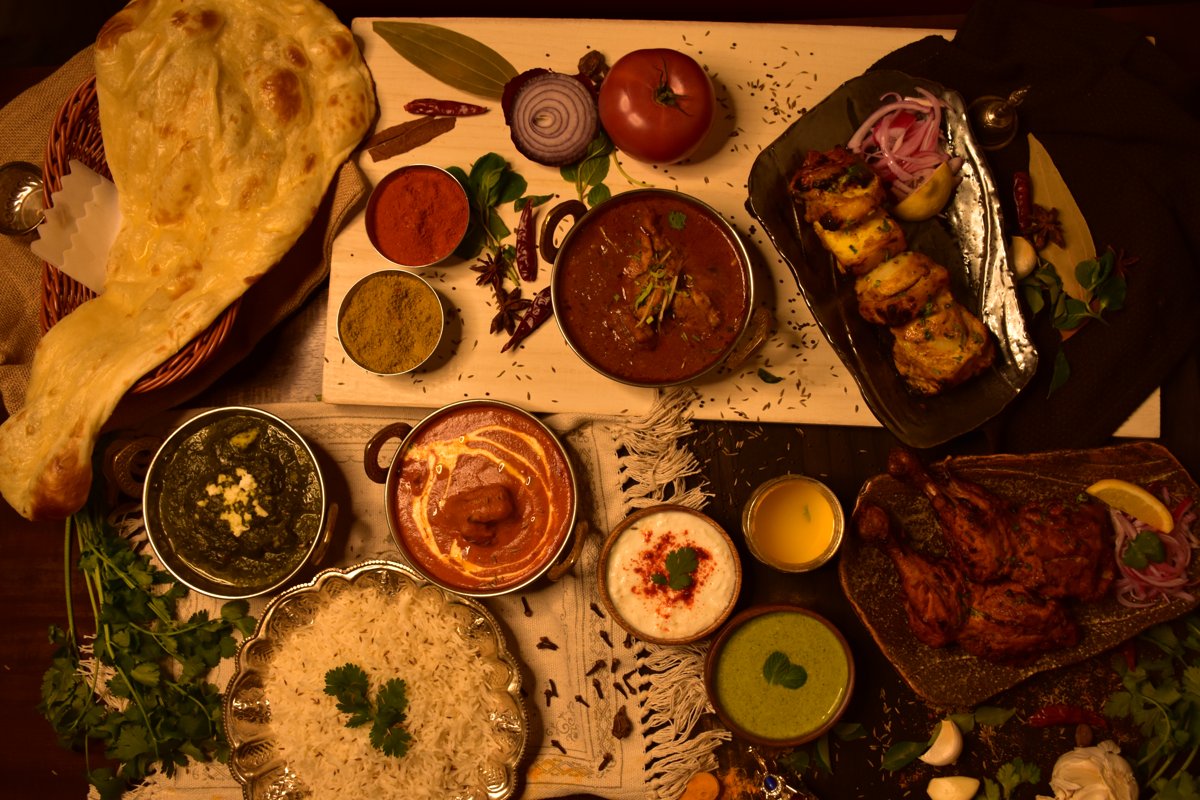
10.Indian groceries, sweets, vegetarian food and where to eat
Correct or addContents ↑Nishi-Kasai is where the Indian food shops cluster. Opening hours and stock change, so check before a long trip. The places below are the ones whose own site or a recent listing confirms them.
Nishi-Kasai
- Tokyo Mithai Wala, 6-8-5 Nishikasai, Edogawa (postcode 134-0088). The shop's own site gives hours of 11:30 to 21:30 every day. Metropolis magazine, in its September 2025 update, describes a restaurant upstairs with staples and seasonal set meals, known for samosas and chai, and handmade sweets (mithai) in the shop downstairs. Ask about Diwali orders in good time.
- Ambika Veg & Vegan Shop Nishikasai, 1-3-6 Seishincho, Edogawa (postcode 134-0087), a 10-minute walk from Nishi-Kasai station, open 10:00 to 20:00 all year except the New Year holidays, telephone 03-6808-8927. The shop's website lists categories from spices, rice and dal to atta, ghee, oil and pickles.
- Swagat Indian Bazaar, listed in directories at 5-12-2 Nishikasai, an Indian grocery with spices and ingredients, which Metropolis calls possibly the oldest of its kind in Nishi-Kasai.
- TMVS Foods, which calls itself "The Indian Supermarket" and sells frozen paratha and ghee, and Kobe Spice Outlet, for spices and pulses, both named in Metropolis's guide. We could not confirm their street addresses on the day.
The Embassy's list includes an Indian Restaurant Association Japan, and the Nishi-Kasai restaurants are the ones to look for: north Indian places toward the north of the district and south Indian ones toward the south, a pattern reported in Wikipedia's article on Edogawa.
Vegetarian and vegan
The ISKCON New Gaya temple at Funabori runs a Sunday Love Feast every week, a vegetarian meal after the Sunday programme, listed on its website. Ambika's shop in Nishi-Kasai describes itself as vegetarian and vegan.
Okachimachi, Ueno and the rest
Taito ward, which contains Okachimachi and Ueno, has 804 Indian residents; Okachimachi is Tokyo's jewellery-trading district, and the Embassy's list includes an Indian Jewelers Association of Japan. We could not confirm individual spice or grocery shops there on the day, so use the directory below and the groups for current recommendations. The larger Nepali and Bangladeshi populations, described under South Asian neighbours, live in other wards.
The directory
The businesses near Tokyo on Namaste Community's directory are listed below, and if a grocer, restaurant or sweet shop you rely on is missing, add it.
In the directory in Tokyo
The directory →Amrit
Restaurants · Tokyo
Anam Authentic Indian Cuisine Ginza Branch
Restaurants · Tokyo
Andhra Dining SHIBUYA
Restaurants · Tokyo
Anita(アニタ) Nepali & Indian Restaurant
Restaurants · Tokyo
Asian Kitchen Futako
Restaurants · Kawasaki
Asian Palm Shibuya Honmachi
Restaurants · Tokyo
11.Temples, the gurdwara and other places of worship
Correct or addContents ↑The temples page for Japan covers Tokyo, Yokohama, Kobe and Osaka. The places of worship we could confirm in Tokyo are small centres: an ISKCON temple in a three-storey building in Edogawa, a gurdwara in a basement in Bunkyo and a Sai Baba centre in a ground-floor flat in Shinjuku. Opening times and addresses below are from each centre's own site or a published account; phone or check the site before a first visit.
| Place | Where | What to know |
|---|---|---|
| ISKCON New Gaya Japan (listed in ISKCON's directory as ISKCON Tokyo) | 2-23-4 Funabori, Edogawa-ku, Tokyo 134-0091; two minutes' walk from the south gate of Funabori station on the Toei Shinjuku Line; 03-3877-3000 | Sri Sri Radha Govinda, installed in July 2011; daily darshan and arati, a weekly Sunday Love Feast, festivals and Vedic rituals on its website; the site has a temple renovation page, so check access |
| Guru Nanak Darbar Tokyo (Sikh gurdwara) | A basement in the Myogadani district of Bunkyo ward; the World Gurudwaras directory gives 3-5-4 Otsuka, Bunkyo-ku, 112-0012, but the gurdwara publishes none itself | Wikipedia dates the start of services to 1999, around the Khalsa tercentenary, and The Japan Times (2016) to services in Indian restaurants from 1998 and the basement from 2001; a 2009 study describes one service a month, on a Sunday, with langar, and a 2016 report counts about 70 people at festivals and 35 to 50 at ordinary services; the Embassy lists NPO Guru Nanak Darbar Tokyo |
| Shirdi Sai Baba Tokyo Center | San-famille Nishiwaseda 1F, 3-17-23 Nishiwaseda, Shinjuku-ku; ten minutes' walk from Takadanobaba station | Founded by two devotees who visited Shirdi; open on the first and third Saturday of the month from 12:00 to 14:00; its site says it cannot display a sign, asks visitors not to ask neighbours for directions but to write or phone, and says no one there speaks English |
| Vedanta Society of Japan (Nippon Vedanta Kyokai) | Its monthly retreat is held at Zushi, Kanagawa; telephone 046-873-0428 | A branch of Ramakrishna Math and Mission, on the Embassy's list; study classes online, a monthly retreat and a Kali Puja on Sunday 8 November 2026 |
| BAPS Shri Swaminarayan Mandir, Tokyo | Address not confirmed | BAPS news reported murti installation rituals for the Tokyo mandir in 2017 and a ceremony in Tokyo on 31 March 2018 attended by more than 120 devotees; contact BAPS for the address and hours |
Notes
The ISKCON temple also received donations from the Indian Community of Edogawa, according to the Hosei study, which adds that it now introduces Indian culture to the neighbourhood. The gurdwara is one of Japan's two: the other, Kobe's Guru Nanak Darbar Sahib, is a converted house that, according to the 2009 study by the National Museum of Ethnology, has been in use since the 1960s and is open at all hours, while in Tokyo Sikhs are scattered across the city and come together once a month. The Vedanta Society's Kali Puja requires registration by email between 1 October and 1 November 2026, with a limit of about 150, and no parking.
For the regional associations' own programmes, see associations and classes. We could not confirm a Jain temple or a mandir with a resident priest in Tokyo; the associations below and the groups can say where families gather.
Every temple and gurdwara in Japan, with addresses and hours →
12.Associations, the Embassy cultural centre and classes
Correct or addContents ↑The Embassy of India publishes a list of 59 associations it recognises, with their office bearers, and it is organised mostly by language and state. The Indian Community of Edogawa (ICE) is the one that belongs to Nishi-Kasai, with Jagmohan Swamidas Chandrani as chairperson and Ramchandra Tantry as president.
Regional and language associations
- Bengal: the Bengali Association of Tokyo, the India (Bengal) Cultural Association Japan and the Bhartiya Bengali Community of Japan.
- Tamil: the Japan Tamil Sangam, the Tokyo Tamil Sangam and the Non Resident Tamil Indians Association.
- Telugu: the Japan Telugu Samakhya and Japan Andhraids.
- Kannada: the Tokyo Kannada Balaga and the Japan Kannada Sangha.
- Malayali: Nihon Kairali, which celebrated Onam and its 40th anniversary in 2026 at Kasai Civic Hall in Edogawa, and the World Malayalee Federation Japan.
- Marathi: the Tokyo Marathi Mandal, and the Yokohama Mandal in Kanagawa.
- Odisha: the NPO Odisha Community in Japan, the Odisha Community Japan Tokyo and the Shree Jagannath Society Japan.
- Others: the Assam Association of Japan, the Bihar Jharkhand Association, the Rajasthan Association in Japan, the Japan Uttarakhand Sangthan, Friends of Madhya Pradesh and, for Sikhs, NPO Guru Nanak Darbar Tokyo.
Professional, women's and student groups
The Indian IT Association Japan, the IIT Alumni Association Japan, Indian Professionals in Japan, the Indian Scientist Association in Japan, the Indian JSPS Alumni Association, the Indian Chamber of Commerce Japan, the Indian Commerce and Industry Association Japan, the Japan–India Industrial Promotion Association, the Indian Jewelers Association of Japan and the Indian Restaurant Association Japan serve working Indians. Rachna Club (the Indian Women's Association) and the Indian Working Women's Group serve women. The Indian student associations at the University of Tokyo and the Institute of Science Tokyo welcome newcomers to those campuses, and the Kawasaki Indian Community covers Kanagawa. The Embassy's list also shows the All Japan Association of Indians and IndoJapanPulse, an information hub for Indians in Japan.
The Vivekananda Cultural Centre
The Embassy's cultural arm, the Vivekananda Cultural Centre (VCC), is inside the Embassy compound at 2-2-11 Kudan-Minami, Chiyoda-ku (nearest station Kudanshita, exit 2; telephone 03-3262-2391; email [email protected]). It runs courses in yoga, Hindi, Sanskrit, tabla, Odissi and Kathak, and contemporary dance, taught by Indian and Japanese teachers, and Ayurved courses; the January–June 2026 semester's registration was in person at the Embassy over four days in December 2025, so ask when the next one is. The auditorium seats about 180 people for concerts, film screenings and workshops, and the Embassy library on the third floor holds more than 8,000 books dating from the 1950s. The Embassy's site also carries a Yoga at the Embassy page.
Japanese classes and children's languages
Edogawa City's own services help the people the associations do: the Multicultural Coexistence Centre offers Japanese classes, consultations and exchange events, and its LINE account posts notices. For a child's Hindi, Tamil or Bengali, the regional associations and the VCC are the first to ask; there is no weekend Indian-language school we could confirm on the day.
13.The festival year in Tokyo, 2026: Namaste India, Onam, Diwali and Kali Puja
Correct or addContents ↑Tokyo's Indian festivals are organised by the community itself, with the Embassy's support, and the two biggest we could confirm are two months apart: Namaste India in Yoyogi Park in September and Diwali Festa Nishikasai in Edogawa in November. The dates below come from the organisers or from Edogawa City; the live listings under this section and the Tokyo events page carry what is added later, and the Diwali page for Tokyo gathers the Diwali events in one place.
| Festival | When (2026) | Where | Organiser and notes |
|---|---|---|---|
| Namaste India, 31st edition | Saturday 26 and Sunday 27 September (held) | Yoyogi Park Event Zone, Shibuya | Namaste India Working Committee and the NPO Society to Promote Indo-Japan Cultural Relations; free; the organisers report about 180,000 visitors over the two days |
| Onam Aavani-26 | Saturday 12 September (held) | Kasai Civic Hall, Edogawa | Nihon Kairali, the Kerala association; registration |
| Nihon Kairali 40th anniversary event | Saturday 3 October (held) | Kasai Civic Hall, Edogawa | Nihon Kairali; registration |
| Dhanteras | Friday 6 November | Homes and shops | Date from Drik Panchang's calendar for Tokyo |
| Diwali Festa Nishikasai | Saturday 7 November, 10:00–16:30 | Takino Park, Nakakasai 3-22-1, Edogawa | Diwali Festa Nishikasai Executive Committee, supported by the Embassy of India, Edogawa City and Air India; free, no registration; telephone 03-3688-6612 |
| Diwali | Sunday 8 November | Homes, temples | Lakshmi Puja in the evening; not a public holiday in Japan |
| Kali Puja, Vedanta Society of Japan | Sunday 8 November, 18:30–21:00 | Zushi, Kanagawa | Registration by email between 1 October and 1 November; about 150 places |
Diwali in Tokyo, explained
Diwali Festa Nishikasai is the community's own fair. Edogawa City lists it for Saturday 7 November 2026 from 10:00 to 16:30 at Takino Park, in Nakakasai 3-chome, a change of venue from last year, with Indian dance and music on the stage, Indian curry and sweets, a bazaar of Diwali gifts and fashion, information about India, and a prize draw for which tickets are sold. Admission is free and nobody needs to apply. Diwali itself is Sunday 8 November, so the festival comes a day early, and Dhanteras is Friday 6 November. Diwali is not a public holiday in Japan: the Cabinet Office's list has Culture Day on Tuesday 3 November and Labour Thanksgiving Day on Monday 23 November that month, and in 2026 the day itself is a Sunday.
Fireworks are the Japanese trap. Hand-held toy fireworks are legal, but many parks and streets ban them or restrict them, and Tokyo's Fire Prevention Ordinance requires a notice to the fire station before fireworks other than toys are launched. Check the park's rules or ask the ward office first; most people celebrate with oil lamps and candles at home.
Namaste India
Namaste India calls itself one of the largest Indian festivals in Japan. The 2026 edition was the 31st, held on 26 and 27 September in Yoyogi Park, with the Indian ambassador at the opening and an Indian government dance troupe from ICCR on the stage. The organisers say it began in October 1993 as an "Evening of India" at the Tokyo Chamber of Commerce building, moved to Sumida's riverside and then to the Tsukiji Hongwanji, and has been at Yoyogi Park since 2005, now run by an NPO that works from the Mithila Museum in Tokamachi, Niigata. They report that 2027 will be the 75th anniversary of diplomatic relations between Japan and India, and that the festival will mark it.
The rest of the year
The regional associations on the Embassy's list organise the community's other festivals, as Nihon Kairali's Onam does above, and there is no single calendar of them: ask each association for its programme. The events posted near Tokyo on Namaste Community appear below as they are added.
Coming up in Tokyo
Every event →- NOV4
Bollywood Dance for beginners 🇮🇳ボリウッドダンス初心者基礎 Wednesday
Wed, 4 Nov 2026, 20:30
Harajuku Worcle
🎭 Cultural¥2,700 - NOV8
Tokyo Diwali Celebration 2026: Authentic Feast, Culture & Music 🪔✨ (ディワリ祭)
Sun, 8 Nov 2026, 18:30
Setagaya Gaya-gaya Hall
🎭 CulturalFree - NOV13
Bollywood Dance Lesson for stage 🇮🇳ボリウッドダンス Friday
Fri, 13 Nov 2026, 20:30
studio worcle shinjuku-gyoen
🎭 Cultural¥2,700 - NOV14
Saturday South Indian Dance Lesson🇮🇳 土曜南インドダンスレッスン ダンス初心者歓迎🔰
Sat, 14 Nov 2026, 16:00
studio worcle yoyogi
🎭 Cultural¥3,000 - NOV18
Bollywood Dance for beginners 🇮🇳ボリウッドダンス初心者基礎 Wednesday
Wed, 18 Nov 2026, 20:30
Harajuku Worcle
🎭 Cultural¥2,700 - NOV27
Bollywood Dance Lesson for stage 🇮🇳ボリウッドダンス Friday
Fri, 27 Nov 2026, 20:30
studio worcle shinjuku-gyoen
🎭 Cultural¥2,700
14.WhatsApp groups, and finding your people on Namaste Community
Correct or addContents ↑Messaging groups, by association, school, ward or employer, are how many newcomers find answers, and this guide cannot list them; many are by invitation. The Embassy's own list includes an information hub for Indians in Japan, IndoJapanPulse. In a community of 20,000 spread over a metropolis of 14 million, a group is where people ask which landlord takes foreigners and which clinic has a Hindi speaker.
What the groups are good at, and what they are not
They are quick, and Indian neighbours answer. But you usually need to know someone to be added; links circulate until they are dead; a group of a thousand members has nobody checking who joined, so the same questions about registration, insurance and the flat deposit come round again and again, and the answers scroll away; every member can see your number; and a group does not know where you live, so a question about Funabori and one about Shinjuku arrive with the same weight. The scams to watch for are the ones in this guide: the agent who wants the deposit before you see the flat, the person who offers to open a bank account or phone contract for you, and the caller who says they are from the Embassy.
What Namaste Community offers
Namaste Community is a community platform for Indians abroad, on the web and as an app. The app has groups, events and a directory, and on the website: - the local groups for this city are listed at /groups/in/japan/tokyo, with the ones near Tokyo under this section; they are moderated and location-bound, and anonymous mode is available; - the events near Tokyo — Diwali programmes, association pujas, Bollywood nights, music — are on the Tokyo events page; - the directory lists the grocers, restaurants and services near you, and businesses can add themselves; - in Ask, members ask about paperwork, housing, schools and where to find a good dosa, and people who have done it answer.
Your first week, practically
- Join the group nearest your ward on the Tokyo groups page, and read before you post: the 14-day registration and the insurance questions have usually been answered.
- Pick one event in the next fortnight — Diwali Festa Nishikasai on 7 November, an association's puja — from the events page.
- Ask the question you actually have, and say your ward: the answer for Edogawa, Koto and Shinjuku is rarely the same.
- Never send a deposit, a passport scan or a residence-card photo to someone you met in a group without meeting them and checking who they are. Report anything that looks like a scam.
- When you have found your flat, your doctor and your grocer, leave a review or an answer for the next person from Pune, Chennai or Kolkata.
If the group you need does not exist yet — Hindi-speaking parents in Koto, a Kannada cricket team in Setagaya, Malayali nurses in Edogawa — start it, so the next person searching finds it here.
Groups in Tokyo
All groups →🇯🇵 Japan-wide
For Indians and expats living in Japan.
6 members
15.Nepali, Sri Lankan, Bangladeshi and Pakistani neighbours in Tokyo
Correct or addContents ↑Tokyo's Indian residents share their city with a Nepali community three times their size and with smaller Bangladeshi, Sri Lankan and Pakistani ones. Everything on this page about registration, insurance, schools, rents and scams applies identically to all of them; what differs is the embassy and the festival calendar. The counts below are the Tokyo Metropolitan Government's resident register on 1 January 2026 for Tokyo, and the ISA's end-2025 table for Japan.
| Nationality | Tokyo, resident register, 1 January 2026 | Tokyo, ISA, end of 2025 | Japan, ISA, end of 2025 |
|---|---|---|---|
| Nepal | 63,281 | 63,710 | 300,992 |
| India | 20,003 | 21,224 | 58,999 |
| Bangladesh | 9,577 | 9,741 | 44,938 |
| Sri Lanka | 5,786 | 5,879 | 79,128 |
| Pakistan | 1,916 | 1,962 | 34,911 |
Nepali
Nepal is the third-largest nationality in Tokyo's register, after China (299,831) and South Korea (90,766): 63,281 Nepalis are registered, three times the number of Indians, who rank ninth. Across Japan the ISA counts 300,992 Nepalis, the fifth-largest foreign nationality. They live in a wider spread of wards than Indians do: Shinjuku has 5,592, Ota 4,912, Itabashi 4,609, Suginami 4,252, Toshima 4,180, Kita 4,156 and Edogawa 4,131. Edogawa's foreign-resident desk offers Nepali every day it is open. Hosei University's study of Nishi-Kasai notes that residents often compare Indians with Nepalis, since both countries are more than 80% Hindu and share much of their food. Tihar, Nepal's festival of lights, is kept around the same days as Diwali.
Bangladeshi
Bangladeshis number 9,577 in Tokyo, concentrated in Kita ward (2,071) and Katsushika (1,578), with 841 in Edogawa and 749 in Shinjuku.
Sri Lankan
Sri Lankans number 5,786 in Tokyo, with the largest groups in Nakano (516), Adachi (477) and Edogawa (475). Nationally they are the ninth-largest foreign group, with 79,128 people.
Pakistani
Pakistanis number 1,916 in the Tokyo register, with the largest groups in Adachi (201), Edogawa (161) and Katsushika (154).
Shared ground
The shared ground is the ward office and its services. Edogawa's foreign-resident desk answers in Japanese, English, Chinese, Korean, Portuguese, Spanish, Vietnamese, Tagalog, Nepali and Thai from Tuesday to Saturday, and in Indonesian, Russian, Hindi and French from Tuesday to Friday; it says to ask about other languages, so a Bengali, Sinhala or Urdu speaker should ring and ask. For the other nationalities, ask their own missions about consular services.
16.The Indian Embassy, help lines, earthquakes, floods and staying safe
Correct or addContents ↑The Embassy of India
Tokyo has an embassy, not a consulate general: the Embassy of India, 2-2-11 Kudan-Minami, Chiyoda-ku, Tokyo 102-0074, a short walk from Kudanshita station (exit 2) on the Hanzomon, Shinjuku and Tozai lines. The Embassy is open Monday to Friday 09:00–17:30. The consular section accepts applications from 09:30 to 11:30 and delivers passports and documents from 16:00 to 17:00; for OCI the submission window is 09:00–11:00. Its page says no appointment is needed for any passport or consular service. The telephone is 03-3262-2391 to 97; after hours and on holidays an emergency number for Indian nationals in distress, +81-80-3301-5242, takes calls and WhatsApp.
The Embassy's jurisdiction covers Hokkaido, Tohoku, Kanto (including Tokyo, Kanagawa, Chiba and Saitama), Shinetsu, Hokuriku, Tokai and Okinawa; the Consulates General in Osaka and in Fukuoka serve the rest of the country.
Passports and OCI
- Passport. The Embassy has issued e-passports (with a chip) since 3 September 2025. Fill in the application online at the Passport Seva Mission portal, upload an ICAO-compliant photograph and your signature, and take the printout of the ARN slip with the originals and your residence card to the Embassy counter, in person; postal applications are no longer accepted for passports. Fees are payable in cash only, there is no photocopier or photo booth inside, a minor's application needs both parents' signatures on Annex D, and a normal application takes four to six weeks, with a faster tatkal service of three to five working days. The page carries more than one fee table, so confirm the amount with the Embassy on the day. You can ask for postal delivery of the new passport for ¥1,000.
- OCI. Applications are made in person at the Embassy. From 30 June 2026 India has issued the e-OCI, a digital card downloaded from the OCI Services portal (ociservices.gov.in); new applicants receive only the digital version, and existing cardholders keep their cards but can generate an e-OCI by logging in. Updates to passport or address details are made online.
- Documents. Documents from Japan generally need Japan's Ministry of Foreign Affairs attestation before the Embassy accepts them, and documents from India need Ministry of External Affairs attestation.
Help lines
- 119 fire and ambulance (English-speaking staff); 110 police (an interpreter can be added).
- The Metropolitan Police's consultation line for foreigners: 03-3503-8484, Monday to Friday 08:30–17:15.
- Edogawa's foreign-resident desk: 03-3877-3841, Tuesday to Saturday 10:00–16:30 (Hindi Tuesday to Friday).
- The Embassy: 03-3262-2391 to 97 in office hours; +81-80-3301-5242 after hours, for Indian nationals in distress only.
Earthquakes
Tokyo prepares for an earthquake that has not happened. The Tokyo Metropolitan Government's damage estimate, published on 25 May 2022, takes a magnitude 7.3 earthquake directly under southern Tokyo on a winter evening with an 8 m/s wind and finds 194,431 buildings destroyed or burned and 6,148 deaths (3,666 from shaking and 2,482 from fire), 93,435 injured, about 2.99 million evacuees and about 4.53 million stranded commuters. The previous estimate, for a different scenario (an earthquake under northern Tokyo Bay), gave 9,641 deaths, and the metropolitan government cautions that the two are hard to compare. In practice: keep three days to a week of water, food, batteries and a torch; put your passport, residence card, money, seal, copies of your insurance card, phone charger, medicines and clothes in a grab bag (Edogawa's own list says exactly this); fix tall furniture; agree where your family meets; and learn the evacuation site for your address, which the ward publishes in a search tool. The Tokyo Metropolitan Government's disaster-prevention portal has an English version, and it publishes the preparedness booklets Tokyo Kurashi Bosai and Tokyo Bosai and an official app.
Floods in Edogawa
Edogawa is the part of Tokyo where this matters most. The ward's flood hazard map, second edition published in July 2025, is available in English, Chinese and plain Japanese as well as Japanese, and printed copies of the overview are handed out at the ward office and at the five branch offices, the Kasai Office among them. The ward says that after a large-scale flood the water is expected not to drain for more than two weeks, and it therefore recommends a voluntary wide-area evacuation before a typhoon arrives: to relatives or a hotel outside the flooded area, avoiding the five low-lying wards (Sumida, Koto, Adachi, Katsushika and Edogawa) and choosing places west of Ochanomizu on the JR Sobu Line, which stands on higher ground. When the five wards issue their evacuation information, Edogawa pays residents who stay in a hotel outside the ward up to ¥9,000 each (¥3,000 a night for up to three nights) on application. Sign up for Edogawa's mail news and use the ward's disaster portal and app, and know your floor and your nearest high building.
Staying safe
The dangers that hurt newcomers are mostly financial, and the ones below are documented by the Embassy and the ISA. Fraud calls impersonating the Indian Embassy, in English or Hindi and sometimes with the Embassy's own number spoofed, tell you that you gave wrong information and must pay a "penalty" to avoid deportation; the Embassy's advisory says it never calls anyone to ask for money, and asks you to report such calls to the police and to [email protected]. Bank-account and SIM brokers: the ISA warns of people who take out a phone contract for you and use it for crime, and of the penalty for selling a bank account. Agents in India who sell jobs or visas are covered in the Japan jobs guide. Carry your residence card at all times, and keep a photo of your passport and card on your phone.
Questions people ask
- How many Indians live in Tokyo?
- The Tokyo Metropolitan Government’s resident register counted 20,003 Indian nationals in Tokyo on 1 January 2026, 18,354 of them in the 23 wards and 8,248 in Edogawa ward, where Nishi-Kasai is. The Immigration Services Agency counted 21,224 Indian nationals in Tokyo at the end of 2025. For all of Japan the Indian Ministry of External Affairs estimates about 67,000 overseas Indians (66,887 for January 2026: 65,126 citizens and 1,761 people of Indian origin), and the ISA counted 58,999 Indian nationals. The first two are Tokyo counts; the ministry’s figure is national.
- Where do most Indians live in Tokyo?
- In Edogawa ward (8,248 Indian nationals), around Nishi-Kasai, Kasai and Funabori on the Tozai and Toei Shinjuku lines, and in Koto ward (4,239) around Toyocho and Toyosu. Together they hold 62% of Tokyo’s registered Indians. Taito (804), Setagaya (630), Minato (522) and Ota (439) follow. Nishi-Kasai is the neighbourhood with the Indian groceries, restaurants, the Global Indian International School and the annual Diwali festival.
- What do I have to do in my first two weeks in Tokyo?
- File a moving-in notification at your ward office within 14 days of settling at an address, bringing your residence card or passport; that updates the address on your card and starts your My Number. Then join National Health Insurance at the ward office unless your employer insures you, enrol in the National Pension if you are not an employee, open a bank account (Japan Post Bank is the usual first one), sign a phone contract with your residence card, and set up a PASMO or Suica (on a phone if no card is on sale). Edogawa’s foreign-resident desk answers questions on 03-3877-3841, with Hindi on Tuesday to Friday.
- How much is rent in Nishi-Kasai in 2026?
- At Home’s page for Nishi-Kasai station, opened on 23 October 2026 and built from its listings of the previous three months, shows an average asking rent of ¥78,100 for a 1K, ¥122,100 for a 1LDK and ¥152,900 for a 2LDK, against ¥204,400 for a 1LDK around Shinjuku and ¥275,600 in Minato ward. Add a monthly management fee, and a deposit, key money and an agency fee when you sign, which together come to three to five months’ rent before the guarantee-company fee.
- Do I need a guarantor or key money to rent a flat in Tokyo?
- Usually, for a private flat: Edogawa City lists a deposit and key money of about one to two months’ rent each, an agency fee of about one month, and a guarantor who answers for unpaid rent, which can be a guarantee company paid a fee. UR housing charges no key money, no brokerage fee and no renewal fee and needs no guarantor, but it asks for an income of at least four times the rent below ¥62,500 and a two-month deposit, according to its September 2022 leaflet.
- How does health insurance work in Japan, and how much does it pay?
- Everyone with an address in Japan must be insured, either by an employer’s Employees’ Health Insurance or by National Health Insurance, which you join at the ward office if you stay more than three months and are not otherwise covered. The scheme pays 70% of a covered bill and you pay 30%, or 20% for children under six; premiums for National Health Insurance depend on household size and last year’s income and are paid in ten instalments a year in Edogawa.
- Where are the Indian schools in Tokyo?
- The India International School in Japan (IISJ) is at 3-1-4 Sengoku, Koto-ku, about a 12-minute walk from Toyocho station on the Tozai Line: CBSE, kindergarten to Grade 12, tuition of ¥600,000 a year up to Grade 9 and ¥1.2 million for Grades 10 to 12 in 2026–27. The Global Indian International School (GIIS) Tokyo has four campuses in Edogawa, including Nishi-Kasai at 8-3-13 Nishikasai. The Embassy lists both. Japanese public schools are free of tuition and textbooks.
- Where can I buy Indian groceries in Tokyo?
- In Nishi-Kasai: Tokyo Mithai Wala at 6-8-5 Nishikasai (restaurant and sweet shop, open daily 11:30–21:30), Ambika Veg & Vegan Shop at 1-3-6 Seishincho (a 10-minute walk from the station, open 10:00–20:00), Swagat Indian Bazaar at 5-12-2 Nishikasai and TMVS Foods. Check opening times before you go.
- Where are the Hindu temples and the gurdwara in Tokyo?
- The ISKCON New Gaya temple is at 2-23-4 Funabori, Edogawa-ku, two minutes from Funabori station on the Toei Shinjuku Line. The Sikh gurdwara, Guru Nanak Darbar Tokyo, meets in a basement in Myogadani, Bunkyo ward, about once a month on a Sunday according to published accounts, and has no public street address. The Shirdi Sai Baba Tokyo Center is at 3-17-23 Nishiwaseda, Shinjuku-ku, open the first and third Saturday of the month, and the Vedanta Society of Japan holds its monthly retreat at Zushi, Kanagawa.
- When is Diwali 2026 in Tokyo, and where is it celebrated?
- Diwali is Sunday 8 November 2026. Diwali Festa Nishikasai takes place on Saturday 7 November from 10:00 to 16:30 at Takino Park, Nakakasai 3-22-1, Edogawa, with dance, music, food, a bazaar and a prize draw; it is free and needs no registration, and the venue is new this year. The Vedanta Society of Japan holds a Kali Puja on 8 November with registration required. Diwali is not a public holiday in Japan.
- When is Namaste India in Tokyo?
- The 31st Namaste India was held on 26 and 27 September 2026 at the Yoyogi Park Event Zone in Shibuya, free of charge, and its organisers report about 180,000 visitors over the two days. It has been held in late September in recent years; the organisers have said that 2027, the 75th anniversary of diplomatic relations between India and Japan, will be marked, but had not announced dates when this guide was written.
- How do I apply for an Indian passport or an OCI card in Tokyo?
- At the Embassy of India, 2-2-11 Kudan-Minami, Chiyoda-ku, in person and with no appointment: passport applications are accepted 09:30–11:30 on weekdays after you complete the online form at the Passport Seva Mission portal and bring the ARN printout, your originals and your residence card; fees are cash only. OCI applications are accepted 09:00–11:00. Since 30 June 2026 new OCI cards are issued as a digital e-OCI downloaded from the OCI Services portal.
- Is Edogawa at risk of flooding, and what should I do?
- Yes. Edogawa City’s flood hazard map (second edition, July 2025) is published in English, and the ward says that after a large flood the water may not drain for more than two weeks, so it recommends leaving for a hotel or relatives outside the ward before a typhoon arrives. It pays up to ¥3,000 a night for up to three nights when the five-ward evacuation information is issued. Collect the map from the ward office or the Kasai Office, and check your address’s flood depth.
- How much do trains cost in Tokyo in 2026?
- The adult base fare on Tokyo Metro and Toei is ¥180 by paper ticket and ¥178 with an IC card; a ride such as Shinjuku to Tokyo on the Marunouchi Line is ¥210 (¥209 by IC). JR East raised its fares on 14 March 2026 by an average of 7.1%, and the Yamanote Line entry fare rose from ¥150 to ¥160. PASMO’s visitors page lists sales of ordinary Suica and PASMO cards as suspended since June 2023, so check at the station or use a phone wallet.
Sources
The official pages this guide was checked against on October 23, 2026. When they and this page disagree, they win.
- Tokyo Metropolitan Government — Foreign population by municipality and nationality, table 3 (1 January 2026), CSVwww.toukei.metro.tokyo.lg.jp/gaikoku/2026/ga26ev0300.csv
- Tokyo Metropolitan Government — Overview of the resident register, Tokyo, 1 January 2026www.toukei.metro.tokyo.lg.jp/juukiy/2026/jy26qf0001.pdf
- Immigration Services Agency — Foreign residents at the end of 2025 (press release)www.moj.go.jp/isa/publications/press/13_00062.html
- Immigration Services Agency — End-2025 statistics workbook (Indian nationals 58,999; Tokyo 21,224; by status and prefecture)www.moj.go.jp/isa/content/001459095.xlsx
- Immigration Services Agency — End-2025 statistical tables (PDF)www.moj.go.jp/isa/content/001459094.pdf
- Ministry of External Affairs, India — Population of overseas Indians (January 2026)www.mea.gov.in/population-of-overseas-indians.htm
- Edogawa City — Population status, 1 September 2026www.city.edogawa.tokyo.jp/documents/70191/20260901_jinko2.pdf
- Indians in Japan (history, Kobe and Yokohama, 2025 numbers)en.wikipedia.org/wiki/Indians_in_Japan
- Edogawa, Tokyo (Indian community, schools, politics)en.wikipedia.org/wiki/Edogawa,_Tokyo
- Hosei University — Study of multicultural coexistence in Nishi-Kasai, Edogawa (2017)hosei.ecats-library.jp/da/repository/00013904/chiiki_9_izawa_kamiyama.pdf
- Metropolis — Tokyo Neighborhood Guide: Nishi Kasai (updated September 2025)metropolisjapan.com/nishi-kasai-little-india/
- Tokyo Updates (Tokyo Metropolitan Government) — Nishi-Kasaiwww.tokyoupdates.metro.tokyo.lg.jp/en/post-1005/
- Tour Guide Japan — The Nishi-Kasai area of Edogawa-ku (July 2022)www.tour-guide-japan.jp/single-post/the-nishi-kasai-area-of-edogawa-ku-tokyo-is-the-largest-indian-community-in-japan
- National Museum of Ethnology — Sikh temples in Japan, Tokyo Guru Nanak Darbar (2009)minpaku.repo.nii.ac.jp/record/1179/files/SER83_008.pdf
- Asia Samachar (from the Japan Times) — Sikhs hope temple in Tokyo sets the stage for tolerance (2016)asiasamachar.com/?p=8835
- Sikhism in Japan (gurdwaras in Tokyo and Kobe)en.wikipedia.org/wiki/Sikhism_in_Japan
- Embassy of India, Tokyo — Consular services, location and hourswww.indembassy-tokyo.gov.in/eoityo_pages/MjA
- Embassy of India, Tokyo — Passport services and feeswww.indembassy-tokyo.gov.in/eoityo_pages/MjE,
- Embassy of India, Tokyo — OCIwww.indembassy-tokyo.gov.in/eoityo_pages/Mjk,
- Embassy of India, Tokyo — e-OCI notice (from 30 June 2026)www.indembassy-tokyo.gov.in/public_files/assets/pdf/E_OCI_Tokyo_09_07_2026.pdf
- Embassy of India, Tokyo — Consular contacts and emergency numberwww.indembassy-tokyo.gov.in/eoityo_pages/MzM,
- Embassy of India, Tokyo — Associations of the Indian community in Japanwww.indembassy-tokyo.gov.in/eoityo_pages/NDQ1
- Embassy of India, Tokyo — Advisory on fraud phone callswww.indembassy-tokyo.gov.in/public_files/assets/pdf/Advisory_on_fraud_calls.pdf
- Embassy of India, Tokyo — Vivekananda Cultural Centre, January–June 2026 course enrolmentwww.indembassy-tokyo.gov.in/public_files/assets/pdf/1203_final_VCC_Registration_2026_Winter.pdf
- Edogawa City — Diwali Festa Nishikasai, 7 November 2026www.city.edogawa.tokyo.jp/event/261107dewali.html
- Nihon Kairali — Onam Aavani-26 and 40th anniversary, Kasai Civic Hallwww.nihonkairali.com/en/posts/nihonkairali-onam-40th-anniversary-celeb-1153
- Vedanta Society of Japan — Kali Puja 8 November 2026www.vedantajp-en.com/
- ISKCON New Gaya Japan, Funabori — address, programme and Sunday feastiskconjapan.com/
- ISKCON centres — ISKCON Tokyo, New Gaya Japancentres.iskcon.org/centre/iskcon-tokyo/
- Shirdi Sai Baba Tokyo Center — address and opening daysshirdisaibaba.jp/
- India International School in Japan — Tokyo campusiisjapan.com/locations/tokyo/
- India International School in Japan — Tuition and fees 2026–27iisjapan.com/admission/tuition-fees/
- Global Indian International School, Tokyotokyo.globalindianschool.org/
- Global Indian International School, Tokyo (history, campuses)en.wikipedia.org/wiki/Global_Indian_International_School,_Tokyo
- Immigration Services Agency — Guidebook for Life and Work in Japan, 7th edition (English)www.moj.go.jp/isa/content/001450885.pdf
- At Home — Rent in Nishi-Kasai station (opened 23 October 2026)www.athome.co.jp/chintai/souba/tokyo/nishikasai-st/
- At Home — Rent in Kasai stationwww.athome.co.jp/chintai/souba/tokyo/kasai-st/
- At Home — Rent in Funabori stationwww.athome.co.jp/chintai/souba/tokyo/funabori-st/
- At Home — Rent in Toyocho stationwww.athome.co.jp/chintai/souba/tokyo/toyocho-st/
- At Home — Rent in Toyosu stationwww.athome.co.jp/chintai/souba/tokyo/toyosu-st/
- At Home — Rent around Shinjuku and Shinjuku-nishiguchi stationswww.athome.co.jp/chintai/souba/tokyo/shinjuku-st/
- At Home — Rent in Edogawa wardwww.athome.co.jp/chintai/souba/tokyo/edogawa-city/
- At Home — Rent in Koto wardwww.athome.co.jp/chintai/souba/tokyo/koto-city/
- At Home — Rent in Shinjuku wardwww.athome.co.jp/chintai/souba/tokyo/shinjuku-city/
- At Home — Rent in Minato wardwww.athome.co.jp/chintai/souba/tokyo/minato-city/
- Statistics Bureau of Japan — 2023 Housing and Land Survey, summary of basic results (rents)www.stat.go.jp/data/jyutaku/2023/pdf/kihon_gaiyou.pdf
- Urban Renaissance Agency — How to rent UR housing (English leaflet, September 2022)www.UR-net.go.jp/chintai/pdf/common/plt_english.pdf
- Edogawa City — Finding a home and moving in (foreign residents)www.city.edogawa.tokyo.jp/foreign/joho/sumuie.html
- Edogawa City — Information for foreign residentswww.city.edogawa.tokyo.jp/foreign/index.html
- Edogawa City — Registration of residence for foreign residentswww.city.edogawa.tokyo.jp/foreign/tetsuzuki/jumintoroku.html
- Edogawa City — Health insurance and National Pensionwww.city.edogawa.tokyo.jp/foreign/hoken/hokennenkin.html
- Edogawa City — Consulting about illness and injury (Himawari, AMDA, night and holiday clinics)www.city.edogawa.tokyo.jp/foreign/iryo/sodan.html
- Edogawa City — Emergencies: 119, 110 and the Metropolitan Police consultation linewww.city.edogawa.tokyo.jp/foreign/komattatoki/kinkyu.html
- Edogawa City — Consultation desk for foreign residents (languages and hours)www.city.edogawa.tokyo.jp/foreign/komattatoki.html
- Edogawa City — Multicultural Coexistence Centre, Tower Hall Funaboriwww.city.edogawa.tokyo.jp/foreign/tabunkakyousei.html
- Edogawa City — Nurseries, kindergartens and schoolswww.city.edogawa.tokyo.jp/foreign/sodan/gakko.html
- Edogawa City — Banks and opening an accountwww.city.edogawa.tokyo.jp/foreign/joho/ginko.html
- Edogawa City — Preparing for disasters (foreign residents)www.city.edogawa.tokyo.jp/foreign/saiagi/sonaeru.html
- Edogawa City — Flood hazard map, second edition (July 2025; English edition)www.city.edogawa.tokyo.jp/e007/bosaianzen/bosai/kanrenmap/hazardmap/index.html
- Edogawa City — Voluntary wide-area evacuation and the hotel subsidywww.city.edogawa.tokyo.jp/e007/bosaianzen/bosai/jijo/kouikihinan/index.html
- Tokyo Metropolitan Government — Damage estimate for Tokyo, summary (25 May 2022)www.bousai.metro.tokyo.lg.jp/_res/projects/default_project/_page_/001/021/571/01nnnn.pdf
- Tokyo Metropolitan Government — Tokyo disaster-prevention booklets (English edition available)www.bousai.metro.tokyo.lg.jp/1028036/index.html
- Japan Post Bank — App for foreign residents: opening an accountwww.jp-bank.japanpost.jp/app/tetsuzuki/app_tz_ja.html
- Japan Post Bank — FAQ on the six-month resident rule for remittancesfaq.jp-bank.japanpost.jp/faq_detail.html?id=10410
- Koto City — National Pension premium, fiscal 2026 (¥17,920 a month)www.city.koto.lg.jp/060306/kurashi/nenkin/kokumin/hoken/372.html
- Ministry of Health, Labour and Welfare — Regional minimum wages, fiscal 2026www.mhlw.go.jp/content/11200000/001753404.pdf
- Statistics Bureau of Japan — Family Income and Expenditure Survey, August 2026www.stat.go.jp/english/data/kakei/156.html
- PASMO — Information for visitors (card sales, Tourist PASMO, Apple Pay)www.pasmo.co.jp/visitors/en/
- Jiji (Adnkronos) — JR East to raise fares for the first time since privatisation (11 March 2026)english.adnkronos.com/2026/03/11/jr-east-to-raise-fares-for-1st-time-since-privatization
- Time Out Tokyo — JR East is raising its prices from March 2026www.timeout.com/tokyo/news/jr-east-is-raising-its-prices-starting-in-march-2026-080425
- Traffic News — Fares compared after the JR East increase (26 February 2026)trafficnews.jp/post/635971/3
Your case is different? Ask people who’ve been through it
Members near you have dealt with this themselves. Ask under your name or anonymously — answers come by email.
Ask the community — freeEverything in Tokyo that this page cannot keep current — events this week, groups near you, businesses with reviews — is in the app, ranked by distance.
Namaste Community — the Indian expat community, near you. Free to join, works in every country.