Moving & living guide · Ireland
Indians in Dublin: the 2026 guide to Dublin 15, Sandyford, Lucan, Citywest, Swords and the city, with rents, Leap fares, temples and Diwali
About 23,700 Indian nationals live in County Dublin — 23,725 at the 2022 census, a wider area than the city and 52% of the 45,449 in Ireland — and that count leaves out Irish citizens of Indian origin: 40,990 people in Dublin city and suburbs gave their ethnic group as Indian, Pakistani or Bangladeshi. There is no single Little India; the community is spread across Dublin 15 (Blanchardstown, Clonsilla, Ongar), Sandyford and Leopardstown, Lucan, Citywest and Tallaght, Swords and the inner city, and the Indian language most spoken at home in the county is Malayalam (9,817 speakers). The places of worship are the Ireland Vinayaka Temple in Kingswood, the Vedic Hindu Cultural Centre in Walkinstown, ISKCON on Middle Abbey Street and the Gurdwara Guru Nanak Darbar in Ballsbridge. Rents are the hard part: the RTB put the average new tenancy in County Dublin at €2,335 a month in the first quarter of 2026. One practical fact: register with immigration at Burgh Quay within 90 days of landing (€300), and book the appointment online before you fly.
About 24,000 Indian nationals live in County Dublin (its four council areas together): 23,725 in the 2022 census. That is the figure for a wider area, not one for Dublin alone. Source: CSO, Census 2022, table F5002 (citizenship)
1.Dublin at a glance
Correct or addContents ↑Dublin is Ireland's capital and the centre of Indian Ireland: more than half of the Indian citizens counted at the 2022 census lived in the four Dublin councils. The Central Statistics Office (CSO) counted 23,725 Indian nationals usually resident in County Dublin in April 2022 — Dublin City 10,308, Dún Laoghaire–Rathdown 4,958, South Dublin 4,450 and Fingal 4,009 — out of 1,436,662 residents of every citizenship and 45,449 Indian nationals in the whole State. That is the figure for a wider area than the city, and it counts citizens of India only (this guide says "Indian nationals" and "Indian citizens" for the same count). The 2022 census asked about citizenship for the first time, where earlier censuses asked about nationality, and anyone who also holds Irish citizenship is counted as Irish, so Irish citizens of Indian origin are not in it.
They show up in a second CSO count. The 2022 ethnic-group question had a single box for "Asian or Asian Irish – Indian/Pakistani/Bangladeshi", so the census gives no Indian-only ethnic figure. 94,434 people in Ireland ticked it, 42,687 of them Indian citizens and 30,612 Irish citizens, and 40,990 of them live in Dublin city and suburbs, 3.3% of that area's 1,243,909 residents. Read the two numbers together: about 24,000 Indian citizens in the county, and about 41,000 people in the wider Indian/Pakistani/Bangladeshi group in the city and its suburbs, which takes in Irish citizens and Pakistani and Bangladeshi neighbours.
On the ground Indian Dublin is suburban and spread out. The offices are in the docklands, Sandyford and the business parks; the flats are wherever the commute and the rent allow; the temples are in Kingswood, Walkinstown, Ballsbridge and the city centre. There is no single Little India street, and a family arriving in 2026 chooses a first address by its Luas or train stop, its school places and its landlord rather than by a street that is "Indian".
| Essential (2026) | Where / what |
|---|---|
| Population | County Dublin 1,436,662 (Census 2022): Dublin City 579,520, Fingal 328,158, South Dublin 298,985, Dún Laoghaire–Rathdown 229,999 |
| Indian nationals | 23,725 in County Dublin, 52% of Ireland's 45,449 (CSO, Census 2022, citizenship) |
| Indian/Pakistani/Bangladeshi ethnic group | 40,990 in Dublin city and suburbs (3.3%); 94,434 in Ireland |
| Languages at home (Census 2022) | County Dublin: Malayalam 9,817, Hindi 8,895, Urdu 6,908, Tamil 3,063, Bengali 2,457, Telugu 1,932, Punjabi 1,201 |
| Rent, new tenancies (ESRI/RTB, Q1 2026) | County Dublin €2,335 a month, up 7.8% in a year; existing tenancies €1,960 |
| Asking rents (Daft.ie, Q2 2026) | One-bedroom apartment €2,042; two-bedroom €2,634; double room in a house €896 (no en-suite) |
| Immigration registration | €300 per adult, in person at 13–14 Burgh Quay, Dublin 2, within 90 days; book online first |
| Leap Card fares (Zone 1) | 90-minute fare €2.00 (young adult €1.00); capped at €6.00 a day and €24.00 a week |
| GP | About €50 a visit without a medical or GP visit card; children under 8 qualify for a GP visit card with no means test |
| Minimum wage | €14.15 an hour from 1 January 2026; €14.94 from 1 January 2027 |
| Places of worship | ISKCON, 83 Middle Abbey Street; Ireland Vinayaka Temple, Kingswood; Vedic Hindu Cultural Centre, Walkinstown; Gurdwara Guru Nanak Darbar, 78 Serpentine Avenue |
| Diwali 2026 | Sunday 8 November (not a public holiday); VHCCI's Festival of Lights on Saturday 14 November at the National Basketball Arena, Tymon |
| Indian embassy | 69 Merrion Road, Ballsbridge, Dublin 4 (the address on the embassy's passport page) |
The national rules — employment permits and their 2026 salary floors, Stamp 4, family reunification, citizenship, tax and take-home pay — are in the jobs guide for Ireland and are not repeated here. The Indians in Ireland page gathers the events, groups, businesses and city pages across the country. This page is about Dublin.
2.The community, its history, languages and where it lives
Correct or addContents ↑Indian Dublin is young, recent and growing. The Gurdwara Guru Nanak Darbar's own history dates its origins to the 1980s: Sikh men who had come to Ireland in 1972 as chefs began weekly prayers in their restaurants in the summer of 1984, and in December 1986, with help from London's Sikh community, they bought the abandoned Oscar theatre in Ballsbridge and turned it into the city's gurdwara. Until about 2000 there were only a few families. The associations followed the numbers: Malayalee Indians Ireland (MIND) was founded in February 2008, the Ireland India Council has held a civic Diwali with Dublin City Council since the same year, the Vedic Hindu Cultural Centre Ireland (VHCCI) was launched in 2015, and its temple in Walkinstown opened on 22 August 2020 as Ireland's first Hindu temple.
The growth since is in the census. Indian nationals in County Dublin rose from 6,546 in 2016 to 23,725 in 2022 — 3.6 times as many — and nationally from 11,465 to 45,449. The two years are not strictly comparable, because 2016 asked about nationality and 2022 about citizenship, but the direction is not in doubt: the CSO found that nearly 10,000 of the non-Irish citizens who moved to Ireland in the year before the census came from India, the largest single group.
Who they are
- Age. Of the 23,725 Indian nationals in County Dublin, 12,150 (51%) were aged 25 to 34 and 5,047 (21%) aged 35 to 44, so almost three in four were between 25 and 44. Children aged 0 to 14 numbered 3,329 (14%), people aged 15 to 24 were 2,169 (9%), and only 1,030 (4%) were over 45. This is a community of working-age professionals and their young children, which explains the demand for crèche places, primary schools and two-bedroom flats.
- Religion. The census does not publish religion for Indians in Dublin alone. Nationally, of the 45,449 Indian nationals, 22,089 (49%) were Hindu, 10,624 (23%) Roman Catholic, 2,623 (6%) Orthodox, 1,691 (4%) Muslim, 1,599 (4%) had no religion and 2,808 (6%) did not state one; another 1,771 (4%) gave an "other stated religion", a line that takes in religions without a box of their own in this table. The Orthodox and Catholic counts most likely include Kerala's Syrian Christians, though the census does not say so. Across all nationalities, Ireland counted 33,043 Hindus, up 141% in six years.
- Work. The occupations are in the jobs guide: Indians received 9,947 of the 31,044 employment permits issued in 2025, most in health and technology, and 20,419 Indian nationals were on the nurses' register in June 2025.
Languages
The census records the language people speak at home, which is the closest it comes to a map of where in India a community is from. These counts are speakers of any citizenship, children included, so they are larger than the citizen counts and include Pakistani, Bangladeshi and Nepali speakers of the same languages.
| Language spoken at home (Census 2022) | County Dublin | Whole State |
|---|---|---|
| Malayalam | 9,817 | 24,674 |
| Hindi | 8,895 | 13,902 |
| Urdu | 6,908 | 16,307 |
| Tamil | 3,063 | 5,502 |
| Bengali | 2,457 | 6,245 |
| Telugu | 1,932 | 3,125 |
| Punjabi | 1,201 | 2,537 |
| Nepali | 512 | 1,001 |
Malayalam is the largest, which fits the nursing and health workforce and the Kerala associations, and it is spoken most in Fingal (3,054 speakers) and South Dublin (2,844) — the Dublin 15, Swords, Lucan and Tallaght side. Hindi is strongest in Dublin City (3,705) and Dún Laoghaire–Rathdown (2,141), where the docklands and Sandyford offices are, and Tamil in Dublin City (942) and Dún Laoghaire–Rathdown (704). Gujarati, Marathi and Kannada are not counted separately in this table. The associations show the rest: Punjabi chefs founded the gurdwara, MIND organises Kerala's Thiruvonam, the Ireland Vinayaka Temple sets out Golu displays for Navaratri in the Tamil and Telugu way, and the Bihar Jharkhand Association of Ireland keeps Chhath at the water's edge.
Where in County Dublin
The 2022 census gives figures by local electoral area, and the pattern is wide rather than concentrated: the three inner-city areas, the Sandyford district, Lucan and Dublin 15 each hold more than a thousand Indian citizens.
| Local electoral area (CSO, 2022) | Indian citizens | Born in India | Indian citizens as a share of residents |
|---|---|---|---|
| North Inner City (Dublin City) | 2,526 | 2,593 | 3.5% |
| Glencullen–Sandyford (Dún Laoghaire–Rathdown) | 1,917 | 2,061 | 4.0% |
| Lucan (South Dublin) | 1,643 | 2,918 | 3.0% |
| South East Inner City (Dublin City) | 1,293 | 1,348 | 3.2% |
| South West Inner City (Dublin City) | 1,177 | 1,243 | 2.7% |
| Pembroke (Dublin City) | 1,057 | 1,167 | 2.4% |
| Blanchardstown–Mulhuddart (Fingal) | 1,053 | 1,596 | 2.7% |
| Dún Laoghaire (Dún Laoghaire–Rathdown) | 1,033 | 1,140 | 2.3% |
| Swords (Fingal) | 845 | 1,099 | 1.8% |
| Tallaght South (South Dublin) | 795 | 1,115 | 1.8% |
| Ongar (Fingal) | 733 | 1,432 | 1.7% |
| Castleknock (Fingal) | 546 | 708 | 1.2% |
Glencullen–Sandyford has the highest share of Indian citizens of any electoral area in the county (4.0%), North Inner City the most (2,526), and Lucan the most people born in India (2,918, 5.3% of its residents). The gap between "born in India" and "Indian citizen" in Lucan, Ongar and Blanchardstown is people born in India who now hold Irish or another citizenship — a sign of families who arrived early enough to naturalise. On the CSO's town boundaries, Saggart, the settlement beside Citywest, has 273 people in the Indian/Pakistani/Bangladeshi group (7.0% of its residents), Newcastle 5.6% and Swords 3.2%.
3.Your first two weeks in Dublin
Correct or addContents ↑The national paperwork — the permit, the stamps, tax and what to ask an employer — is in the jobs guide. This is the Dublin version, in the order that works here.
- Book the immigration appointment before you fly. The landing stamp gives you up to 90 days, and you must register within them. All first-time registrations are in person at the Immigration Service Delivery (ISD) Registration Office, 13–14 Burgh Quay, Dublin 2, booked through ISD's online portal; you can create your account before you travel, and Citizens Information says appointments are normally available within two to three weeks. The fee is €300 per adult, and your Irish Residence Permit (IRP) card arrives by post. The 2026 renewal backlog is explained in the jobs guide.
- A short let, not a lease. Landlords ask for references and proof of income you do not have yet, and a fortnight in a serviced flat or a room lets you view places in person and choose an area once you know where you work. Never pay a deposit for a place you have not seen with the person who is renting it to you.
- The PPS number. Your Personal Public Service number is the key to tax, social welfare and public services; the application and the in-person appointment are described in the jobs guide, and the number arrives by post.
- Revenue myAccount and your employer. With the PPS number, register your job on Revenue's myAccount so that your employer gets your tax credits; until then you are on emergency tax.
- A bank account. Most employers will not pay into a foreign account. Dublin.ie, the Dublin local authorities' settling-in guide, lists AIB, Bank of Ireland, EBS, Permanent TSB and An Post Money, plus the app banks Revolut and N26, which hold licences abroad. A bank needs two documents — photo ID such as your passport, and proof of address from the past six months — and if you have just arrived most banks will accept a utility bill, bank statement or government letter showing your previous address abroad, though some want two. Anti-money-laundering rules mean most banks will want to meet you before finalising the account, so opening online is not always quicker. A credit union takes the same documents, but you must join the one for your area or workplace.
- A SIM and an Eircode. Three, Vodafone and Eir are the main mobile networks; Numbeo's crowd-sourced prices put a plan with 10 GB or more at about €16 a month. Every Irish address has its own seven-character Eircode, which forms ask for. Dublin postal districts run from Dublin 1 to Dublin 24 (there is no 19, 21 or 23): odd numbers are north of the Liffey and even numbers south, with Dublin 15 in the north-west and Dublin 24 (Tallaght) in the south-west.
- A Leap Card. Get a TFI Leap Card and the Leap Top-Up app before your first commute; the fares are under getting around.
- Utilities in your own name. A tenant sets up the electricity and gas accounts in their own name, and a house's bins are charged each time they are lifted. Ask your landlord which companies supply the property.
- Register with a GP. Many practices have closed their lists to new patients, so ask early; see health.
- Put children's names down for school. Admissions run to each school's own calendar, and some close in the autumn; see schools.
- The mandir, the gurdwara and the groups. An aarti at Kingswood or langar at the gurdwara will get you the name of a landlord, an accountant and a doctor faster than a search engine, and the Dublin groups on Namaste Community do the same without your having to know anyone first.
4.Neighbourhoods and renting: 2026 rents, the new rent rules and where to look
Correct or addContents ↑Rent is the largest bill and the hardest search. The official measure is the Residential Tenancies Board's Rent Index, produced with the ESRI; its latest release, for the first quarter of 2026, puts the standardised average rent in new tenancies in County Dublin at €2,335 a month, up 7.8% in a year, and in existing tenancies at €1,960, up 3.6%. By council area, new tenancies averaged €2,629 in Dún Laoghaire–Rathdown, €2,301 in Dublin City, €2,269 in Fingal and €2,267 in South Dublin, with the fastest growth in Fingal (10.4%). The gap between what a new tenant pays and what an existing one pays — €375 a month in Dublin — is the cost of arriving.
Daft.ie's asking-rent report for the second quarter of 2026 gives the street-level picture, and it runs higher because it prices what is advertised today:
| Daft.ie, Q2 2026 (average asking rent a month) | Dublin |
|---|---|
| Studio | €1,549 |
| One-bedroom apartment | €2,042 |
| Two-bedroom apartment | €2,634 |
| Three-bedroom apartment | €3,298 |
| Two-bedroom house | €2,658 |
| Three-bedroom house | €3,172 |
| Double room in a house | €896 (€1,038 with an en-suite) |
| Two-bedroom apartment by area | City Centre €2,801; North City €2,470; South City €2,352; North County €2,542; South County €2,656; West Dublin €2,526 |
Daft's report gives €2,634 for a two-bedroom apartment in its national snapshot and €2,551 on its Dublin page; treat both as the same ballpark and plan for €2,500 to €2,700. Supply is the other problem: on 1 August 2026 only 1,123 homes were advertised to rent across Dublin, 18% fewer than a year earlier.
The rules since 1 March 2026
The old Rent Pressure Zones, which covered every Dublin council, were replaced on 1 March 2026 by a national system. For tenancies created since then, the RTB says rent can be raised only once a year, by 2% or the rate of inflation if that is lower; a landlord may reset to market rent only when a new tenancy begins after the last tenant left by choice, breached their obligations or no longer suited the property, or at the end of a six-year cycle. You gain security of tenure after six continuous months, after which a landlord with four or more tenancies (or a company) can end a tenancy only if you breach it or the property stops suiting you. New apartments whose construction began from 10 June 2025 may rise with inflation without the 2% cap. Tenancies created before 1 March keep their old rules. Every private tenancy must be registered with the RTB, which has a public registration check, and a renter whose landlord is registered can claim the Rent Tax Credit (see the jobs guide).
Where Indians live, area by area
- Dublin 15 (Blanchardstown, Mulhuddart, Clonsilla, Castleknock and Ongar). The largest Indian family district in the north-west. Blanchardstown–Mulhuddart has 1,053 Indian citizens and 1,596 India-born residents; Ongar has 733 and 1,432. Commuter trains run into the city from Clonsilla, Coolmine and Castleknock, and the Blanchardstown shopping centre is the local hub. New tenancies in Fingal averaged €2,269.
- Sandyford and Leopardstown (Dublin 18, Dún Laoghaire–Rathdown). The highest share of Indian citizens of any electoral area in the county (4.0%), built around the Sandyford and Leopardstown business parks and the Luas Green Line. It is also the costliest of Dublin's four councils for new tenancies, at €2,629.
- Lucan and Adamstown (South Dublin). The most India-born residents of any electoral area in the county, 2,918. A commuter suburb on the western edge, with Adamstown station on the Kildare line, newer estates, and new-tenancy rents near the South Dublin average of €2,267.
- Citywest, Saggart and Tallaght (Dublin 24 and beyond). On the Luas Red Line. Saggart's share of people in the Indian/Pakistani/Bangladeshi group is 7.0%, and Tallaght South and Central together have 1,472 Indian citizens. Tallaght University Hospital is the local hospital, and the Ireland Vinayaka Temple at Kingswood is on the same line.
- Swords and the north (Fingal). 845 Indian citizens in the Swords electoral area, and 3.2% of Swords town in the Indian/Pakistani/Bangladeshi group; handy for the airport and the north Dublin business parks.
- Dublin 8 and the inner city. The three inner-city electoral areas together have 4,996 Indian citizens — more than any suburb — with 1,177 in the south-west inner-city area, which takes in much of Dublin 8. They are where students, shift workers and sharers live, close to the docklands offices, the hospitals and ISKCON on Middle Abbey Street. A City Centre two-bedroom apartment averaged €2,801 in Daft's report.
- The southside coast (Dublin 4, Blackrock, Dún Laoghaire). Pembroke (1,057), Dún Laoghaire (1,033) and Blackrock (734) have long-established Indian households near the gurdwara in Ballsbridge and the DART.
Finding a place without being robbed
Search Daft.ie, Rent.ie and MyHome.ie, and the area groups. Have your employer's letter, payslips, references and photo ID ready as PDFs. The common fraud is a cheap flat advertised by a "landlord" abroad who asks for a deposit to post you the keys: do not pay before you have viewed the property in person, check the tenancy against the RTB's registration search, and pay by bank transfer to an account in the landlord's or agent's name. The jobs guide has more on scams.
5.Getting around: Leap fares, Luas, DART and Dublin Bus in 2026
Correct or addContents ↑Dublin's public transport is run under the National Transport Authority's TFI brand and is paid for most cheaply with a TFI Leap Card. In Zone 1 (the TFI Dublin City area) the TFI 90 Minute Fare covers Dublin Bus and Go-Ahead Ireland city buses, both Luas lines, and DART and commuter rail within the zone, whether you make one journey or change between services. The 2026 fares on TFI's own pages:
| Zone 1 Leap fare | Adult | Young adult (19–25) / student | Child (5–18) |
|---|---|---|---|
| Short fare (bus) | €1.50 | €0.75 | €0.65 |
| 90 Minute Fare | €2.00 | €1.00 | €0.65 |
| Daily cap | €6.00 | €3.00 | €1.95 |
| Weekly cap (Monday to Sunday) | €24.00 | €12.00 | €7.80 |
Cash fares are higher — €2.00 for a short bus journey and €2.60 for a long one — and TFI says Leap saves up to 30% against them. Express and Nitelink buses cost €2.40 for an adult and €1.20 for a young adult. Children under five travel free, and children aged five to eight travel free with a Child (5–8) Leap Card. Tap on before each bus journey; on DART, commuter rail and Luas tap on and tap off. Once you reach the daily or weekly cap, nothing more is deducted for eligible journeys, so four weeks of daily commuting costs at most €96 at the adult weekly cap, close to the €96 monthly pass that Numbeo's contributors report. Journeys beyond Zone 1 on commuter rail and buses use zone tickets (Zones 1 to 4).
Which line goes where
- Luas Red Line runs from Tallaght and Saggart (for Citywest) via Kingswood and Heuston through the city centre to Connolly and the Point. Luas Green Line serves the southside, including Dundrum and Sandyford.
- DART runs along the coast from Howth and Malahide through Connolly and Pearse to Dún Laoghaire, Bray and Greystones. Commuter rail serves Dublin 15 from Clonsilla, Coolmine and Castleknock, and Lucan and Clondalkin from stations such as Adamstown on the Kildare line.
- Dublin Bus is the network in between. TFI has been redesigning the Dublin network, so check the journey planner for current route numbers rather than a map from a few years ago; the bus to the Ireland Vinayaka Temple, for example, is listed on the temple's own page as the 56A.
- Cycling and walking. The city centre is compact; ask local groups which cycle routes people use in your suburb before you buy a bike.
Driving
Plan on not driving for the first months. As the jobs guide says, an Indian licence cannot be exchanged for an Irish one. As far as we could confirm from secondary guides (the National Driver Licence Service's own page refused automated reading), the route is the driver theory test, a learner permit, a mandatory lesson programme and the driving test, and a foreign licence is valid for a limited time after you become resident. Check the NDLS pages for your own situation before you rely on either. Ask insurers for quotes before you buy a car, because a driver with no Irish history is priced differently.
6.Work and employers: the docklands, Sandyford, the IFSC, the hospitals and the honest 2026 market
Correct or addContents ↑Dublin has the most jobs and the highest rents in the country: from January to September 2026 the Department of Enterprise, Tourism and Employment (DETE) issued 13,243 employment permits for jobs in Dublin, against 3,047 in Cork, 1,334 in Limerick and 1,214 in Galway. The jobs guide has the permits, the lists and the salaries; this is the Dublin map.
- The docklands. The Grand Canal Dock area, nicknamed Silicon Docks, took shape in the 2000s around Google's European headquarters, with Meta, LinkedIn and Airbnb nearby; technology firms there employed about 7,000 people by 2015. Google Ireland received 368 employment permits in 2025 and Accenture 195.
- Sandyford, Leopardstown, Citywest and Grange Castle. The business parks of Dún Laoghaire–Rathdown, along the Luas Green Line, and of South Dublin hold more of the technology and services jobs; Microsoft's two Irish companies took 97 permits in 2025.
- The Indian IT majors. Tata Consultancy Services has had a Dublin office since 2001, and the permit figures for 2025 show it at 153, Cognizant 103, Infosys 80, HCLTech 58 and Wipro 54. Staff of IT-services firms often work at a client's office, so ask where your desk will be before you sign a lease near the employer's address.
- The IFSC and the docklands finance cluster. Fund administrators and international banks — State Street, Citi, BNY, Northern Trust — and the Big Four; EY alone took 278 permits in 2025. Entry-level pay can sit below the permit floors, so these employers hire experienced accountants, risk and data staff.
- The hospitals. Health is the biggest permit sector: 7,948 permits in 2025 and 8,037 in the first nine months of 2026. Dublin has 14 public hospitals, among them Tallaght University Hospital, St James's, the Mater, Beaumont and St Vincent's. The route for nurses is NMBI registration and the Atypical Working Scheme, described in the jobs guide.
The market in 2026
It is cooler than in the boom years. The CSO's unemployment rate was 5.0% in September 2026; technology employment fell by 20,300 (10.7%) in the year to the first quarter, and Meta put about 350 Irish jobs at risk in May. Yet recruiters report firms still hiring experienced engineers, and what has shrunk is entry-level hiring. A permit holder's rights, such as the nine months with a first employer, the 21 months to Stamp 4 and the spouse's right to work, are in the stamps and family section of the jobs guide.
The numbers to keep in mind
The 2026 floors are €40,904 for a Critical Skills Employment Permit (€36,848 within a year of graduating, or €68,911 for a job off the list) and €36,605 for a General Employment Permit with a 28-day labour market test. A software engineer in Dublin earns a median of €40,000–€50,000 with up to three years' experience and €70,000–€90,000 with five or more, according to Morgan McKinley's 2026 guide, and a single person on €60,000 keeps about €44,857 a year after tax, USC and PRSI, or €3,738 a month. Compare that with a one-bedroom flat at €2,042 a month and the reason many couples share, or start in a room, is clear. The salaries section shows the full table.
No one can sell you a permit or a job. A licensed Irish agency may not charge you for finding work, and an employer that applies for your permit may not recover the fee from you.
7.What Dublin costs in 2026
Correct or addContents ↑Dublin is among the more expensive cities in Europe, and the bill is dominated by rent. Dublin.ie, the Dublin local authorities' settling-in guide, puts the average rent in the city centre in 2026 at about €2,700 and the average price of buying a home at €500,000, with large differences between neighbourhoods. The rest is a mix of high prices and high wages.
Numbeo's crowd-sourced figures, last updated on 22 October 2026, give a sense of everyday costs; treat them as indications, not official statistics:
| Item (Numbeo, Dublin) | Price |
|---|---|
| Estimated monthly costs, single person, excluding rent | €1,088 |
| Estimated monthly costs, family of four, excluding rent | €3,864 |
| Basic utilities for an 85 m² flat | €248 a month |
| Broadband (60 Mbps or more) | €47.14 a month |
| Mobile plan (10 GB or more) | €16.25 a month |
| Milk (1 litre) / eggs (12) | €1.46 / €4.45 |
| White rice (1 kg) / chicken fillets (1 kg) | €1.81 / €11.39 |
| Meal at an inexpensive restaurant | €21.00 |
| Petrol (1 litre) | €1.90 |
| International primary school, annual tuition | €12,758 |
| Average net monthly salary (Numbeo's estimate) | €3,380 |
Pay against costs
The national minimum wage is €14.15 an hour from 1 January 2026, rising to €14.94 on 1 January 2027, and the CSO's average weekly earnings were €1,046.88 in the second quarter of 2026. Someone on the Critical Skills floor of €40,904 takes home about €2,849 a month, and someone on €60,000 about €3,738. A one-bedroom flat at the Daft.ie average of €2,042 would take 72% of the first and 55% of the second, which is why almost every new arrival starts in a room or a shared flat, and why couples in the same field often rent together for a year before moving to their own place. PRSI rose to 4.35% on 1 October 2026, and Budget 2027 changes the tax bands from January; the jobs guide has the working.
Childcare
Childcare is the second shock for families with young children. The National Childcare Scheme pays a universal subsidy of €2.14 an hour for up to 45 hours a week for children from 24 weeks (Citizens Information; Early Childhood Ireland’s 2026 explainer says 15 weeks for the universal subsidy) to 15 years in approved services, whatever the parents earn, and an income-assessed subsidy for lower earners from 24 weeks. The free pre-school scheme (ECCE) covers the years before primary school in participating services; see schools and childcare.
Sending money home
Compare the exchange rate and the fee together, because a transfer that advertises no fee can hide the cost in the rate. Use a bank or a regulated money-transfer service rather than an informal agent, and keep the receipts: you will need them if you ever have to show where your savings came from.
8.Health: GPs, the medical card, public hospitals and private insurance
Correct or addContents ↑Ireland's health system has two tiers, public and private, and most residents use both. If you are "ordinarily resident" — you live in Ireland and intend to stay at least a year, as an employment-permit holder does — you can use the public services free or at a subsidised price. Short-term visitors generally pay in full.
GPs
Your family doctor (GP) is the first stop for everything that is not an emergency, and a GP's referral is your route to a hospital consultant. Without a medical card or a GP visit card you pay for each visit; Dublin.ie puts a typical charge at about €50. Many practices have closed their lists to new patients, so register with one near your home or workplace as soon as you have an address, and ask whether it takes new patients before you travel to it. Many doctors and nurses in the Irish health service trained in India (20,419 Indian nationals were on the nurses' register in June 2025), so ask in the groups for a practice with a doctor who speaks your language.
- Medical card. Means-tested; it gives free GP visits, subsidised prescriptions and hospital care. You can apply online through the HSE.
- GP visit card. Free visits to a participating GP, with a more generous income test than the medical card. A child under 8 qualifies with no means test, which matters for a family with young children, and so does anyone getting Carer's Benefit or Carer's Allowance. The card does not cover prescriptions or hospital charges. You must be ordinarily resident to apply.
- Drugs Payment Scheme. If you pay more than €80 a month for approved medicines for yourself or your family, the HSE scheme covers the rest.
Hospitals and emergencies
Dial 999 or 112 for an ambulance. Dublin has 14 public hospitals, and the adult emergency departments include St Vincent's, the Mater, St James's, Beaumont, Tallaght and Connolly in Blanchardstown, with Children's Health Ireland running the children's services. Beaumont Hospital's own page sets out the charges: attending the emergency department without a GP referral letter costs €100, unless you hold a medical card or are admitted, and public inpatient and day-care services carry no charge for Irish residents. Bring your GP's letter, and your IRP card as proof of residence.
Private health insurance
Many employers offer it, and if the employer pays the premium it counts towards the permit's salary floor. The insurers include VHI, Laya Healthcare, Irish Life, Aviva and HSF, and the Health Insurance Authority's website compares plans. One rule matters more than the price. Lifetime community rating adds 2% to your premium for every year you were over 34 when you first buy cover, up to a ceiling of 70%, and the loading lasts for up to 10 years. Someone moving to Ireland who buys health insurance within nine months of becoming resident pays no loading, whatever their age; after nine months a person of 35 or more is loaded. If you are 35 or older, buy a policy within nine months of arrival.
Private cover mostly pays for faster access to a consultant, a private room and procedures with long public waiting lists; it does not replace a GP. If you are pregnant or planning to be, ask your GP early about the HSE's maternity and infant care scheme.
9.Schools, admissions, Educate Together and childcare
Correct or addContents ↑Education is compulsory from age six to 16 (or three years of secondary school), though most children start Junior Infants at four or five. The state funds primary and secondary schooling, and the school year runs from September to June. The Department of Education sets the rules, but there is no central application: each school runs its own admissions under the Education (Admission to Schools) Act 2018. Every school must publish an admission policy and an annual admission notice, at least a week before applications open, giving its number of places and the dates when it starts and stops accepting applications. Where applications exceed places a school follows its published criteria — often siblings and a catchment area first — and may not rank applicants simply by the date they applied, and a refusal can be appealed.
The dates differ by school and year. Moyle Park College in Clondalkin, for example, accepted applications for first year in 2027–28 from 5 October to 23 October 2026 (2pm), will announce decisions between 9 and 13 November, and has 144 places. Primary schools commonly open applications for Junior Infants in the autumn and decide in the winter, so apply to several schools early and read each notice rather than a general calendar. If you are arriving mid-year, ask the school directly about places and expect to be put on a list.
Types of school
- Catholic schools are the majority, and Dublin.ie notes that they are inclusive of other faiths; each school sets out its own ethos and religious education.
- Educate Together schools are state-funded, equality-based and run by an independent patron, and they welcome children of every background. Each publishes its own admission policy.
- Gaelscoileanna teach through Irish. Irish is a compulsory subject in the state system, but exemptions are available to some pupils who arrive from abroad; ask the school.
- Fee-paying and international schools. Dublin has more than 30 fee-paying schools, with day fees of about €4,000 to €10,000 a year, and international schools including the International School of Dublin in Dublin 8 (primary) and St Kilian's Deutsche Schule in Clonskeagh. Numbeo gives €12,758 as an average international primary tuition.
- Secondary schools are voluntary, vocational (run by education and training boards) or community and comprehensive. The curriculum is the Junior Cycle and then the Leaving Certificate, with the CAO points system for college.
Pre-school and after-school
The free pre-school scheme, ECCE, which Dublin.ie describes as two years of free pre-school, and the National Childcare Scheme's universal subsidy of €2.14 an hour (up to 45 hours a week) cover much of the cost; the subsidy cannot be claimed for the hours a child is in ECCE or in school, but it also pays for after-school care for children up to 15. Crèche places are scarce in many parts of Dublin, so join waiting lists as soon as you have an address, and expect some schools in fast-growing suburbs to be oversubscribed: read each school's criteria, apply to more than one, and keep a list of the dates.
Learning Hindi, Malayalam or the family's language
The temples run children's programmes: ISKCON has a weekly online Kids Krishna Club, the gurdwara publishes a kids' section, and VHCCI says its cultural centre covers music, languages, drama and yoga. The associations in the associations section are the place to ask about mother-tongue classes. With 9,817 Malayalam and 8,895 Hindi speakers at home in the county, you will not be the first family to ask.
10.Indian groceries, restaurants and where to eat
Correct or addContents ↑Dublin's Indian shops are scattered through the suburbs rather than gathered on one street, so the practical answer to "where is the Indian grocer" is "near your own stop". This guide names only places it could confirm, and the Indian businesses in Ireland directory lists the grocers, caterers, accountants and solicitors members have added, with new ones appearing as owners join.
Groceries
- The city centre. Moore Street, with its market stalls, and Parnell Street at the top of it are the centre's pan-Asian shopping area. Wikipedia describes Moore Street's Asian food stores, butchers and phone shops, and Parnell Street's Chinese and Korean restaurants, with African and East European businesses at its eastern end. We could not verify which shops there stock Indian staples, so look for the atta, dal and spice shelves rather than a sign.
- Asia Market (asiamarket.ie) sells online and offers delivery; its Indian range includes pantry essentials, spices and spice pastes, which makes it useful if no shop is near you.
- The suburbs. Indian and halal shops cluster where the community lives — Dublin 15, Tallaght and the Sandyford area — and the supermarket chains stock the basics. The directory and the local groups are the up-to-date lists; call before a trip, since small shops change hands often.
Prices are the other half of the question. Numbeo's contributors report white rice at about €1.81 a kilo, milk at €1.46 a litre, a dozen eggs at €4.45 and chicken fillets at €11.39 a kilo, and a single person's monthly spending excluding rent at about €1,088. Compare a bulk bag of rice or atta at a specialist shop with the supermarket price before you carry it home.
Restaurants
Several well-known Indian restaurants are in the city and on the southside. Pickle on Camden Street cooks North Indian food; Ananda on Sandyford Road in Dundrum describes itself as blending tradition and innovation; Rasam is at 18–19 Glasthule Road, Dún Laoghaire; and Jaipur has branches in Malahide and Dalkey. The Michelin Guide's February 2025 feature on Indian restaurants in Ireland noted that four of the five in its selection were in or near Dublin.
ISKCON Dublin, open every day from 12:00 to 20:00 at 83 Middle Abbey Street, runs vegetarian programmes with a shared meal, and the gurdwara has a langar hall where the community eats together. Neither is a restaurant; go as a guest, take your shoes off, and cover your head at the gurdwara.
In the directory in Dublin
The directory →
11.Temples, the gurdwara and other places of worship
Correct or addContents ↑Four places of worship are the community's anchors. The details below come from each place's own site; hours change for festivals, so check before you go.
Hindu
- Ireland Vinayaka Temple (IVT), Kingswood Community Centre, Sylvan Drive, Kingswood, Dublin 24 (D24 Y098). A Ganesha temple in the community centre, five minutes' walk from the Kingswood stop on the Luas Red Line (and served by Dublin Bus route 56A). Opening hours in October 2026: Monday to Thursday 8:00–10:00 and 17:30–18:30, Friday 8:00–10:00 and 18:30–19:45, Saturday 8:00–10:00 and 18:45–20:15, Sunday 9:00–11:45 and 15:00–17:30. It ran Navaratri celebrations from 11 to 20 October 2026, with Golu displays and a Vijaya Dasami programme, publishes a quarter's special poojas on its home page, and has a property donation appeal under way.
- Vedic Hindu Cultural Centre Ireland (VHCCI), Walkinstown, Dublin 12. Opened on 22 August 2020 as Ireland's first Hindu temple. The Journal reported that it is used for worship, celebrations, meditation and yoga, and that at the opening entry was by advance booking only; it is at 2D Sunbury Industrial Estate, Ballymount Road Lower (D12 W81V), and its site gives Monday to Saturday 18:00–19:00 and Sunday 12:00–15:00, with no booking needed. The temples page lists every Hindu temple and gurdwara we confirmed in Ireland. The organisation also runs the Diwali Festival of Lights at the National Basketball Arena.
- ISKCON Dublin, 83 Middle Abbey Street, Dublin 1 (D01 EV91). The Hare Krishna temple, open every day from 12:00 to 20:00, with Friday-night kirtan, Bhagavad Gita study, a weekly children's club and a vegetarian feast. It is raising €5 million for a new temple, now at the design and planning phase.
Sikh
- Gurdwara Guru Nanak Darbar, 78 Serpentine Avenue, Sandymount, Ballsbridge, Dublin 4 (D04 NP44). Housed in the former Oscar theatre, bought in December 1986. The gurdwara's own site calls it the only gurdwara in the Republic of Ireland (the page carries a 2020 copyright line, so check), says everyone is welcome who follows the usual protocol, and lists a daily diwan schedule, a Sikh calendar, a kids' section and a building-renovation appeal. It has a divan hall for the Guru Granth Sahib and a langar hall. Cover your head, and see the first-time-visitor page on its site for the protocol.
Christian, Muslim and other communities
The census shows a wider picture than the temples alone: of the 45,449 Indian nationals in Ireland, about 23% were Catholic, 6% Orthodox and 4% Muslim. Many families will look for a church or a mosque rather than a temple. Ask in the groups for the parish or community nearest you, since we have not verified individual congregations. We could not confirm a dedicated Jain or Swaminarayan temple in Dublin and name none.
Visiting
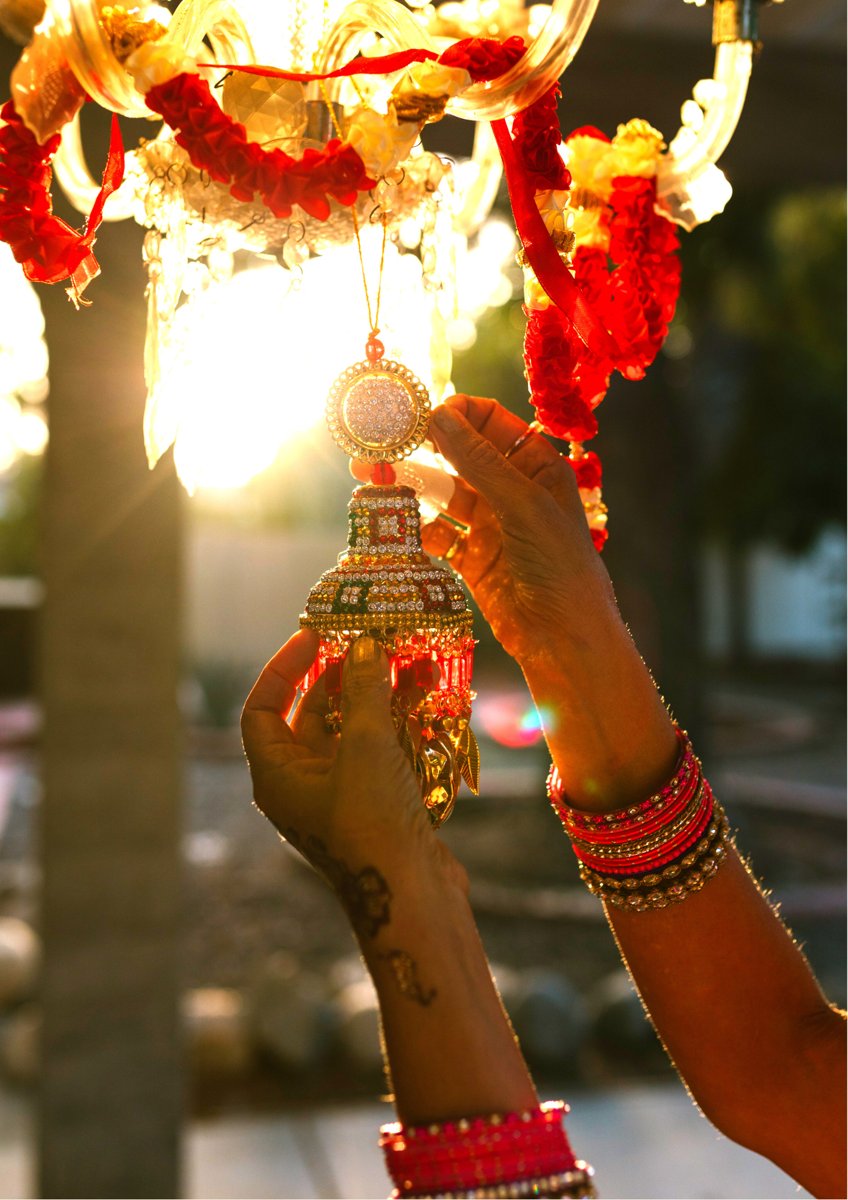
Take shoes off at the door, dress modestly, and ask before taking photographs. IVT's hours are short sessions, so check the day's times, and on festival days expect queues: on Deepavali (Sunday 8 November 2026) the temple's Sunday hours apply. Temple programmes for Diwali, Janmashtami and Ganesh Chaturthi are posted a few weeks ahead, and the Dublin events listed on Namaste Community include them when organisers post.
Every temple and gurdwara in Ireland, with addresses and hours →
Hindu temples and gurdwaras near Dublin
From the Namaste Community directory, nearest to the centre first.
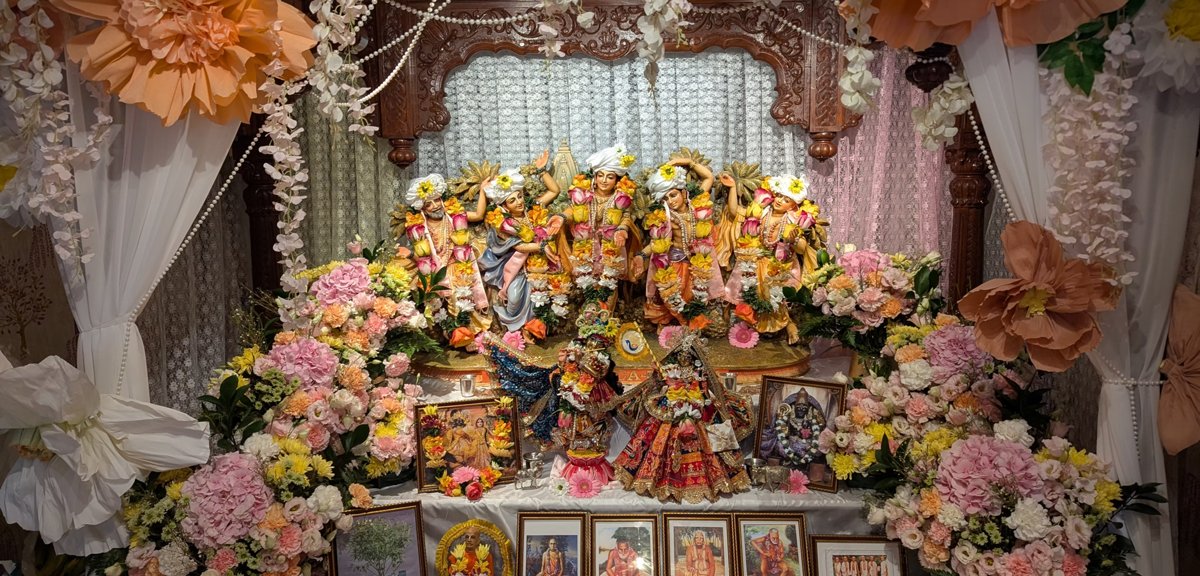
ISKCON Dublin
Temples & gurdwaras · Dublin
Gurudwara-Dublin-Sikh Temple
Temples & gurdwaras · Dublin
12.Associations, business networks and classes
Correct or addContents ↑Dublin's Indian community organises through regional and professional associations, the temples and the gurdwara. The ones this guide could confirm:
- Ireland India Council. A body that connects Irish and Indian businesses and runs cultural and educational events, and that, in partnership with Dublin City Council, has held the civic Diwali – Festival of Lights in Dublin since 2008. For the Diwali gala every guest needs a ticket, children included. In October 2025 the Lord Mayor hosted Diwali at the Mansion House. It is the first call for founders and professionals who want an introduction on either side.
- Malayalee Indians Ireland (MIND). A voluntary group founded in February 2008 for Malayalee Indians in Dublin and beyond. It organises cricket and badminton tournaments, family tours and days, children's competitions, and celebrations of Thiruvonam, Christmas and New Year, and has been a member of the New Communities Partnership since 2015.
- New Communities Partnership (NCP). An umbrella body for migrant organisations that offers a citizenship application support service, a migrant family support service and employment training. It is a practical contact at the five-year mark, when you apply for naturalisation (see the jobs guide).
- Bihar Jharkhand Association of Ireland. Keeps Chhath Mahaparv in Dublin at a lakeside or riverbank arranged with the council.
- The temples and the gurdwara. ISKCON, VHCCI, IVT and the gurdwara all run regular programmes, and ISKCON and the gurdwara publish children's activities.
For mother-tongue classes, Bharatanatyam, Carnatic music, cricket coaching or a Telugu or Marathi mandal, ask in the Dublin groups; many small associations exist only on social media, and this guide has named only those whose own pages it could read. Professionals keep up through the employee networks inside the multinationals and their LinkedIn groups, which the jobs guide describes.
MIND's tournaments are one way into cricket and badminton, which the community plays across the year; the temples and the gurdwara are the other, and the only one that needs no sign-up.
13.The festival year in Dublin, 2026
Correct or addContents ↑Dublin's Indian festivals are kept by the temples and the associations, in hired halls and community centres more often than in public squares, and few have a fixed date until a few weeks before. Holi, Vaisakhi, Onam, Ganesh Chaturthi and the rest of the year's calendar are marked by the temples, the gurdwara and the regional associations, and this guide lists no 2026 date that an organiser had not posted. What follows is what had been posted on 23 October 2026; the live listings under this section and the Dublin events page carry what is added later, and the Diwali page for Dublin gathers the Diwali events in one place.
| Festival | When | Where | Organiser |
|---|---|---|---|
| Navaratri and Dussehra | Sunday 11 to Tuesday 20 October 2026 | Ireland Vinayaka Temple, Kingswood (Golu displays, Vijaya Dasami programme) | The temple |
| OG South Indian Night, Diwali Edition | Friday 6 November | Soho, D'Olier Street | The promoters |
| FITOOR Dublin Diwali | Saturday 7 November, 23:00–03:00 (over-18s, photo ID) | Wigwam, 54 Middle Abbey Street | The promoter |
| Diwali | Sunday 8 November | Temples in Kingswood, Walkinstown and Middle Abbey Street; homes | — |
| VHCCI Diwali – Festival of Lights | Saturday 14 November, 14:00–21:00 | National Basketball Arena, Tymon Lane, Dublin 24 | Vedic Hindu Cultural Centre Ireland (tickets on Ticket Tailor) |
| Chhath | About a week after Diwali; the association posts the day | A lake or river edge arranged with the council | Bihar Jharkhand Association of Ireland |
| Civic Diwali – Festival of Lights | No 2026 date announced | Held since 2008; the Mansion House in 2025 | Ireland India Council with Dublin City Council |
Diwali in Dublin, explained
Diwali falls on Sunday 8 November 2026. It is not a public holiday in Ireland (the October bank holiday, Monday 26 October, comes two weeks earlier), so celebrations land on the weekends around it. The club nights come first, on 6 and 7 November. On the day itself, families go to the temples — the Ireland Vinayaka Temple opens for Deepavali darshan in its Sunday hours — and then home to diyas and dinner. The largest community event is VHCCI's Festival of Lights at the National Basketball Arena on Saturday 14 November, billed with music, performances, Indian food stalls, a DJ and fireworks. The civic Diwali with Dublin City Council has no 2026 date yet.
Fireworks and crackers
Do not burst crackers in Dublin. Fireworks are treated as explosives, and the only exception Gardaí describe is a professionally organised display held under a permit. They say that possessing unlicensed fireworks with intent to sell or supply, igniting them, or throwing a lit firework at a person or property can bring a fine of up to €10,000, five years in prison or both (party poppers and sparklers are classed as low-hazard), and they seize fireworks before Halloween, when the season peaks. Light diyas and candles at home, and watch the professional shows. Clocks go back on Sunday 25 October, so the evenings of Diwali week are dark by about 17:00.
The events posted near Dublin on Namaste Community appear below as they are added.
Coming up in Dublin
Every event →- NOV15
Raja Yoga Meditation - introductory course (Hindi and English)
Sun, 15 Nov 2026, 10:00–11:00
Brahma Kumaris Ireland
🙏 ReligiousFree - NOV15
BAPS Ireland - Diwali & Annakut Utsav 2026
Sun, 15 Nov 2026, 12:30–16:30
Hansfield Educate Together NS
🙏 Religious - NOV15
Sunday Bhakti Yoga Meetup & Feast
Sun, 15 Nov 2026, 14:00
Govinda's Bhakti Yoga Center
🙏 ReligiousFree - NOV15
Aadi Anant (Marathi film premiere)
Sun, 15 Nov 2026, 14:45
IMC Dun Laoghaire
🎭 Cultural - NOV17
Let's Learn Hindi Dublin- Beginners Free Online Demo class
Tue, 17 Nov 2026, 16:30–17:00
On-line
📚 Education - NOV17
W.B.Yeats - The Secret Influence of Indian Art
Tue, 17 Nov 2026, 18:30–19:30
Ballyroan Library
📚 EducationFree


14.WhatsApp groups, and finding your people on Namaste Community
Correct or addContents ↑Indian Dublin runs on WhatsApp. There is a group for every temple's volunteers, every Dublin 15 estate's parents, every hospital's newcomers, every Telugu, Tamil, Malayalee and Punjabi association, every cricket team, the Sandyford commuters and the Lucan renters, and Facebook groups that people join to ask for the links. This page does not pretend otherwise; the groups are how the community has organised itself for years.
What the groups are good at, and what they are not
They are fast and generous. Ask at nine in the evening which GP near Blanchardstown is taking patients, or whether the Luas is running on Sunday, and someone answers before ten. But you need to know someone to be added, the links that circulate are often dead, and the live ones are where the "room in Tallaght, send the deposit today" and "guaranteed Irish job, pay the agent first" messages start. A group with a thousand members has nobody checking who joined, the same questions about the PPS number and the Leap Card are asked every month and the answers scroll away, every member can see your phone number, and a group does not know where you live: a flat in Cork and a garba night in Dublin arrive with the same weight as the one around the corner.
What Namaste Community offers
Namaste Community is a community platform for Indians abroad, on the web and as an app. The app has groups, events and a directory, and it has Ask, where members answer each other's questions; anonymous mode exists. On the website: - the local groups for this city are listed at /groups/in/ireland/dublin, moderated and tied to a place, with the ones near Dublin under this section; - the events near Dublin — temple programmes, Diwali nights, association days — are on the Dublin events page; - the directory lists the grocers, restaurants, temples and services in Ireland, and businesses can add themselves; - in Ask, members put questions about paperwork, housing, schools and where to find a good dosa, and people who have been there answer.
Your first week, practically
- Find the group for your area or language on the Dublin groups page and read before you post; the Leap Card and GP-list questions are usually answered already.
- Pick one event in the next fortnight from the events page. It is the fastest way from "the Indian community in Dublin" as a phrase to three people whose names you know.
- Ask the question you actually have, and say where you live: the answer for Lucan, Swords and Sandyford is rarely the same.
- Never send a deposit, a passport scan or a fee to someone you met in a group without meeting them and checking who they are.
- When you have found your flat, your GP and your grocer, leave a review or an answer for the next person from Hyderabad, Kochi or Ludhiana.
If the group you need does not exist yet — Kannada parents in Citywest, a Telugu cricket team in Swords, nurses at Tallaght University Hospital — start it, so the next person searching finds it here.
Groups in Dublin
All groups →🇮🇪 Ireland-wide
For Indians and expats living in Ireland.
16 members
15.Pakistani, Bangladeshi, Nepali and Sri Lankan neighbours in Dublin
Correct or addContents ↑Indian Dublin lives beside other South Asian communities, on the same streets, in the same hospitals and offices, and under the same rent rules. Everything about registration, rents, the Leap Card, health and schools on this page applies identically to all of them; the differences are the embassy, the festival calendar and the shop.
The census gives national counts of citizens, not Dublin ones, for the smaller groups. In April 2022 Ireland had 9,309 Pakistani citizens, 1,722 Bangladeshi citizens, 671 Nepali citizens and 489 Sri Lankan citizens, beside 45,449 Indian citizens. The wider "Indian/Pakistani/Bangladeshi" ethnic box is why the CSO's ethnic counts cannot be split by country: 94,434 people ticked it, of whom 42,687 held Indian citizenship, 30,612 Irish citizenship, 8,374 Pakistani citizenship and 1,510 Bangladeshi citizenship. In Dublin city and suburbs the box was ticked by 40,990 people, and in places such as Saggart (7.0%) and Newcastle (5.6%) it is a visible share of the local population.
Language at home is the better guide to Dublin. In County Dublin the census counted 6,908 Urdu speakers (16,307 in the State), 2,457 Bengali speakers (6,245), 703 Pashto speakers and 512 Nepali speakers (1,001), beside the Indian languages in the community section. The Urdu and Bengali counts take in Indian Muslims and West Bengal's families as well as Pakistanis and Bangladeshis.
In practice the shared ground is the same as for Indians: Moore Street and Parnell Street for shopping, the hospitals and the IFSC for work, and the same Dublin 15 and Tallaght estates. Urdu and Punjabi cross the border, halal butchers serve all South Asian kitchens, and Pakistan's Independence Day on 14 August falls the day before India's. Nepali families keep Dashain and Tihar, and share Tihar's lights with their Indian neighbours' Diwali, and Bengali Hindu families from both sides of the border share Durga Puja. Whatever is argued about at home, the business of settling — a landlord, a GP, a school place — is the same, and the anti-racism reporting channels described under safety serve everyone.
16.The Indian embassy, help lines and staying safe
Correct or addContents ↑Consular services
India's mission for Ireland is the Embassy of India in Dublin. Its passport-renewal page gives the address for document submission as 69 Merrion Road, Ballsbridge, Dublin 4 and says documents are accepted on weekdays from 9:30 to 12:00 noon, except holidays, with a self-addressed registered envelope needed for postal return. We could not open the embassy's site directly on 23 October 2026, so these details come from its pages as they appear in search results and may be out of date: one page still mentions the old GNIB card. An embassy notice shown on its site in September 2025 says passport and police-clearance applications are made through the Ministry of External Affairs' mPassport portal from 3 September 2025, and that passport photographs must meet ICAO standards from 1 September 2025. We found no outsourced visa or passport centre for Ireland named on the pages we could read, so confirm on the embassy's website whether you send papers to the embassy or to a partner before you post your passport. Fees and processes change; check the official page on the day.
Help lines
- 999 or 112 for police, fire and ambulance.
- Citizens Information, 0818 07 4000, for rights and entitlements, and the local Citizens Information Centre.
- The Residential Tenancies Board for rent, repairs and evictions, and the Workplace Relations Commission for pay and hours disputes.
- The Embassy of India, through its website, for Indian citizens in an emergency.
Staying safe, honestly
Dublin has the petty crime of any large European capital — phone and bicycle theft in particular — but the community has to take one subject seriously. On 19 July 2025 a man in his 40s, originally from India, was beaten by a group of young men in Tallaght and partly stripped; Gardaí investigated it as a possible hate crime, and the attackers had falsely accused him of acting inappropriately around children, a claim then shared online, including by far-right and anti-immigrant accounts. On 1 August 2025 the Embassy of India issued an advisory saying there had been an increase in physical attacks on Indian citizens in Ireland and urging people to take reasonable precautions and avoid deserted areas, especially at odd hours. In August 2025 the Tánaiste, Simon Harris, met representatives of the Indian community in Dublin and condemned the "despicable acts of violence and racism". We found no newer advisory in October 2026. In practice, travel in company after dark where you can, report any attack or abuse to the Gardaí, and report racism that is not an emergency through iReport.ie, run by the Irish Network Against Racism, which records it confidentially.
The dangers that hurt more newcomers than assault are financial, and they are the same as in the jobs guide: a "guaranteed" job or permit sold by an agent, a cheap flat that needs a deposit before a viewing, and telephone scams in which a caller claims to be from immigration. ISD has published notices about scam calls. See the jobs guide.
The weather, and what to read next
Dublin's climate is mild and wet. It rarely snows heavily, but winter days are short, with sunset before 16:30 in December, and a waterproof jacket matters more than a heavy coat. The permits, stamps and take-home pay are in the jobs guide; the country's other cities and the events, groups and businesses are on the Indians in Ireland page; and the Indian businesses near you are in the Ireland directory.
Questions people ask
- How many Indians live in Dublin?
- About 23,700 Indian nationals live in County Dublin: 23,725 at the 2022 census (CSO), of whom 10,308 are in the Dublin City Council area, 4,958 in Dún Laoghaire–Rathdown, 4,450 in South Dublin and 4,009 in Fingal. That is the figure for a wider area than the city, and 52% of the 45,449 Indian nationals in Ireland. It counts Indian citizens only; anyone who also holds Irish citizenship is counted as Irish. On the ethnic-group question, 40,990 people in Dublin city and suburbs ticked “Indian/Pakistani/Bangladeshi”.
- Where do most Indians live in Dublin?
- Across the suburbs rather than in one district. By Indian citizens in the 2022 census: the North Inner City (2,526), Glencullen–Sandyford (1,917, the highest share of residents at 4.0%), Lucan (1,643, with the most India-born residents, 2,918), then the south-east and south-west inner city, Pembroke, Blanchardstown–Mulhuddart (1,053, plus Ongar and Castleknock in Dublin 15), Dún Laoghaire, Swords and Tallaght. Citywest’s Saggart has a 7.0% Indian/Pakistani/Bangladeshi share.
- Which Indian languages are spoken in Dublin?
- At the 2022 census, the languages spoken at home in County Dublin included Malayalam (9,817 speakers), Hindi (8,895), Urdu (6,908), Tamil (3,063), Bengali (2,457), Telugu (1,932), Punjabi (1,201) and Nepali (512). These count speakers of any citizenship, so Urdu and Bengali include Pakistani and Bangladeshi speakers. Malayalam is most spoken in Fingal and South Dublin; Hindi in Dublin City and Dún Laoghaire–Rathdown.
- What is the average rent in Dublin in 2026, and how do rent increases work?
- The ESRI/RTB Rent Index for the first quarter of 2026 puts the standardised average rent in new tenancies in County Dublin at €2,335 a month, up 7.8% in a year, and in existing tenancies at €1,960. Daft.ie’s second-quarter 2026 asking rents were €2,042 for a one-bedroom apartment, €2,634 for a two-bedroom and €896 for a double room in a house with no en-suite. Since 1 March 2026 a national system replaced the Rent Pressure Zones: for new tenancies rent can rise once a year by 2% or inflation if lower, and a landlord can reset to market rent only when a new tenancy begins in specific cases or after a six-year cycle. Every tenancy must be registered with the RTB.
- Where do I register with immigration in Dublin, and what does it cost?
- All first-time registrations are in person at the Immigration Service Delivery Registration Office, 13–14 Burgh Quay, Dublin 2, booked through the ISD online portal, within the 90 days your landing stamp allows. The fee for the Irish Residence Permit is €300 per adult, children under 18 pay nothing, and Citizens Information says appointments are normally available within two to three weeks. Create the portal account before you fly.
- How much is a bus or Luas fare in Dublin in 2026?
- With a TFI Leap Card, the TFI 90 Minute Fare is €2.00 for an adult (€1.00 for a young adult aged 19–25 or a student, €0.65 for a child) across Dublin Bus, Go-Ahead Ireland, Luas and DART within Zone 1. A short bus fare is €1.50, and Leap fares are capped at €6.00 a day and €24.00 a week for adults. Express and Nitelink buses cost €2.40. Cash fares are €2.00 for a short journey and €2.60 for a long one.
- How do I see a GP in Dublin, and do I need private health insurance?
- Register with a GP near your home; many practices have closed their lists, so ask early. Without a medical card or GP visit card a visit typically costs about €50, a child under 8 qualifies for a GP visit card with no means test, and the Drugs Payment Scheme covers medicines above €80 a month. A hospital emergency department costs €100 without a GP referral unless you hold a medical card or are admitted. Private insurance is not compulsory, but if you are 35 or older, lifetime community rating adds 2% a year for every year over 34, up to 70% — and nothing if you buy within nine months of becoming resident.
- When is Diwali 2026 in Dublin, and where are the celebrations?
- Diwali is Sunday 8 November 2026 and is not a public holiday. Families go to the temples in Kingswood, Walkinstown and Middle Abbey Street on the day. The Vedic Hindu Cultural Centre Ireland’s Diwali Festival of Lights is at the National Basketball Arena in Tymon, Dublin 24, on Saturday 14 November, 14:00–21:00, with tickets on Ticket Tailor. Club nights are at Soho on Friday 6 November and Wigwam on Saturday 7 November. The Ireland India Council’s civic Diwali has no 2026 date yet; in 2025 the Lord Mayor hosted it at the Mansion House.
- Can I set off fireworks or crackers for Diwali in Dublin?
- No. Gardaí say the only exception is a professionally organised display held under a permit, and that possessing unlicensed fireworks with intent to sell or supply, igniting them, or throwing a lit firework at a person or property can bring a fine of up to €10,000, five years in prison or both. Party poppers and sparklers are classed as low-hazard. Gardaí seize fireworks before Halloween. Light diyas and candles instead.
- Which Hindu temples and gurdwara are in Dublin?
- The Ireland Vinayaka Temple in the Kingswood Community Centre on Sylvan Drive, Dublin 24 (five minutes from the Kingswood Luas stop); the Vedic Hindu Cultural Centre Ireland’s temple in Walkinstown, Dublin 12, opened in 2020 as Ireland’s first; ISKCON Dublin at 83 Middle Abbey Street, Dublin 1, open daily 12:00–20:00; and the Gurdwara Guru Nanak Darbar at 78 Serpentine Avenue, Ballsbridge, Dublin 4, which calls itself the only gurdwara in the Republic.
- Where can I buy Indian groceries in Dublin?
- Dublin’s Indian grocers are spread through the suburbs — Dublin 15, Tallaght and the Sandyford area — rather than on one street. In the city centre, Moore Street and Parnell Street are the pan-Asian shopping area, though we could not verify which shops stock Indian staples, and Asia Market (asiamarket.ie) sells an Indian range online with delivery. The Namaste directory for Ireland lists grocers members have added; call before you travel, because small shops change hands often.
- Where is the Indian embassy in Dublin, and how do I renew my passport?
- The Embassy of India’s passport-renewal page gives 69 Merrion Road, Ballsbridge, Dublin 4 as the address for submitting documents, on weekdays from 9:30 to 12:00 noon. An embassy notice says that from 3 September 2025 passport and police-clearance applications go through the Ministry of External Affairs’ mPassport portal. We could not open the embassy’s site directly or find an outsourced centre for Ireland, so confirm the current process, fees and photo rules on the embassy’s website before sending anything.
- How do school applications work in Dublin?
- There is no central application: each school publishes its own admission policy and an annual admission notice with its places and dates, at least a week before it starts accepting applications. Moyle Park College in Clondalkin, for example, took first-year applications for 2027–28 from 5 to 23 October 2026. Apply to several schools early, since oversubscribed schools use their published criteria and cannot rank applicants simply by when they applied. Educate Together schools are state-funded and equality-based, and have their own policies.
- Is Dublin safe for Indians?
- Dublin has the petty crime of any large capital, and there is a documented risk of racist attacks. A man from India was assaulted in Tallaght on 19 July 2025 in what Gardaí investigated as a possible hate crime, the Embassy of India advised citizens on 1 August 2025 to take reasonable precautions and avoid deserted areas at odd hours, and the Tánaiste condemned the attacks in August 2025. We found no newer advisory in October 2026. Report any attack to the Gardaí (999 or 112 in an emergency) and racism to iReport.ie.
Sources
The official pages this guide was checked against on October 23, 2026. When they and this page disagree, they win.
- Vedic Hindu Cultural Centre Ireland — address and visiting hourswww.hindu.ie/
- CSO — Census 2022 table F5002: population by citizenship, county and agedata.cso.ie/table/F5002
- CSO — Small Area Population Statistics 2022, birthplace and citizenship by local electoral areadata.cso.ie/table/SAP2022T2T1LEA22
- CSO — Small Area Population Statistics 2022, birthplace and citizenship by towndata.cso.ie/table/SAP2022T2T1TOWN22
- CSO — Census 2022 table F5082: ethnic or cultural background by towndata.cso.ie/table/F5082
- CSO — Census 2022 table F5083: ethnic or cultural background by citizenshipdata.cso.ie/table/F5083
- CSO — Census 2022 table F5008: religion by citizenshipdata.cso.ie/table/F5008
- CSO — Census 2022 table F5029: language spoken at home by countydata.cso.ie/table/F5029
- CSO — Census 2022 table F5065: non-Irish citizens by country of citizenshipdata.cso.ie/table/F5065
- CSO — Census 2022 Profile 5 press statement (ethnicity, religion, citizenship, arrivals from India)www.cso.ie/en/csolatestnews/pressreleases/2023pressreleases/pressstatementcensus2022resultsprofile5-diversitymigrationethnicityirishtravellersreligion/
- ESRI/RTB — The RTB Rent Index, Q1 2026esri.ie/publications/the-rtb-rent-index-q1-2026
- ESRI/RTB — Rent Index Q1 2026 (full report, PDF)www.esri.ie/system/files/publications/RI2026Q1.pdf
- Daft.ie — Rental Report, second quarter of 2026www.daft.ie/report/rental/2026-q2-rentalprice-daftreport.pdf
- Residential Tenancies Board — Rental law changes from 1 March 2026rtb.ie/renting/rental-law-changes-from-1-march/
- Citizens Information — Registration of non-EEA nationals (IRP, Burgh Quay, €300)www.citizensinformation.ie/en/moving-country/moving-to-ireland/rights-of-residence-in-ireland/registration-of-non-eea-nationals-in-ireland/
- ISD — Transfer of all first-time registrations to Burgh Quay from 13 January 2025www.irishimmigration.ie/transfer-of-responsibility-for-irish-immigration-residence-permission-for-all-remaining-counties-to-immigration-service-delivery-isd-of-the-department-of-justice/
- ISD — Information on online renewal timelines (30 June 2026)www.irishimmigration.ie/information-on-online-renewal-timelines/
- ISD — Scam calls: renewed notificationwww.irishimmigration.ie/scam-calls-renewed-notification/
- Citizens Information — Personal Public Service (PPS) numberwww.citizensinformation.ie/en/social-welfare/irish-social-welfare-system/personal-public-service-number/
- Dublin.ie — Opening bank and credit union accountsdublin.ie/live/getting-settled/bank-credit-union-accounts/
- Dublin.ie — The cost of living in Dublindublin.ie/live/getting-settled/cost-of-living/
- Dublin.ie — Public and private healthcare in Irelanddublin.ie/live/getting-settled/healthcare-insurance/
- Dublin.ie — The school system in Irelanddublin.ie/live/getting-settled/schools-education/
- TFI — TFI 90 Minute Farewww.transportforireland.ie/fares/leap-card/tfi-90-minute-fare/
- TFI — Bus fares and Dublin fare capping (Zone 1)www.transportforireland.ie/fares/bus-fares/
- TFI — Fareswww.transportforireland.ie/fares/
- NDLS — Holders of foreign licencesndls.ie/holders-of-foreign-licences.html
- Numbeo — Cost of living in Dublin (updated 22 October 2026)www.numbeo.com/cost-of-living/in/Dublin
- HSE — Drugs Payment Schemewww2.hse.ie/services/schemes-allowances/drugs-payment-scheme/
- Citizens Information — GP visit cardswww.citizensinformation.ie/en/health/medical-cards-and-gp-visit-cards/gp-visit-cards/
- Beaumont Hospital — Information on hospital chargeswww.beaumont.ie/node/806
- Health Insurance Authority — Lifetime Community Ratingwww.hia.ie/consumer-information/lifetime-community-rating-lcr
- Early Childhood Ireland — National Childcare Scheme explainer 2026www.earlychildhoodireland.ie/wp-content/uploads/2026/01/Explainers_NCS_2026.pdf
- Moyle Park College, Clondalkin — Annual Admission Notice for 2027/2028moyleparkcollege.ie/wp-content/uploads/2024/09/2027-2028-Annual-Admission-Notice-.pdf
- gov.ie — School admissions and enrolmentwww.gov.ie/en/policy-information/c5bd9f-school-enrolment
- Educate Together — equality-based schoolswww.educatetogether.ie/schools/
- ISKCON Dublin — temple hours, address and New Temple Projectiskcondublin.com
- Ireland Vinayaka Temple — hours and Navaratri 2026 programmeivt.ie/
- Ireland Vinayaka Temple — Visit us and contact (Kingswood Community Centre)ivt.ie/visitus.html
- The Journal — Ireland’s first Hindu temple opens in Walkinstown (22 August 2020)www.thejournal.ie/hindu-temple-dublin-walkinstown-first-opens-5181995-Aug2020/
- Ticket Tailor — VHCCI Diwali Festival of Lights, 14 November 2026www.tickettailor.com/events/vhcci/2445753
- Gurdwara Guru Nanak Darbar, Dublin — home, address and contactgurunanakdarbar.ie/
- Gurdwara Guru Nanak Darbar, Dublin — history of the buildinggurunanakdarbar.ie/aboutus
- Ireland India Council — Diwali, Festival of Lights: a civic celebrationirelandindiacouncil.ie/diwali/
- Ireland India Council — about the councilirelandindiacouncil.ie/
- New Communities Partnership — Malayalee Indians Ireland (MIND)www.newcommunities.ie/about/members/malayalle-indians-ireland-mind/
- Dublin People — Mansion House civic Diwali celebration (21 October 2025)dublinpeople.com/news/dublin/articles/2025/10/21/diwali-mansion-house/
- Dublin.ie — Diwali, Festival of Lights: the civic celebrationdublin.ie/whats-on/listings/diwali-festival-of-lights-a-civic-celebration/
- Donegal Live — Gardaí warn of fines of up to €10,000 and five years’ imprisonment for fireworkswww.donegallive.ie/news/gardai-warn-of-fines-of-up-to-eu10000-and-five-years-imprisonment-for-fireworks-7004963
- Irish Times — Gardaí have seized nearly 2,000 fireworks worth €347,000 in the last decade (5 October 2026)www.irishtimes.com/crime-law/2026/10/05/gardai-have-seized-nearly-2000-fireworks-worth-347000-in-last-decade/
- Embassy of India, Dublin — passport renewal (submission address and hours)www.indianembassydublin.gov.in/eoi.php?id=Renewal
- Embassy of India, Dublin — website (notices, visa and OCI pages)www.indianembassydublin.gov.in/page-link/?page=visa
- News On Air — Indian Embassy in Dublin issues advisory amid rising attacks on citizenswww.newsonair.gov.in/indian-embassy-in-dublin-issues-advisory-amid-rising-attacks-on-citizens-in-ireland/
- IANS — Ireland’s Deputy PM meets Indian community, condemns racist attacks (12 August 2025)ianslive.in/irelands-deputy-pm-meets-indian-community-condemns-racist-attacks--20250812135938
- iReport.ie — report racism confidentially (Irish Network Against Racism)www.ireport.ie/
- Irish Network Against Racisminar.ie/
- Wikipedia — Grand Canal Dock (Silicon Docks)en.wikipedia.org/wiki/Silicon_Docks
- TechCentral — TCS adds 80 jobs to its Irish workforce (office opened in Dublin in 2001)www.techcentral.ie/tcs-adds-80-jobs-to-irish-workforce/
- DETE — Employment permit statistics 2025 (by nationality, sector, county and company)enterprise.gov.ie/en/publications/employment-permit-statistics-2025.html
- DETE — Employment permit statistics 2026 (January to September)enterprise.gov.ie/en/publications/employment-permit-statistics-2026.html
- DETE — Critical Skills Employment Permit (thresholds, Stamp 4)enterprise.gov.ie/en/what-we-do/workplace-and-skills/employment-permits/permit-types/critical-skills-employment-permit/
- DETE — General Employment Permit (thresholds, labour market needs test)enterprise.gov.ie/en/what-we-do/workplace-and-skills/employment-permits/permit-types/general-employment-permit/
- CSO — Monthly Unemployment, September 2026www.cso.ie/en/releasesandpublications/ep/p-mue/monthlyunemploymentseptember2026/
- Morgan McKinley — Software engineer salaries, Dublin: 2026 salary guidewww.morganmckinley.com/ie/salary-guide/data/software-engineer/dublin
- Wikipedia — Moore Street (shops and markets)en.wikipedia.org/wiki/Moore_Street
- Wikipedia — Parnell Street (Dublin’s Asian shops and restaurants)en.wikipedia.org/wiki/Parnell_Street
- Asia Market — Indian pantry essentials and spiceswww.asiamarket.ie/
- Pickle Indian Restaurant, Camden Streetwww.picklerestaurant.ie
- Ananda Restaurant, Sandyford Road, Dundrumwww.anandarestaurant.ie
- Rasam Indian Restaurant, Glasthule Road, Dún Laoghairewww.rasam.ie
- Jaipur — Indian restaurants in Malahide and Dalkeywww.jaipur.ie
- MICHELIN Guide — Indian restaurants in the UK and Ireland (February 2025)guide.michelin.com/gb/en/article/features/indian-restaurants-in-the-uk-and-ireland
Your case is different? Ask people who’ve been through it
Members near you have dealt with this themselves. Ask under your name or anonymously — answers come by email.
Ask the community — freeEverything in Dublin that this page cannot keep current — events this week, groups near you, businesses with reviews — is in the app, ranked by distance.
Namaste Community — the Indian expat community, near you. Free to join, works in every country.