Making New Friends in Belgium
Asha MenonCommunity desk
Brussels · Belgium · March 7, 2024 · 3 min read
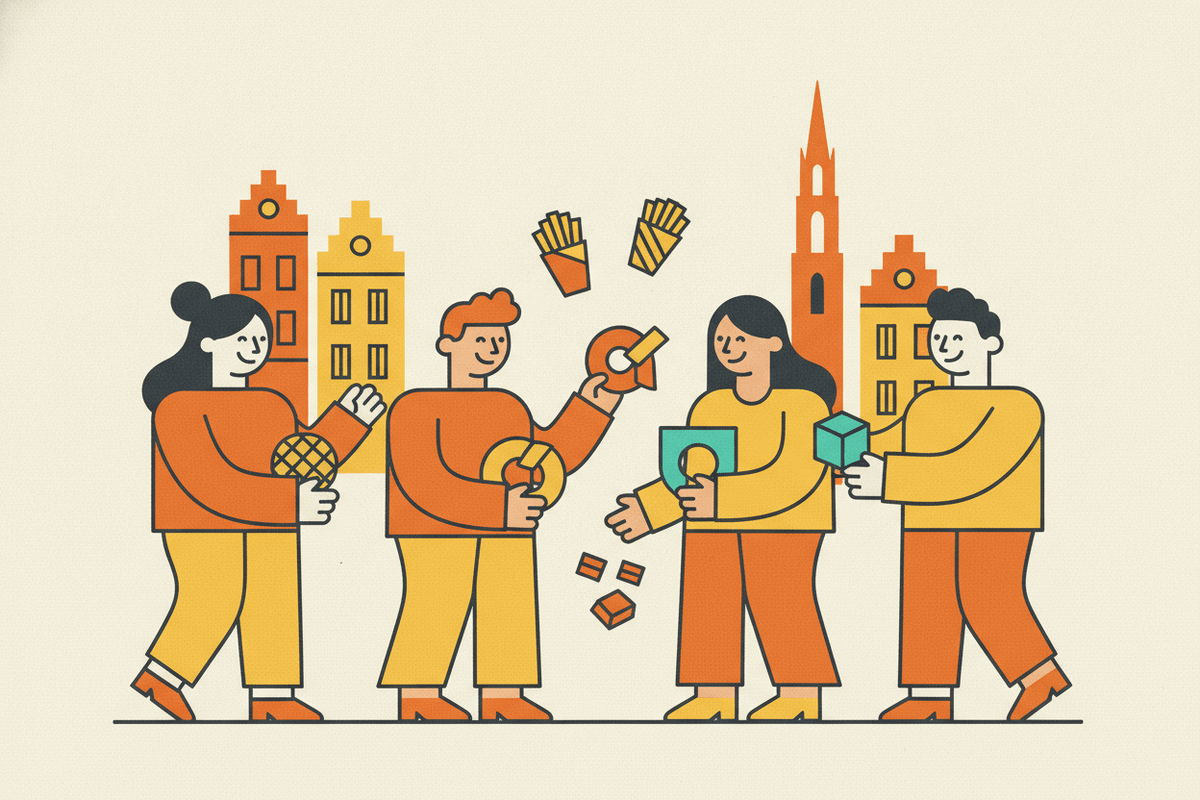
Belgium is a hard place to make friends by accident. Colleagues are friendly and go home; neighbours are polite and stay behind their doors. Everyone who has built a circle here did it deliberately, by turning up to the same thing repeatedly — which is the whole trick.
At a glance
Meetup, and the groups worth starting with
Meetup does more work here than anywhere else, because Brussels is full of people who also arrived recently and are also trying. Three that have worked well:
- Brussels Debaters — friendlier than it sounds, and the format means you actually talk to people rather than standing near them.
- Brussels Hiking — several hours walking beside strangers is the most efficient friendship machine yet invented.
- Table tennis — regular sessions around Montgomery, low commitment, easy to drop into.
Go to the same group three times before you judge it. The first visit you know nobody, the second somebody recognises you, and the third you get invited to something. Almost everyone who says “Meetup did not work for me” went once to four different groups instead of three times to one.
Language classes, which are also social
English gets you through the working day and no further. Dutch or French is what turns neighbours into people you know — and the classroom is itself one of the easiest places to meet people, because everybody there is a beginner at the same thing.
- CVO Brussel — heavily subsidised Dutch courses.
- Alliance Française — French, structured and well taught.
- BAPA — the Brussels reception programme for newcomers, which includes language and orientation and is designed for exactly this situation.
Sport, which needs no language at all
The great advantage of a badminton court is that nobody has to make conversation to be included. Local clubs such as Bad’Ton in Schaerbeek and the Brussels badminton meetup are cheap, regular and full of people in the same position.
The Indian community, and beyond it
There is a large and welcoming Indian diaspora here, and finding it early makes the first months much softer — festivals, cricket, food, and people who know which shop has the right dal. The Namaste Community app is where that community organises now.
Don’t let it be the only circle
It is genuinely comfortable and that is the risk. People who stay only inside the diaspora tend to be the ones still saying they cannot settle three years later. Keep one thing in your week — a class, a club, a choir — where you are the only Indian in the room.
What actually works
- Say yes for the first six months, to everything, including things you would decline at home.
- Be the one who organises. Everybody wants to be invited; almost nobody wants to send the message. Send the message.
- Use the office properly — Friday drinks and the lunch table are where most Belgian workplace friendships actually begin.
- Give it time. Belgian friendships form slowly and then last. Three to six months is normal before it stops feeling like work.
Written in 2024 from personal experience. Groups, schedules and venues change — check before you travel across town, and if a link here has gone stale, the current answer is usually in the Namaste Community app.
From our desk, not official advice
Written by the Namaste Community desk under our standing byline, from the questions this community asks most often — not a single person's own account. Rules change and offices differ — check anything that matters with the people who decide it.
Been through something too? Share itYour case is different? Ask people who’ve been through it
Members near you have dealt with social life themselves. Ask under your name or anonymously — answers come by email.
Ask the community — free